From a sunrise balloon over Luxor to a night in the White Desert: twelve genuine experiences across Egypt, where each one happens and a practical tip for every stop.
Egypt rewards travellers who plan a few experiences, not just a list of monuments. Here are twelve genuine things to do across Cairo, Luxor, Aswan, the Red Sea and the Western Desert, each with where it happens, why it is worth your time and one practical tip.
The 12 experiences at a glance
| Experience | Where | Best timing |
|---|---|---|
| Grand Egyptian Museum | Giza, Cairo | Daytime, allow half a day |
| Islamic Cairo and Khan el-Khalili | Historic Cairo | Morning or late afternoon |
| Pyramids Sound and Light Show | Giza Plateau | Evening |
| Hot-air balloon flight | Luxor West Bank | Sunrise |
| Valley of the Kings | Luxor West Bank | Early morning |
| Nile cruise or dahabiya | Between Luxor and Aswan | Several days |
| Felucca sail | Aswan | Late afternoon to sunset |
| Nubian village visit | Aswan West Bank | Afternoon |
| Abu Simbel temples | Near the southern border | Early morning |
| Red Sea snorkelling | Hurghada, Sharm El Sheikh | Full day |
| White Desert camp | Farafra depression | Overnight |
| Siwa Oasis | Far Western Desert | Three days or more |
1. See the complete Tutankhamun collection at the Grand Egyptian Museum
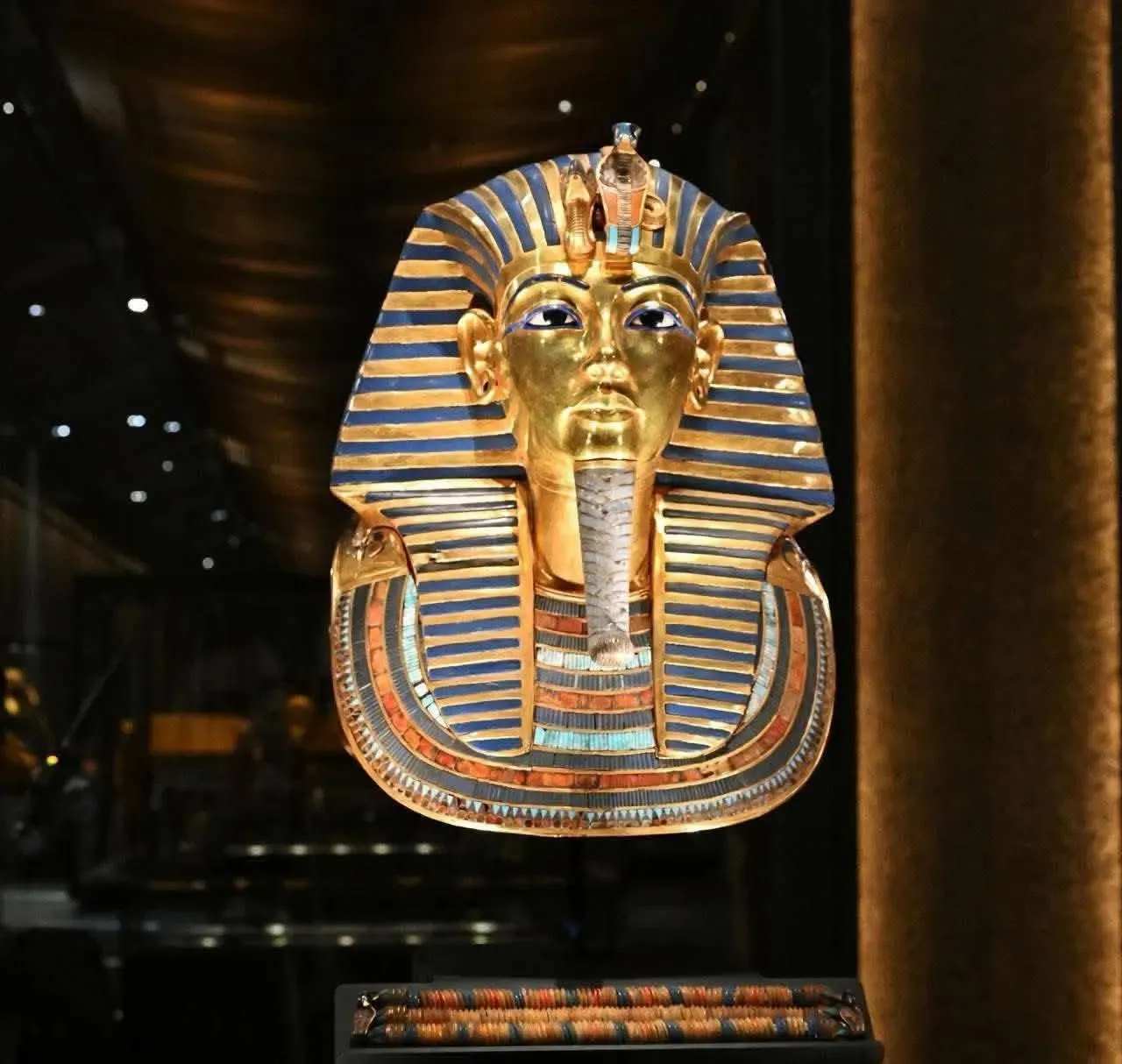
The Grand Egyptian Museum stands beside the Giza Plateau and officially opened on 1 November 2025. Its great draw is the Tutankhamun treasure, shown together in one place for the first time since the tomb was found in 1922, including the golden mask. You reach it past the colossal Ramses II in the atrium and up the Grand Staircase of royal statues.
Tip: the royal mummies are not here. They are in the Royal Mummies Gallery of the National Museum of Egyptian Civilization in Fustat, which displays 17 kings and 3 queens, so plan it as a separate visit. Our Tutankhamun guide to the Grand Egyptian Museum explains the galleries, and our Grand Egyptian Museum Tour gives you a private Egyptologist for the visit.
2. Walk Al-Muizz Street to Khan el-Khalili and Al-Azhar
Historic Cairo is on UNESCO's World Heritage List, and Al-Muizz Street is the best way into it. From the medieval gates of Bab al-Futuh and Bab al-Nasr you walk past mosques and madrasas to Khan el-Khalili, the old bazaar. Across the road is Al-Azhar Mosque, whose construction began soon after the Fatimid conquest of Egypt in 969, and which is still a working mosque and centre of learning.
Tip: dress with shoulders and knees covered, bring a scarf if you are a woman who wants to enter mosques, and expect to remove your shoes at the door. Avoid Friday midday prayers. Our Islamic Cairo walking tour covers the route, and our guide to dealing with street vendors helps in the bazaar.
3. Watch the Sound and Light Show at the Pyramids
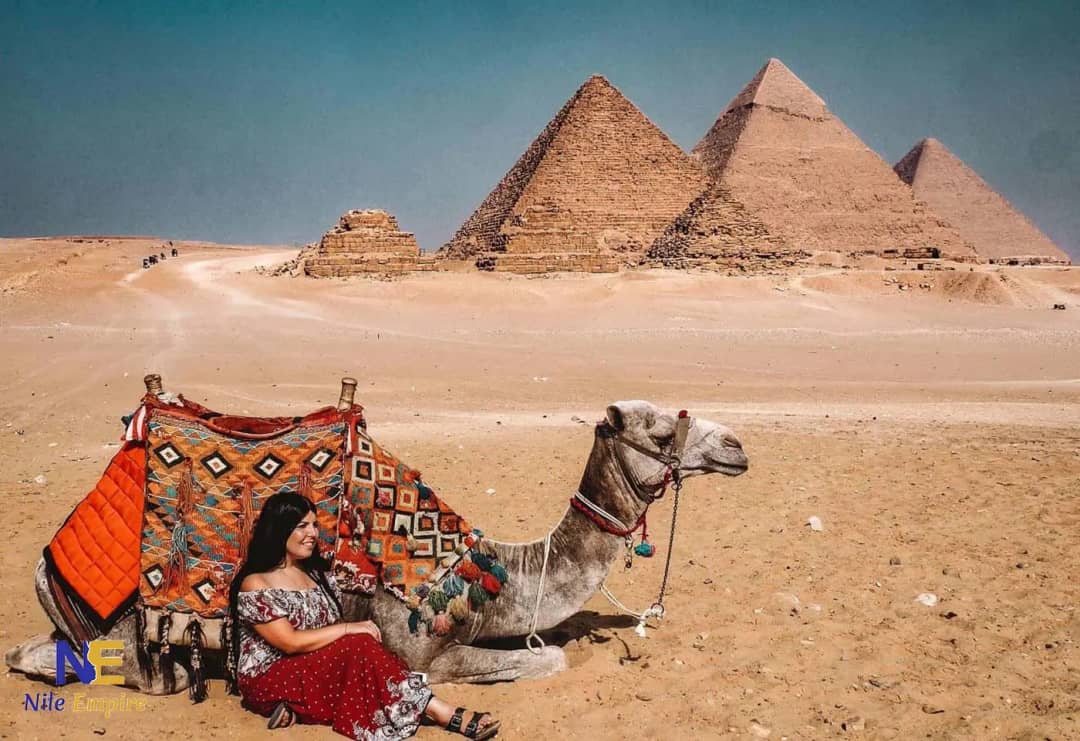
After dark the Giza Plateau becomes an open-air stage. Lights play across the pyramids of Khufu, Khafre and Menkaure while the Sphinx narrates their story.
Tip: the show runs in several languages on a schedule, so check which language plays on your date on the official Sound and Light website, which also notes that dates are subject to change. Similar shows run at Karnak, Philae, Edfu and Abu Simbel. Our Pyramids Sound and Light Show night tour includes the transfers.
4. Float over Luxor's West Bank in a hot-air balloon at sunrise
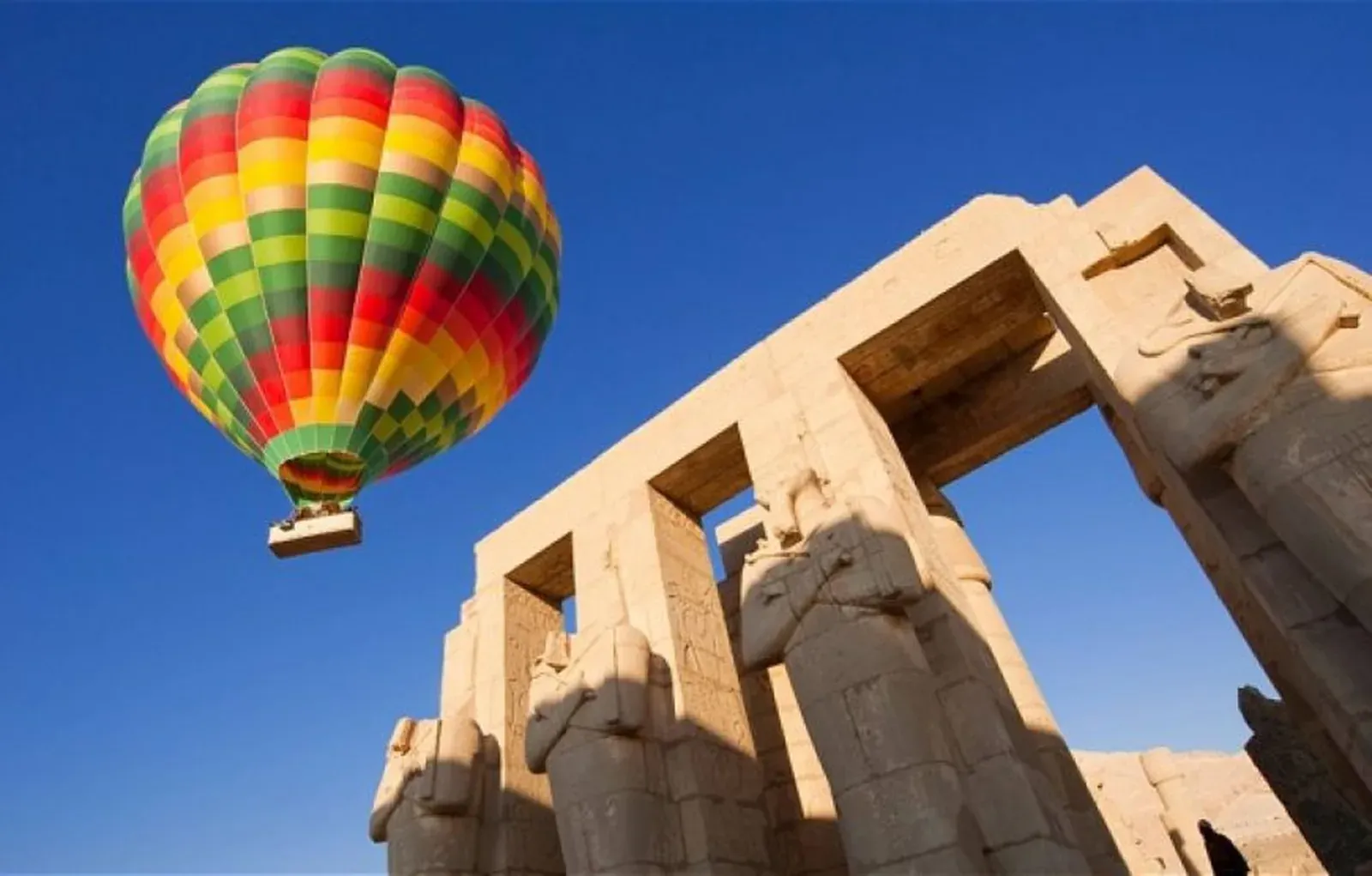
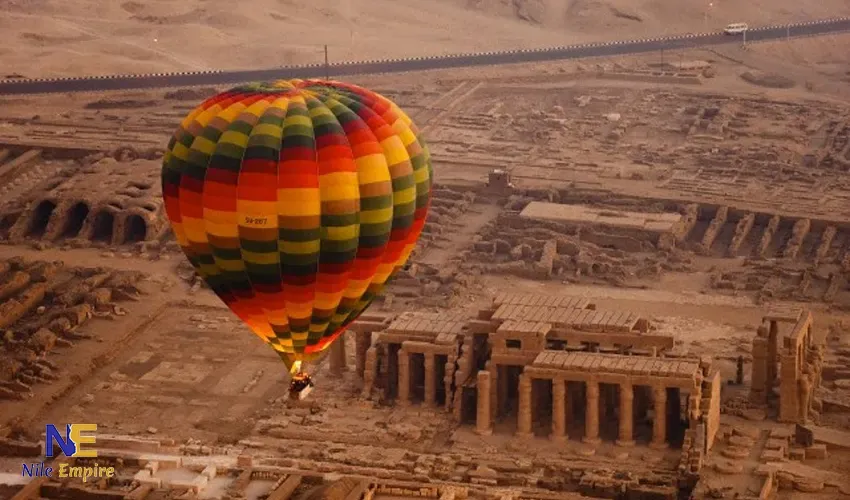
Luxor's balloons take off from the West Bank at first light. The route depends on conditions, but a sunrise flight can give broad views of the Nile, West Bank fields and Theban hills. Our listed Luxor balloon trip advertises a flight of about 45 minutes. From the air you see how temples, tombs and river fit together.
Tip: flights depend on the weather, so book an early morning in your Luxor stay and leave a spare day in case a flight is cancelled. Bring a warm layer, as early mornings can be chilly. Read our comparison of sunrise and sunset balloon flights and our guide to weight limits and safety.
5. Go inside the painted tombs of the Valley of the Kings
The pharaohs of the New Kingdom were buried in hidden tombs cut into a desert valley on Luxor's West Bank. The valley holds over sixty tombs, and the open ones have long corridors covered in painted scenes and texts meant to guide the king through the underworld.
Tip: the official ticket portal lists general Valley of the Kings admission and separate tickets for Tutankhamun and Seti I. Check which tombs general admission covers when you visit. Arrive when the site opens for cooler air and fewer people. See our Valley of the Kings guide and our Tomb of Seti I guide.
6. Travel between Luxor and Aswan on a Nile cruise or a dahabiya
Sailing between Luxor and Aswan links the two great temple cities with stops at Edfu and Kom Ombo. Most Luxor to Aswan cruises last four or five days. A dahabiya is a traditional sailing boat that carries a small number of guests, moves at a slower pace and can stop at quieter places along the river.
Tip: the season changes the experience a lot, from comfortable winter days to intense summer heat, so read our best time for a Nile cruise guide before choosing dates. Compare Luxor to Aswan Nile cruises and dahabiya Nile cruises.
7. Sail a felucca on the Nile in Aswan
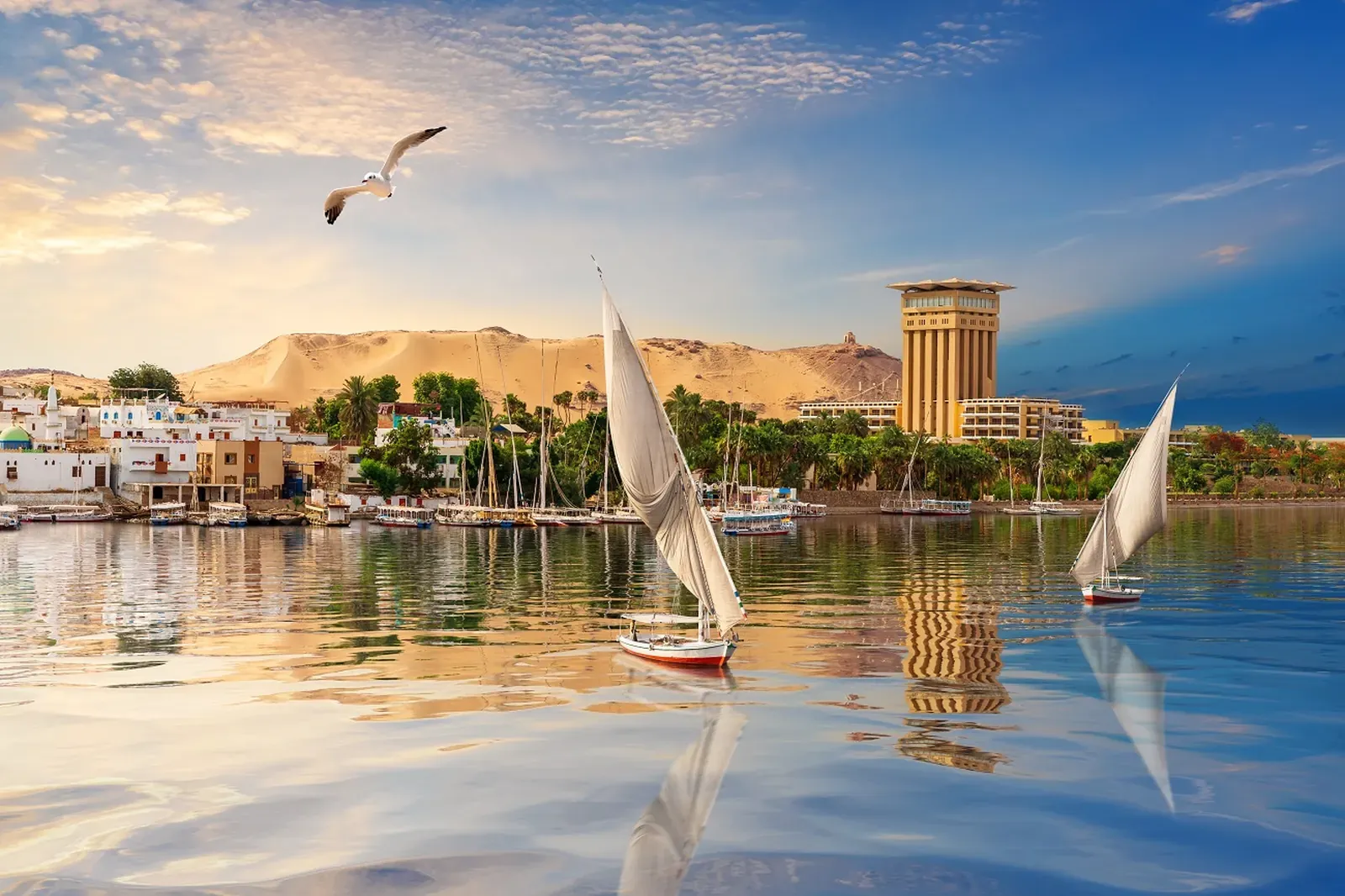
A felucca is a traditional wooden sailing boat with a tall sail. In Aswan a sail takes you past Elephantine Island and its ancient ruins, the golden dunes of the West Bank and the domed Mausoleum of the Aga Khan on the hillside. You can land at Kitchener's Island to walk through the Botanical Gardens.
Tip: late afternoon into sunset is the classic time, when the heat eases and the light turns gold. Morning sails are cooler and calmer. On a windless day the sailor uses oars or a gentle tow. Our Aswan felucca ride is private and includes hotel pickup; the Botanical Gardens entry is paid separately.
8. Visit a Nubian village on Aswan's West Bank
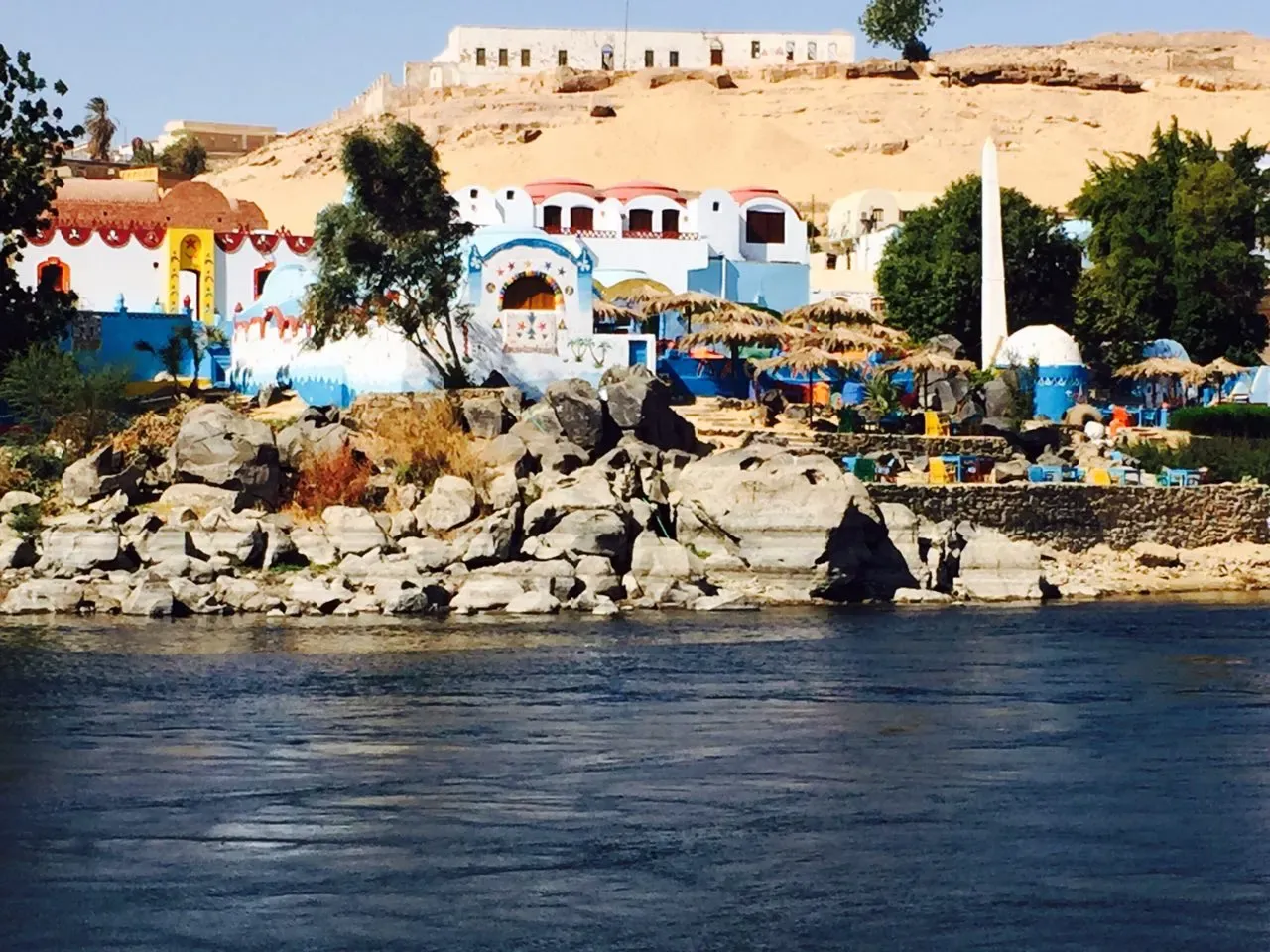
A boat ride from Aswan takes you to Nubian villages such as Gharb Soheil on the West Bank, with brightly painted houses and dunes rising behind them. It is a chance to meet a living culture with its own language, music and food, and a good balance to the temples.
Tip: these are people's homes, so ask before photographing anyone. Henna is offered independently by Nubian women in the village, and you arrange and pay for it with the artist directly. Read our Nubian village guide or see our Aswan Nubian Village Tour.
9. Stand before the colossi of Abu Simbel
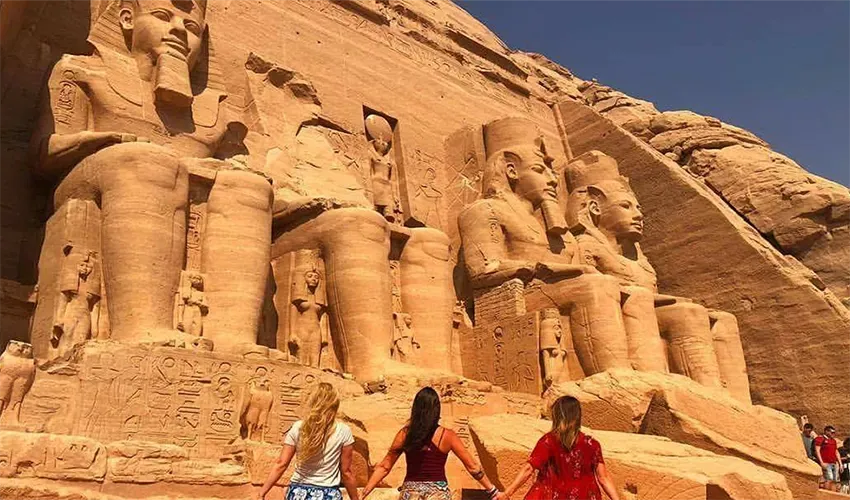
Near Egypt's southern border, Ramses II cut two temples into the rock: the Great Temple with its four seated colossi of the king, and the Small Temple dedicated to Hathor and Queen Nefertari, whose statues on the facade are the same size as her husband's, a very rare arrangement. Both temples were moved to higher ground in 1968, in an international effort led by UNESCO, to save them from the waters behind the Aswan High Dam.
Twice a year, on 22 February and 22 October, the rising sun shines deep into the Great Temple and lights the statues of Ramses II, Amun and Ra-Horakhty in the sanctuary, while Ptah stays in shadow. On 22 October 2025 the alignment lasted 22 minutes and drew about 4,000 visitors, according to Egypt's State Information Service.
Tip: the trip from Aswan is a long day, so leave early by road or take the short flight. For the festival mornings, book transport and rooms well in advance. See our Abu Simbel sun festival guide, our Egypt entrance fees guide for current tickets and our Abu Simbel private tour from Aswan.
10. Snorkel a Red Sea coral reef
You do not need to be a diver to see the Red Sea's coral. From Hurghada, snorkelling boats sail to the Giftun Islands, a protected national park, where reefs of coral and fish lie close to the surface. From Sharm El Sheikh, trips head to Ras Mohammed National Park at the tip of Sinai.
Tip: never stand on or touch the coral, and ask for a life jacket if you are not a confident swimmer. Our Hurghada snorkelling guide compares the reefs, and our Ras Mohammed guide covers Sharm El Sheikh. To go straight to a trip, see our Giftun Island snorkelling tour.
11. Spend a night among the chalk towers of the White Desert
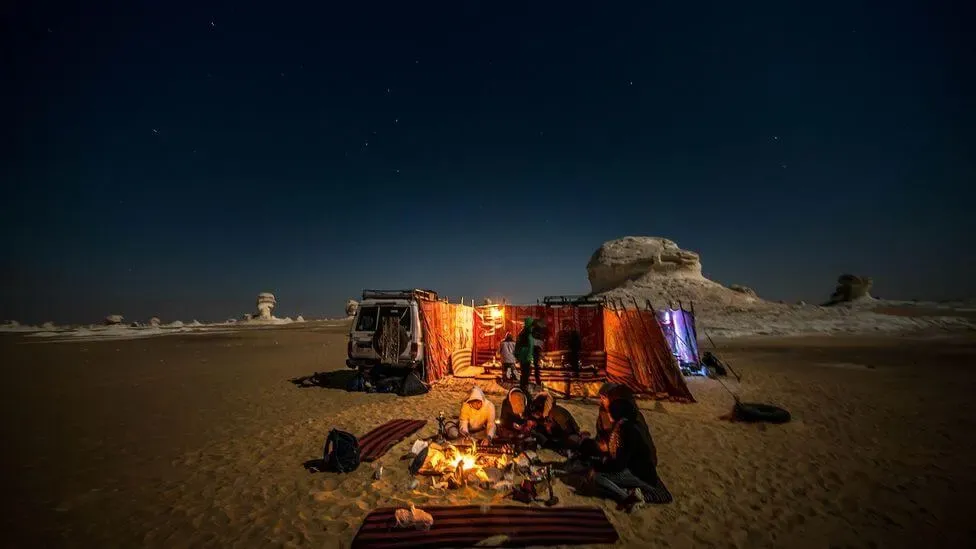
In the Farafra depression of the Western Desert, wind has carved white chalk into towers, mushrooms and odd animal shapes that seem to glow against the sand. The area has been a protected area since 2002. Trips usually start from Bahariya Oasis by 4x4, stopping at the dark volcanic hills of the Black Desert and at Crystal Mountain on the way in.
Tip: arrange permits in advance and travel with an official guide; the UK FCDO says both are required for visits to the White Desert. Stay overnight if you can. The day trip from Cairo leaves around 5am and returns late at night, while a desert camp gives you sunset, a clear night sky and sunrise over the formations. Nights can be cold in winter, so pack warm layers, and leave the rock formations untouched. Our 2-Day White Desert Tour from Cairo includes one night of camping and all meals.
12. Travel west to Siwa Oasis
Siwa lies about 820 km southwest of Cairo near the Libyan border, according to Egypt's State Information Service, and it feels like a world of its own, with palm groves, olive trees, salt lakes and the edge of the Great Sand Sea. You can climb the ruins of Shali, the old mud-brick town, visit the Temple of the Oracle of Amun that Alexander the Great consulted, and swim in the spring known as Cleopatra's Bath.
Tip: allow at least three days and plan the journey via the Marsa Matruh to Siwa road. The Bahariya to Siwa road is closed; check current regional advice before travelling. Siwa is a traditional community, so dress conservatively. Our Siwa Oasis guide covers the sights, and our 3-Day Siwa Oasis Tour from Cairo handles the journey.
How to combine these experiences
Group the list by region: the first three in Cairo, the next six in Luxor, on the Nile and in Aswan, then the Red Sea as a rest at the end. The White Desert and Siwa each need their own days away from the Nile Valley.
If you would like help fitting several of these into one trip, our team can build a tailor-made Egypt itinerary around your dates, with private tours and certified Egyptologist guides for the sightseeing.
Frequently Asked Questions
What are some unique things to do in Egypt beyond the main sights?
Watch sunrise from a hot-air balloon over Luxor's West Bank, sail a felucca in Aswan, visit a Nubian village, spend a night among the chalk towers of the White Desert, snorkel a Red Sea reef or travel west to Siwa Oasis. In Cairo, the Grand Egyptian Museum's Tutankhamun galleries and a walk along Al-Muizz Street to Khan el-Khalili are hard to match.
When is the Abu Simbel sun festival?
The alignment happens twice a year, on 22 February and 22 October, shortly after sunrise. Sunlight travels into the Great Temple and lights the seated statues of Ramses II, Amun and Ra-Horakhty in the sanctuary, while the statue of Ptah stays in shadow. Crowds are large on both mornings, so plan transport and rooms well ahead.
Is Tutankhamun's golden mask still in the Egyptian Museum in Tahrir?
No. The Tutankhamun collection, including the golden mask, is now at the Grand Egyptian Museum beside the Giza Plateau, which officially opened on 1 November 2025 and shows the complete collection together for the first time since the tomb was found.
Where can I see Egypt's royal mummies?
In the Royal Mummies Gallery of the National Museum of Egyptian Civilization in Fustat, Cairo. The mummies were moved there from the Tahrir museum in April 2021, and the gallery displays 17 kings and 3 queens. They are not at the Grand Egyptian Museum.
When do hot-air balloons fly in Luxor?
Flights leave at sunrise from the West Bank, when the air is calmest. The flight itself lasts about 45 minutes, and the whole outing with hotel pickup and the boat crossing takes about two to three hours. Flights go ahead only when the weather allows.
Do I need a separate ticket for Tutankhamun's tomb in the Valley of the Kings?
Yes. The official ticket portal lists general Valley of the Kings admission and separate tickets for Tutankhamun and Seti I. Check which tombs general admission covers when you visit, and see our entrance fees guide for current prices.
Can I enjoy the Red Sea if I am not a diver?
Yes. Snorkelling boat trips, such as the day trip from Hurghada to the protected Giftun Islands, let you see coral and reef fish from the surface with a mask and fins. Ask for a life jacket if you are not a confident swimmer, and never stand on or touch the coral.
Is the White Desert better as a day trip or an overnight trip?
It can be done in a long day from Cairo, but the day trip leaves around 5am and returns late at night. Staying one night in a desert camp lets you see the formations at sunset and sunrise and gives you a clear night sky, without the long drive back the same evening. Arrange permits in advance and travel with an official guide; the UK FCDO says both are required for visits to the White Desert.
How far is Siwa Oasis from Cairo?
Egypt's State Information Service places Siwa about 820 km southwest of Cairo, near the Libyan border. Because of the distance, allow at least three days so you have time for the Oracle Temple, the old town of Shali, the springs and a desert drive.