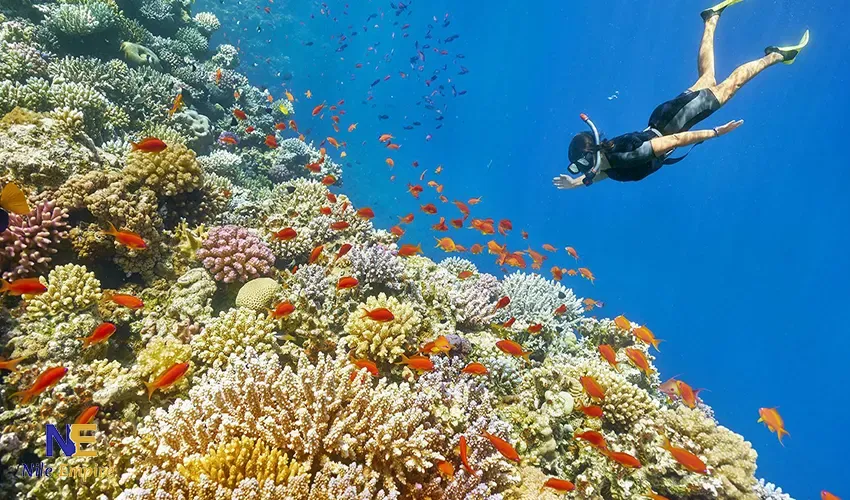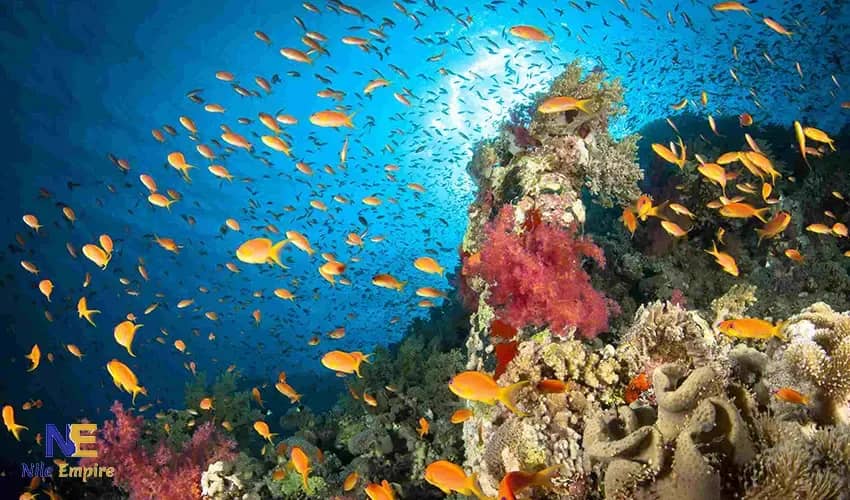
Ready to dive the Red Sea? Discover the absolute best diving spots in Sharm El Sheikh Ras Mohammed. Explore Shark Reef, deep walls, and epic wrecks!
When underwater enthusiasts discuss the premier scuba destinations on the planet, the conversation inevitably gravitates toward the Red Sea. And within that vibrant, hyper-saline body of water, one specific geographic point stands out as the undisputed crown jewel: the Ras Mohammed National Park. Located at the extreme southern tip of the Sinai Peninsula, exactly where the Gulf of Suez violently meets the Gulf of Aqaba, this protected marine sanctuary is a bucket-list destination for global divers.
However, for divers planning an expedition in 2026, the challenge isn’t deciding *whether* to visit; it is deciphering exactly *where* to drop beneath the surface. The park spans a massive 480 square kilometers, and not all reefs are created equal. Some sites are notorious for punishing currents that test the limits of advanced divers, while others offer serene, shallow coral gardens perfect for beginners.
If you are trying to identify the absolute best diving spots in sharm el sheikh ras mohammed, you need accurate, up-to-date hydrographic and marine life data to match the dive site to your certification level and expectations.
In this comprehensive, expert-led guide, we will bypass the generic tourist brochures. We will plunge deep into the topography of the park, revealing the sites where pelagic sharks hunt, where towering coral pillars scrape the surface, and how to safely navigate the legendary currents that make Ras Mohammed a world-class diving theater.
Quick Snapshot: Ras Mohammed Diving Parameters
Before selecting your specific dive sites, it is crucial to understand the baseline environmental and logistical parameters of diving in the National Park.
| Parameter | Ras Mohammed Details | Diver Impact |
|---|---|---|
| Currents | Moderate to Extreme (Variable) | Requires excellent buoyancy control. Many sites are drift dives. |
| Visibility | 20 to 40+ Meters | Crystal clear water provides ideal conditions for underwater photography. |
| Marine Life Focus | Pelagics (Sharks/Rays) & Huge Schools | Ideal for seeing large, open-ocean predators rather than just macro life. |
| Access Method | Primarily Daily Boat Trips | Boats depart from Sharm El Sheikh marinas (approx. 45-60 min travel). |
(Swipe table to see details)
Hydrodynamics: Why is the Diving Here So Good?
To understand why these sites are so legendary, you must understand the geography. Ras Mohammed is a headland plunging sharply into the abyss. It acts as a massive underwater wall that intercepts the powerful currents flowing between the Gulf of Aqaba and the Gulf of Suez.
These strong currents act as a conveyor belt, sweeping massive amounts of plankton and nutrients directly onto the reef walls. This localized explosion of food attracts vast schools of reef fish (snappers, batfish, and barracudas). Naturally, where the massive schools gather, the apex predators follow. This hydrodynamic environment is precisely why divers consistently encounter tuna, trevallies, and various shark species patrolling the blue water off the reef edge.
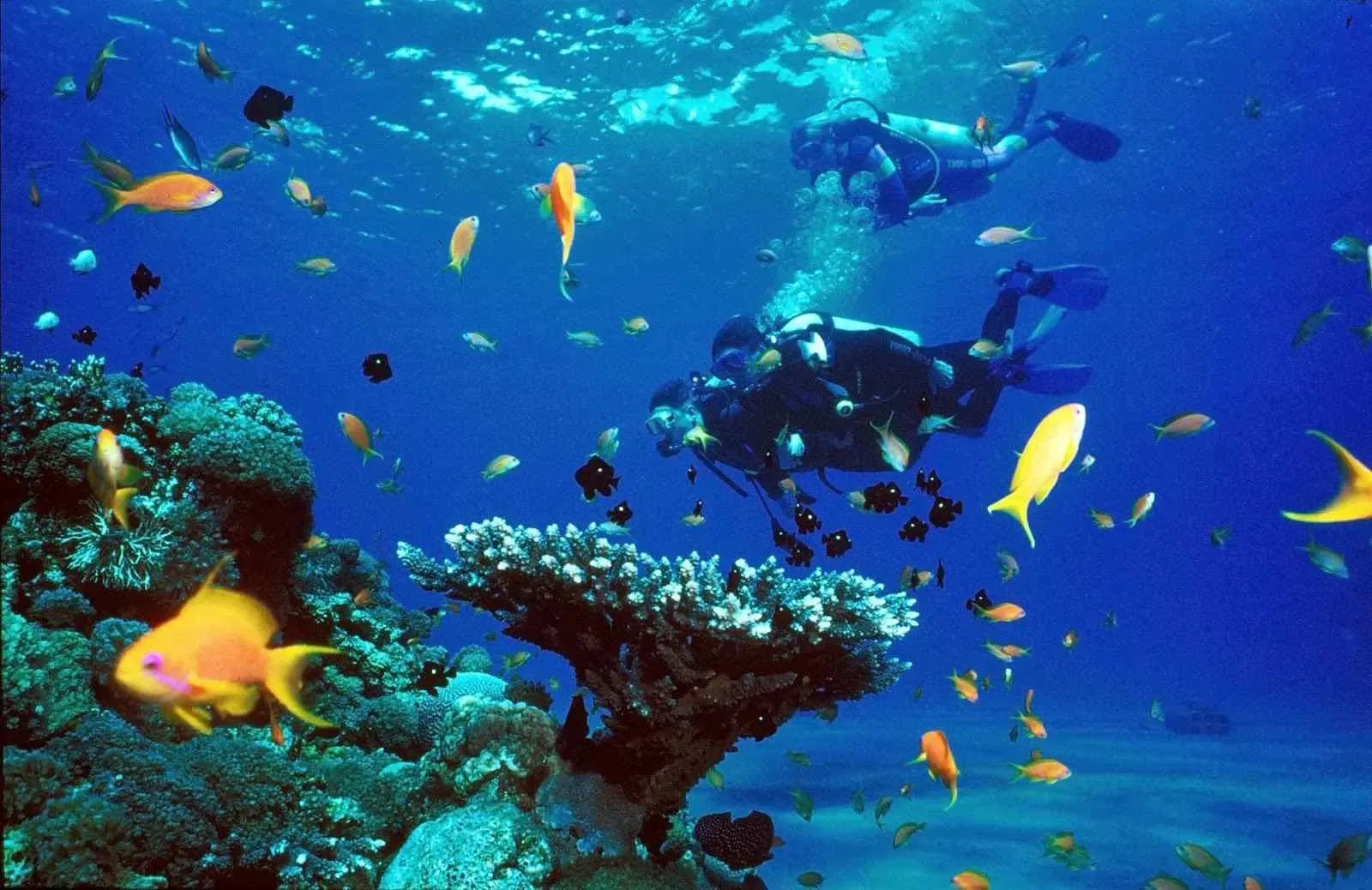
The Apex Sites: The Best Diving Spots in Ras Mohammed
When you book a Diving Tour at Ras Mohammed National Park by Boat, your Divemaster will select the day’s itinerary based on current weather and sea conditions. However, the following three sites are universally recognized as the absolute best the park has to offer.
1. Shark & Yolanda Reef (The Ultimate Twin Peaks)
If you can only do one dive in the Red Sea, this is it. These are two massive coral pinnacles rising from the profound depths, separated by a shallow saddle.
- The Shark Reef Wall: The dive usually begins by descending along the vertical, current-swept wall of Shark Reef. Look out into the blue; this is where you are most likely to spot grey reef sharks, massive schools of bohar snappers, and solitary barracudas.
- The Yolanda Wreckage: The current then pushes you across the saddle to Yolanda Reef, named after a Cypriot cargo ship that struck the reef in 1980. While the main hull slid into the abyss decades ago, the reef is famously littered with the ship’s bizarre cargo: thousands of British-made porcelain toilets, bathtubs, and BMW car parts, now beautifully encrusted with coral.
- Required Level: Advanced. The currents here can be unpredictable, creating “washing machine” conditions that require strong buoyancy skills.
2. Jackfish Alley
Located slightly further north, Jackfish Alley offers a stunning combination of topography and marine life. It is named for the enormous schools of jacks and trevallies that patrol the area.
- The Topography: The dive features a series of small, beautifully lit caves and swim-throughs at a depth of about 5 to 8 meters, making it fantastic for underwater photography. As you exit the caves, you drop down onto a sandy plateau where stingrays and white-tip reef sharks are frequently spotted resting.
- Required Level: Intermediate. It is less demanding than Shark Reef but still requires good air management.
3. Ras Ghozlani
If you are looking for a more serene, visually breathtaking dive without fighting the current, Ras Ghozlani is unparalleled. Because it is located slightly inside the bay, it is protected from the harshest winds.
- The Coral Gardens: Ras Ghozlani is famous for its colossal, centuries-old Gorgonian fan corals and vibrant soft corals. It is a fantastic location to spot green sea turtles, moray eels, and eagle rays gliding over the sandy patches between the coral blocks.
- Required Level: Beginner to Intermediate. It is an ideal, relaxing second dive after the intensity of Shark Reef.
Ready to Dive the Legend?
Don’t leave your underwater experience to chance. Nile Empire books Ras Mohammed dives with established dive centres in Sharm El Sheikh, with internationally certified instructors and dive guides who choose the day’s sites to suit sea conditions and your level.
Comparison: Ras Mohammed vs. Alternatives
For divers basing their Egyptian holiday around scuba, a common question arises: Should I dive the Sinai Peninsula (Ras Mohammed) or the mainland coast (Hurghada)? Here is an objective comparison.
| Feature | Ras Mohammed (via Sharm El Sheikh) | Giftun Island Area (via Hurghada) |
|---|---|---|
| Topography | Dramatic vertical walls and deep drop-offs. | Shallow, sloping coral gardens and sandy bottoms. |
| Current Strength | Often very strong; excellent for drift diving. | Generally mild and highly predictable. |
| Target Audience | Advanced divers seeking pelagic action and adrenaline. | Beginners taking their Open Water courses or casual divers. |
| Tour Link | Ras Mohammed Boat Trips | Scuba Diving Trip in Hurghada |
(Swipe table to see details)
2026 Logistics: Boats, Fees, and Best Seasons
Executing a dive in Ras Mohammed requires minor logistical preparation. Because it is a strictly protected national park, specific rules apply.
National Park Fees and Visas
If you are staying in Sharm El Sheikh, you are generally covered by the free “Sinai Only” visa for 15 days. However, rules for boat trips into Ras Mohammed have varied, and some operators ask for the full Egypt eVisa ($30 USD) for park dives, so check with your dive centre before booking. A Ras Mohammed National Park entrance fee is also payable: it is not included in our Ras Mohammed trips and is usually paid in cash on the day.
The Best Time to Dive
Diving is possible year-round, but the seasons drastically change the experience:
- Summer (July – August): The water is remarkably warm (up to 28°C / 82°F), meaning you only need a 3mm shorty wetsuit. This is also the peak season for massive fish spawning aggregations, which brings in the largest sharks.
- Winter (December – February): The water temperature drops significantly (around 22°C / 72°F), requiring a full 5mm wetsuit and a hood. However, the colder water often brings crystal-clear visibility and the chance to spot elusive manta rays.
Conclusion
Identifying the best diving spots in sharm el sheikh ras mohammed is an exercise in matching your skills to the raw power of the Red Sea. From the surreal, toilet-strewn wreckage of Yolanda Reef to the dramatic, pelagic-rich drop-offs of Shark Reef, this national park delivers an underwater experience that rivals anything found in the Maldives or the Great Barrier Reef.
However, the dramatic currents that make the park so rich also demand respect. Divers must be honest about their buoyancy skills and air consumption. By choosing a highly reputable operator, respecting the National Park regulations, and diving within your limits, you give yourself the best chance of an exhilarating, safe encounter with the apex predators and vibrant corals of the Sinai Peninsula.
Whether you are seeking the ultimate drift dive or a relaxing drift through Jackfish Alley, let the experts at Nile Empire construct your perfect Red Sea itinerary. Contact our team today to integrate world-class scuba diving seamlessly into your comprehensive Egyptian holiday.
Frequently Asked Questions (FAQs)
1. Do I need an Advanced Open Water certification to dive Ras Mohammed?
Not strictly required, but highly recommended. While there are shallow, protected sites suitable for Open Water divers (like Ras Ghozlani), the absolute best sites in the park, specifically Shark and Yolanda Reefs, feature strong currents, deep walls, and negative entries. To safely enjoy these premier sites, an Advanced certification or significant drift diving experience is essential.
2. Can you snorkel at Ras Mohammed instead of scuba diving?
Absolutely. Many daily boats cater to both divers and snorkelers. While snorkelers cannot descend the deep walls of Shark Reef, the shallower coral plateaus near Yolanda Reef and the internal bays offer spectacular, world-class snorkeling with massive schools of colorful reef fish visible from the surface.
3. Are there sharks in Ras Mohammed National Park?
Yes, frequently. The strong currents and abundance of fish make it a prime hunting ground. Divers routinely spot white-tip and black-tip reef sharks, grey reef sharks, and occasionally scalloped hammerheads out in the blue water off the drop-offs. They are wild animals; keep your distance and follow your dive guide’s instructions.
4. What thickness wetsuit should I bring for diving in Sharm El Sheikh?
It depends entirely on the season. If you are diving between June and September, a 3mm shorty or full suit is perfectly comfortable. If you are diving between December and March, the water temperature drops, and the winds on the boat deck can be freezing; a full 5mm wetsuit and potentially a neoprene hood or vest are strongly advised.