Plan your visit for the February 22 or October 22 solar alignment. Book Abu Simbel Sun Festival tours early and compare Aswan coach trips and private tours.
Deep in the southern reaches of Egypt, near the Sudanese border, stands an architectural and astronomical marvel that continues to baffle modern engineers. Carved directly into a sandstone mountain during the 13th century BC, the Great Temple of Ramses II at Abu Simbel is not merely a static monument; it is a meticulously calibrated solar calendar. Twice a year, this colossal structure hosts a breathtaking alignment of light and stone, drawing thousands of international travelers seeking exclusive Abu Simbel Sun Festival tours.
For visitors planning an itinerary around the February and October alignments, understanding the profound historical context, the complex logistical requirements of reaching this remote site, and the available tour frameworks is critical. This comprehensive guide dissects the mechanics of the solar phenomenon, provides objective data on transportation and accommodation strategies, and compares the top tour options to ensure a seamless experience of this unparalleled ancient spectacle.
Quick Snapshot: The Abu Simbel Solar Alignment
The following table outlines the fundamental astronomical and logistical data points governing the Sun Festival.
| Metric | Data Point |
|---|---|
| Dates | Feb 22 & Oct 22 |
| Location | Abu Simbel (South of Aswan) |
| Time | Sunrise (about 6:20 AM in February, about 6:55 AM in October) |
| Duration | ~20 minutes |
| Illuminates | Amun-Ra, Ramses II, Ra-Horakhty |
↔ Swipe if needed
1. The Mechanics of the Phenomenon: Engineering and Astronomy
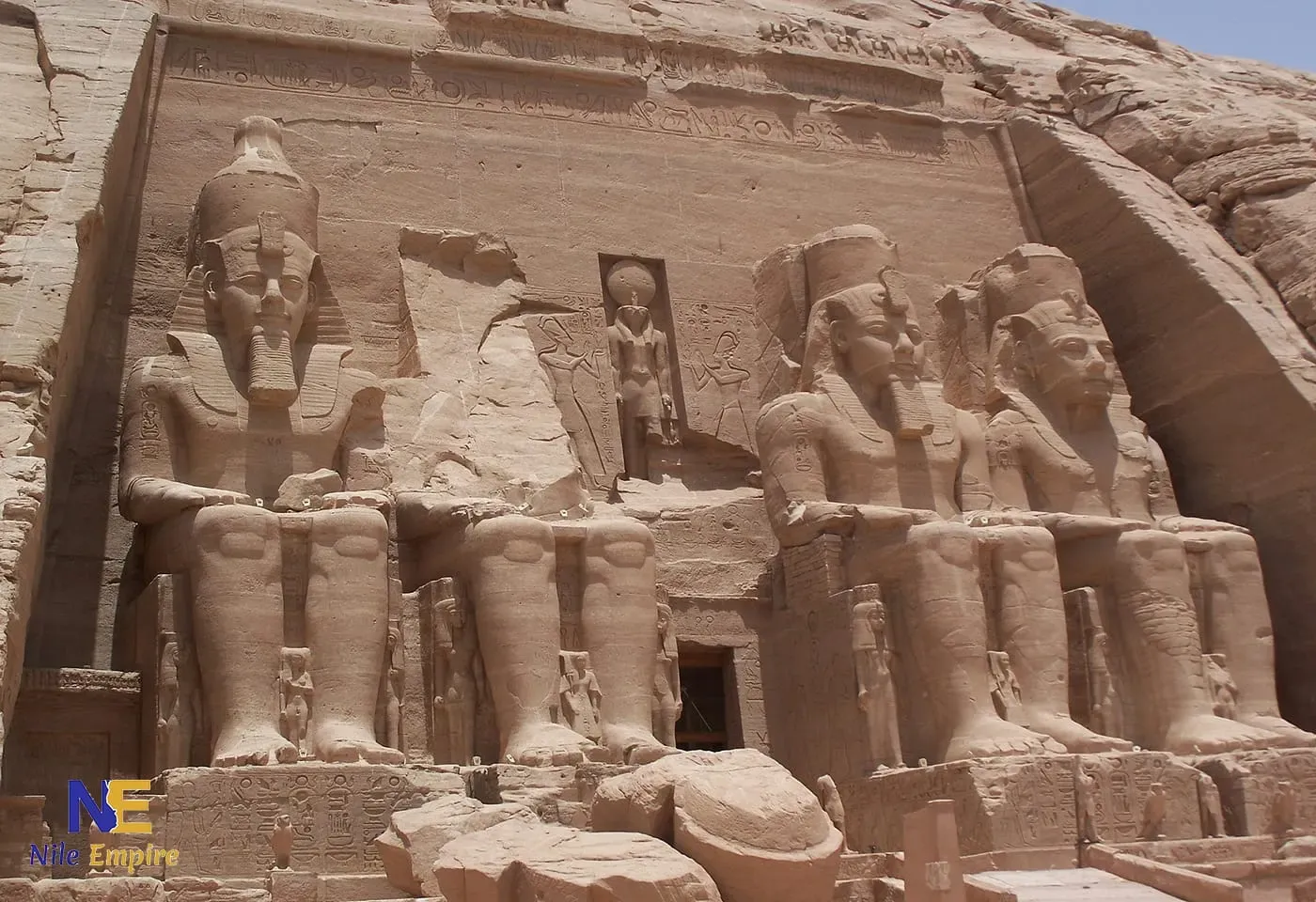
The Great Temple was commissioned by Ramses II (Ramses the Great) to demonstrate his divine authority to the southern Nubian territories. While the exterior facade—featuring four 20-meter-tall statues of the seated pharaoh—is globally recognized, the temple’s true genius lies within its internal axis.
The Solar Alignment
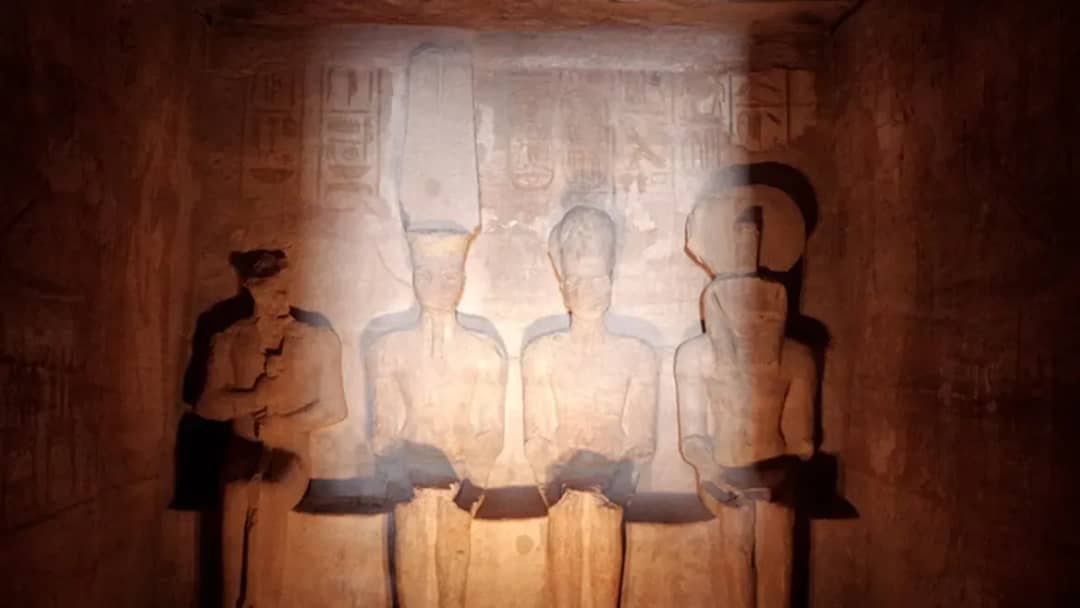
The temple was precisely carved so that on exactly two days of the year, the first rays of the morning sun penetrate the entrance. The light travels 65 meters (213 feet) straight through the hypostyle hall and the pillared corridors, eventually hitting the back wall of the innermost sanctuary (the Holy of Holies). This sanctuary houses four seated statues. The sunlight specifically illuminates three of them: Amun-Ra (the king of gods), the deified Ramses II, and Ra-Horakhty (the sun god). Crucially, the fourth statue, Ptah (the god associated with the underworld and darkness), remains perpetually in the shadows.
The Historical Dates: February 22 and October 22
Historically, the alignment occurred on February 21 and October 21. These dates are widely believed by Egyptologists to correspond with Ramses II’s birthday and the anniversary of his coronation, respectively. Furthermore, these dates synchronize with the ancient Egyptian agricultural calendar, marking the beginning of the harvest and the planting seasons.
The UNESCO Relocation
In the 1960s, the construction of the Aswan High Dam threatened to submerge the temple beneath the rising waters of Lake Nasser. In a monumental international effort led by UNESCO, the entire mountain was cut into massive blocks and reassembled 65 meters higher and 200 meters back from the river. Despite using advanced 20th-century technology, modern engineers could not perfectly replicate the ancient alignment; the phenomenon was permanently shifted by one day, resulting in the current dates of February 22 and October 22.
Top Recommended Abu Simbel Tour Options
Reaching a remote desert site before dawn on the busiest day of the year requires careful logistics. Attempting to organize transport independently during the festival dates is highly risky due to severe shortages. The following structured tours include transport.
1. The Standard Desert Convoy (Most Popular)
For those based in Aswan, the most economically efficient method is the shared bus convoy. The Tour to Abu Simbel by Coach from Aswan normally picks you up at about 04:00 AM for standard departures; that is too late for the alignment, so confirm whether an earlier festival departure is available before booking. This option spreads the heavy transportation cost across a group while providing air-conditioned comfort.
2. The Private VIP Expedition
Travelers seeking flexibility, a dedicated Egyptologist, and the ability to depart slightly off the massive convoy schedule should opt for the Private Tour to Abu Simbel from Aswan. This ensures personalized attention during a highly chaotic event.
3. The Ultimate River Strategy
Rather than driving, many travelers integrate Abu Simbel into a comprehensive upper Egypt itinerary. Securing a cabin on the Aswan to Luxor Nile Cruise (4 Days / 3 Nights) allows you to use your floating hotel as a base in Aswan before or after the festival.
4. The Grand Egyptian Museum Combo
If you are flying into Cairo specifically for the festival, it is worth adding the Grand Egyptian Museum. Book the Day Tour to Giza Pyramids and the Grand Egyptian Museum to handle your northern logistics before flying south to Aswan.
2. Logistical Realities: Getting to Abu Simbel
Abu Simbel is not a day trip from Cairo; it is an expedition from Aswan. Understanding the transportation infrastructure is vital for planning Abu Simbel Sun Festival tours.
The Overland Route (Coach/Minibus)
The vast majority of tourists access the site via the desert highway stretching 290 kilometers south of Aswan. During the festival, convoys of buses and private vehicles leave Aswan between 2:00 AM and 4:00 AM. The journey takes approximately 3 to 3.5 hours. It is imperative to book this overland transport months in advance, as local operators sell out of available vehicles rapidly.
Domestic Aviation
EgyptAir operates flights between Aswan (ASW) and the small Abu Simbel Airport (ABS). The flight takes about 45 minutes. Regular flights are scheduled after dawn, so check your flight time against the alignment before relying on a same-morning flight, and book early for the festival dates.
3. The Festival Experience: What to Expect on the Ground
Travelers must manage their expectations regarding the physical environment and crowd dynamics during the biannual alignment.
The Pre-Dawn Atmosphere
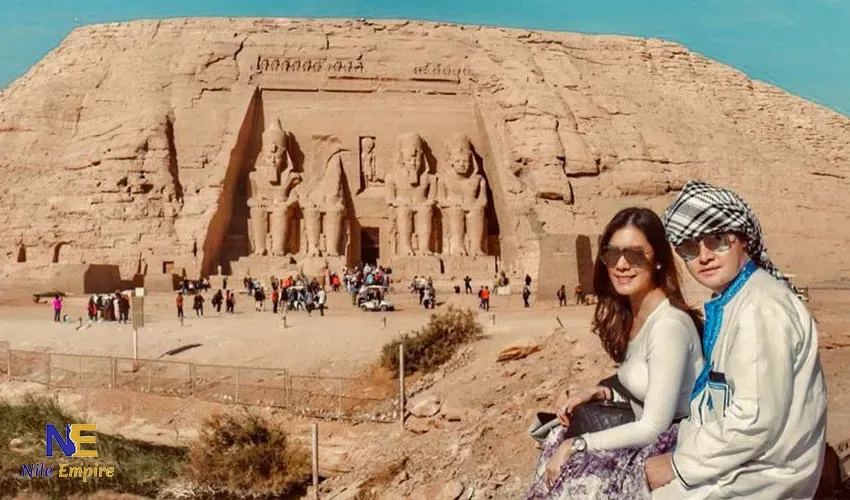
Upon arriving at the complex before sunrise, visitors will find a festive, highly energized atmosphere. The site is illuminated by floodlights, and local Nubian folkloric troupes perform traditional music and dances near the visitor center. Food vendors and local artisans set up stalls, creating a vibrant, communal waiting period.
Managing the Crowds and the Viewing Window
Because the solar alignment lasts for only about 20 to 25 minutes, the logistics of allowing thousands of people to witness it are intense. Visitors are funneled into a highly organized, fast-moving line that passes through the temple’s main corridor. You will not have the opportunity to stand still inside the sanctuary; security personnel keep the line moving continuously to ensure everyone gets a glimpse of the illuminated statues.
Crucial Tip: Personal photos without flash are allowed, but during the festival the guards keep the line moving. Do not stop in the corridor to take a photo of the sanctuary, as you will be rushed forward.
Comparison: Festival Viewing vs. Standard Day Trip
Travelers must weigh the cultural significance of the festival against the challenges of peak-season crowding. The following table contrasts attending the Sun Festival versus visiting on a standard day.
| Factor | Festival | Standard |
|---|---|---|
| Crowds | Extreme (Thousands) | Moderate/Low |
| Vibe | Festive, loud | Quiet |
| Time | Seconds (moving) | Unlimited |
↔ Swipe if needed
4. Accommodation Strategy in Aswan
Because Abu Simbel itself possesses very limited accommodation infrastructure, Aswan serves as the staging ground for most festival attendees. Securing lodging in Aswan for February 21/22 or October 21/22 requires aggressive early planning.
- Luxury Heritage Hotels: Properties like the Old Cataract Hotel offer unparalleled historic luxury but will be booked out at peak rates up to a year in advance.
- Nile View Standard Hotels: Mid-range 4-star and 5-star properties along the Aswan Corniche provide excellent staging points, as tour operators easily coordinate pick-ups from these central locations.
- Elephantine Island & West Bank Guesthouses: While charming and budget-friendly, staying on the islands requires a ferry or motorboat crossing. You must pre-arrange with your guesthouse owner to have a boat ready for your 3:00 AM departure to meet your tour bus on the mainland.
To avoid the stress of booking fragmented hotels during this peak demand period, many travelers opt to book comprehensive multi-day Egypt travel packages that include Aswan accommodation alongside the Abu Simbel transit logistics.
Conclusion
The Abu Simbel Sun Festival is not merely a tourist attraction; it is a profound demonstration of ancient Egyptian architectural supremacy and astronomical mastery. Standing before the colossal facade of Ramses II as the first rays of dawn pierce the darkness to illuminate statues carved over 3,000 years ago is a singular, bucket-list experience. However, successfully executing Abu Simbel Sun Festival tours demands meticulous, advanced logistical planning. By securing transportation early—whether via a private VIP transfer or a shared coach—and managing expectations regarding the intense crowd dynamics, travelers can smoothly navigate this extraordinary event and witness the enduring brilliance of Pharaonic engineering.
Frequently Asked Questions
When does the Abu Simbel Sun Festival occur?
The Abu Simbel Sun Festival occurs exactly twice a year: on February 22nd and October 22nd. These dates align with the agricultural seasons of ancient Egypt and are believed to celebrate the King’s birthday and coronation.
What exactly happens during the Sun Festival?
At sunrise, sunlight perfectly aligns with the temple’s axis, penetrating the 65-meter-deep corridor to illuminate three of the four statues in the inner sanctuary: Amun-Ra, Ramses II and Ra-Horakhty, leaving Ptah (god of darkness) in shadow.
How far is Abu Simbel from Aswan?
The temples of Abu Simbel are located approximately 290 kilometers (180 miles) south of Aswan. By coach, the journey through the desert takes around 3 to 3.5 hours each way, necessitating a very early morning departure.
Do I need to book an Abu Simbel Sun Festival tour in advance?
Yes, absolutely. Because the phenomenon only happens twice a year, hotels in Aswan, domestic flights, and tour operators sell out months in advance. Booking 6 to 8 months prior is highly recommended to secure your spot.
How much are the entrance fees to the sightseeing listed in the Blog?
Entrance fees in Egypt generally range from EGP 200 to EGP 1500 (4 USD to 30 USD), depending on the site, and all major attractions accept credit card payments or online booking. You can learn more details by reading the following article: Egypt Attractions Entrance Fees Guide.