Planning to visit the Valley of the Kings in 2026? Find which tombs are worth it, how tickets work, and what to expect inside the burial chambers.
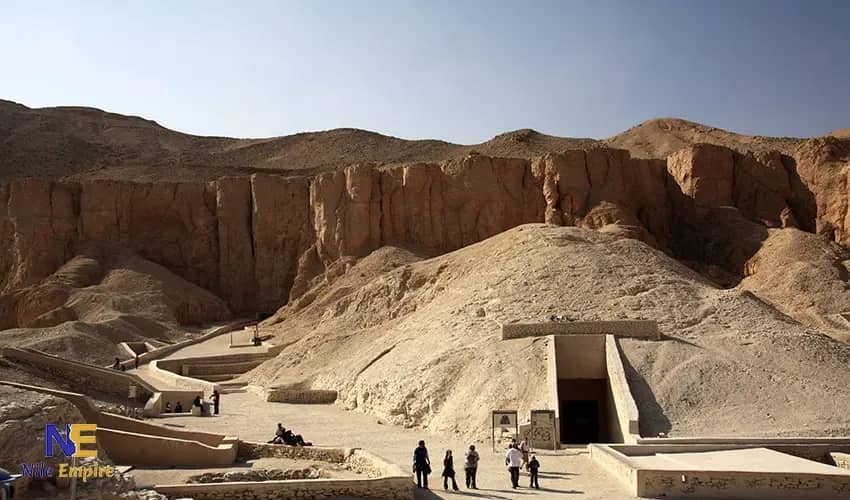
Hidden beneath the sun-scorched cliffs of Luxor’s West Bank lies one of the most extraordinary places on Earth. The Valley of the Kings served as the royal burial ground of Egypt’s New Kingdom pharaohs for nearly 500 years — a vast underground city of tombs carved directly into the limestone mountains across the Nile from ancient Thebes.
For most travelers, it becomes the single most memorable stop on any Luxor West Bank tour or Nile cruise itinerary. Unlike a museum where history sits safely behind glass, the Valley of the Kings places you directly inside the original burial chambers — surrounded by 3,000-year-old paintings, hieroglyphic prayers, and in some tombs, the original stone sarcophagus exactly where it stood when the tomb was first sealed.
This guide covers everything you need to visit in 2026: which tombs are worth your time, how the ticket system actually works, what to expect inside, and how to avoid the most common mistakes first-time visitors make. Before you go, check current Egypt entrance fees — cash is no longer accepted at the site.
Quick Answer: Visiting the Valley of the Kings in 2026
For the best possible Valley of the Kings experience in Luxor, follow these essentials:
- Arrive Early: Enter before 9 AM to avoid brutal desert heat and tour crowds.
- Choose Tombs Wisely: Ramses VI and Seti I are among the most visually spectacular.
- Wear Proper Shoes: Expect steep ramps, dusty paths, and uneven ancient floors.
- Bring Water: Luxor’s West Bank temperatures become intense very quickly.
- Hire a Guide: The symbolism and stories completely transform the experience.
What Is the Valley of the Kings?
Hidden deep within the barren desert mountains of Luxor’s West Bank lies one of the greatest archaeological treasures on Earth: the Valley of the Kings.
This ancient royal necropolis served as the burial ground for Egypt’s New Kingdom pharaohs for nearly 500 years. Instead of constructing massive pyramids visible from miles away, rulers of the 18th, 19th, and 20th dynasties carved secret underground tombs directly into the limestone cliffs surrounding the valley.
Today, more than 60 royal tombs have been discovered here, including the world-famous tomb of Tutankhamun. For many travelers, visiting the Valley of the Kings becomes the emotional and historical highlight of their entire Egypt trip.
Unlike museums where artifacts sit behind glass, the Valley of the Kings places visitors directly inside the original burial chambers themselves. Ancient paintings still cover the walls. Sacred texts still stretch across ceilings. Some tombs still contain original sarcophagi exactly where they stood thousands of years ago.
Why Pharaohs Built Hidden Tombs Instead of Pyramids
By the beginning of the New Kingdom period, ancient Egyptian rulers had learned a painful lesson: pyramids were impossible to protect forever.
Despite elaborate security systems, nearly every royal pyramid eventually became a target for tomb robbers searching for gold, jewelry, and funerary treasures. As a result, pharaohs abandoned pyramid construction entirely and moved their burials into hidden mountain valleys west of ancient Thebes — modern Luxor.
The Valley of the Kings offered several strategic advantages:
- Remote desert terrain difficult to access
- Natural limestone mountains hiding entrances
- Steep cliffs for easier protection
- Deep underground chambers concealed from outsiders
The Egyptians also associated the western side of the Nile with death and rebirth because the sun disappeared behind these mountains every evening before rising again each morning.
In their eyes, the Valley of the Kings was not simply a cemetery. It was the gateway to eternity.
Best Tombs to Visit in 2026
Not every tomb inside the Valley of the Kings offers the same experience. Some are famous for vivid colors, others for gigantic corridors or historical importance. Choosing the right tombs can dramatically improve your visit.
| Tomb | Why It’s Famous | Extra Ticket? |
|---|---|---|
| Tutankhamun (KV62) | Most famous archaeological discovery in history | Yes |
| Seti I (KV17) | Best preserved artwork in the valley | Yes |
| Ramses VI (KV9) | Spectacular astronomical ceiling paintings | Usually Included |
| Ramses III (KV11) | Long corridors with vivid colors and carvings | No |
(Swipe table to see details)
Valley of the Kings Tickets Explained
One of the most confusing aspects for first-time visitors is the Valley of the Kings ticket system.
Your standard entrance ticket usually grants access to three tombs from the currently open standard selection. However, several premium tombs require separate additional tickets due to their popularity and preservation sensitivity.
The premium tombs commonly requiring separate tickets include:
- Tutankhamun (KV62)
- Seti I (KV17)
- Ramses V & VI (depending on rotation)
Tomb availability rotates periodically as Egyptian authorities attempt to reduce humidity damage caused by tourism. Because of this, many travelers choose guided Luxor West Bank tours to avoid confusion and maximize their visit.
Quick Tip: Which Tomb Should You Prioritize?
- Best Overall Artwork: Seti I
- Best Value Tomb: Ramses VI
- Most Historically Famous: Tutankhamun
- Best for Families: Ramses IV
- Best Photography Experience: Ramses VI Ceiling
What the Tombs Actually Look Like Inside
The most surprising thing for many visitors is how alive the tombs still feel.
Outside, the Valley of the Kings appears dry, empty, and almost lifeless beneath the desert sun. But once you descend underground, everything changes.
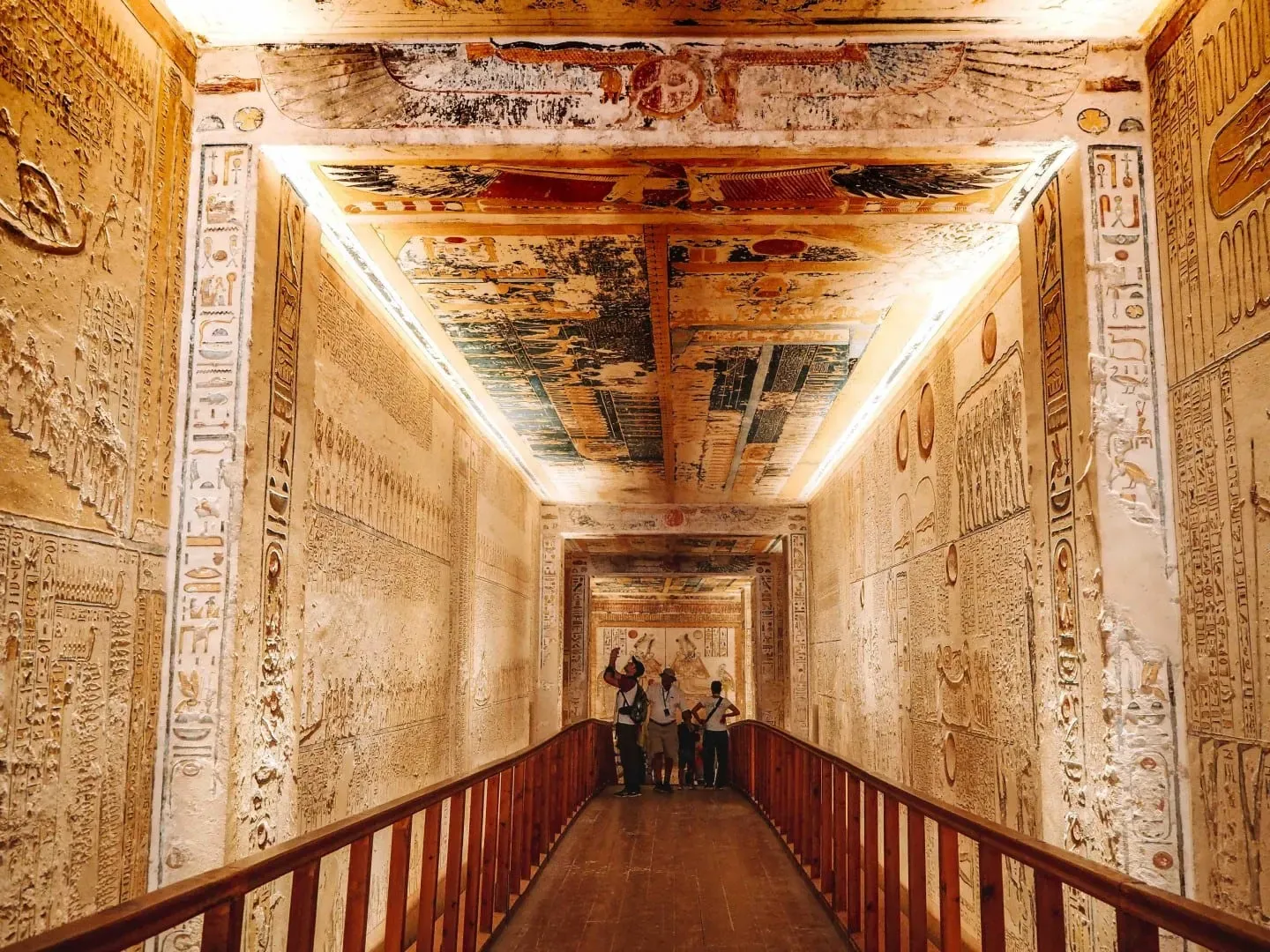
The temperature cools instantly. The sounds disappear. Long corridors stretch into darkness beneath the mountains. Then suddenly, your flashlight or the installed lighting reveals walls exploding with color.
Scenes from the ancient Egyptian afterlife surround you completely:
- Solar boats carrying the king through the underworld
- Massive cobras protecting sacred gates
- Star-filled astronomical ceilings
- Egyptian hieroglyphic prayers for resurrection
- Gods guiding the king toward immortality
Many travelers expect faded ruins. Instead, they find vibrant artwork preserved for over 3,000 years.
Comparison: Which Valley of the Kings Tomb Is Right for You?
| Traveler Type | Recommended Tomb | Reason |
|---|---|---|
| First-Time Visitors | Tutankhamun | World-famous historical significance |
| Photography Lovers | Ramses VI | Most visually stunning ceiling artwork |
| History Enthusiasts | Seti I | Most sophisticated artistic masterpiece |
| Families With Children | Ramses IV | Shorter and easier access corridors |
(Swipe table to see details)
Essential Visitor Tips for 2026
1. Visit Early Morning
Luxor temperatures become extremely intense by midday, especially between May and September.
2. Bring Water Constantly
The West Bank desert heat causes dehydration faster than most travelers expect.
3. Wear Comfortable Shoes
Ancient tomb floors are uneven, steep, and dusty in many sections.
4. Avoid Touching Walls
Even small amounts of moisture from human skin contribute to long-term damage to ancient pigments.
5. Combine Nearby Attractions
Most visitors combine the Valley of the Kings with:
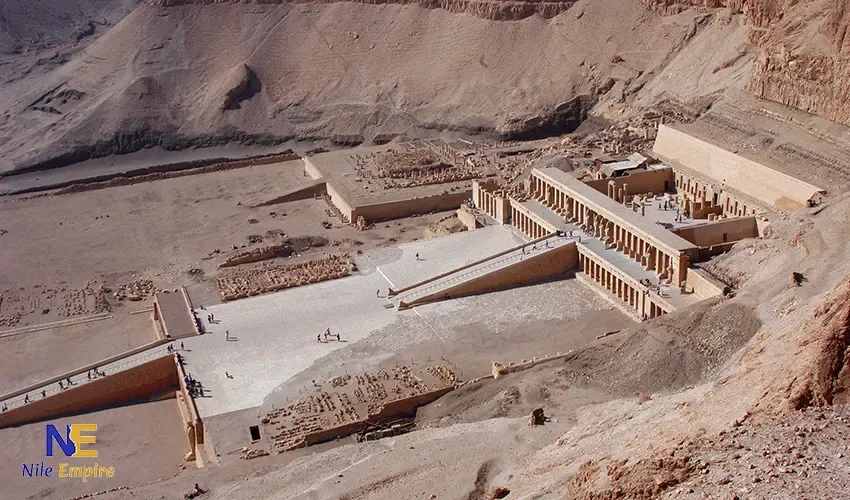
- Temple of Hatshepsut
- Karnak Temple
- Colossi of Memnon
- Luxor Temple
Explore Luxor With Private Egyptologists
Want to experience the Valley of the Kings properly without rushing through tombs in massive groups? Nile Empire offers fully customized Luxor tours and luxury Nile cruises led by expert Egyptologist guides.
Is the Luxor Pass Worth It?
If you plan to visit multiple archaeological sites in Luxor, the Luxor Pass can save substantial money.
The pass often includes:
- Valley of the Kings
- Karnak Temple
- Luxor Temple
- Several premium tombs
- Additional museums and West Bank sites like (hot air balloon over Luxor)
For serious archaeology lovers or photographers spending multiple days in Luxor, the pass is usually worthwhile. Short-stay visitors may benefit more from standard individual tickets instead.
Conclusion: Why the Valley of the Kings Still Feels Unreal
The Valley of the Kings is one of the rare places on Earth where ancient history stops feeling abstract.
You are not simply observing ruins from a distance. You are walking directly through burial chambers designed for immortality more than three thousand years ago.
The combination of silence, desert mountains, underground corridors, glowing artwork, and overwhelming historical significance creates an atmosphere unlike anywhere else in Egypt.
Whether you arrive through a private Luxor tour or a luxury Nile Cruise itinerary, the Valley of the Kings remains one of the greatest travel experiences in the entire world.
other things to see in Luxor
Frequently Asked Questions (FAQs)
1. Is the tomb of Tutankhamun included in the general entry ticket?
No, the tomb of Tutankhamun (KV62) requires a separate extra ticket. The general entry ticket to the Valley of the Kings grants access to three other tombs from the list of those currently open.
2. How much time is needed to visit the Valley of the Kings?
A standard visit covering three tombs typically takes between 1.5 to 2 hours. However, travelers visiting extra tombs like Seti I should allocate 3 to 4 hours to fully explore the area.
3. Can I take photos inside the Valley of the Kings tombs?
Yes, photography is allowed, but with specific rules. As of 2026, taking photos with a mobile phone is free and permitted in most open tombs (excluding Tutankhamun). However, using a professional camera (DSLR) or a tripod requires purchasing a specific photography permit at the ticket office. Flash photography is strictly prohibited everywhere to preserve the pigments.
4. Is the Luxor Pass worth it for the Valley of the Kings?
If you plan to visit the tombs of Seti I and Nefertari (in the Valley of the Queens), the Premium Luxor Pass is highly recommended. These two tombs alone have expensive individual tickets, so the pass can save you money and allows multiple entries to all archaeological sites in Luxor over 5 days.
5. What should I wear when visiting the Valley of the Kings?
There is no strict religious dress code for the valley itself, but modest, breathable clothing is respectful and practical. The most important item is comfortable, closed-toe walking shoes, as the ground is uneven and dusty. A hat, sunglasses, and high-SPF sunscreen are essential due to the intense sun and lack of shade.
6. Is the Valley of the Kings wheelchair accessible?
Partially. The visitor center and the electric train (Taf-Taf) that takes visitors to the entrance are accessible. However, most tombs have steep ramps or stairs. The Tomb of Ramses IV (KV2) and Merenptah (KV8) are generally considered the most accessible, with wooden walkways and less steep gradients compared to others.
7. Do I need a tour guide for the Valley of the Kings?
While not mandatory, hiring a professional Egyptologist is strongly advised. There are no information panels inside the tombs to explain the complex “Books of the Afterlife” painted on the walls. A guide can navigate you to the best-preserved tombs of the day and explain the mythology without wasting your time. You can book a private expert guide to enhance your experience.