What UK, US and Canadian advice says about Egypt: the main tourist areas, the regions to avoid, and practical advice on checkpoints, scams, roads and health.
"Is Egypt safe?" has no single yes or no answer. Official advice treats Cairo, the Nile Valley and the Red Sea resorts very differently from North Sinai, the border zones and much of the Western Desert, and it changes when the region changes. This guide sets out where the lines are drawn and the habits that matter most on the ground.
Sources checked on 29 September 2026: the UK Foreign, Commonwealth & Development Office (FCDO) Egypt advice (last updated 4 August 2026), the US State Department Egypt travel advisory and Canada’s Egypt travel advice (last updated 24 September 2026). Advice can change at any time, so read the current versions before you book and again before you fly.
What official travel advice says
None of the three governments tells its citizens to avoid Egypt as a whole. Each names specific areas to avoid:
- United Kingdom: the FCDO has no country level. It advises against travel only to the areas it lists, and says that "most visits are trouble-free".
- United States: Egypt is at Level 2, "Exercise Increased Caution", due to terrorism, crime and health, with "Do Not Travel" for the Northern and Middle Sinai, for Egyptian border areas (military zones) and for the Western Desert "unless traveling with a professionally licensed tour company".
- Canada: "Exercise a high degree of caution" in Egypt, "due to ongoing tensions in the region, the unpredictable security situation and the threat of terrorism", with stricter advice for named regions.
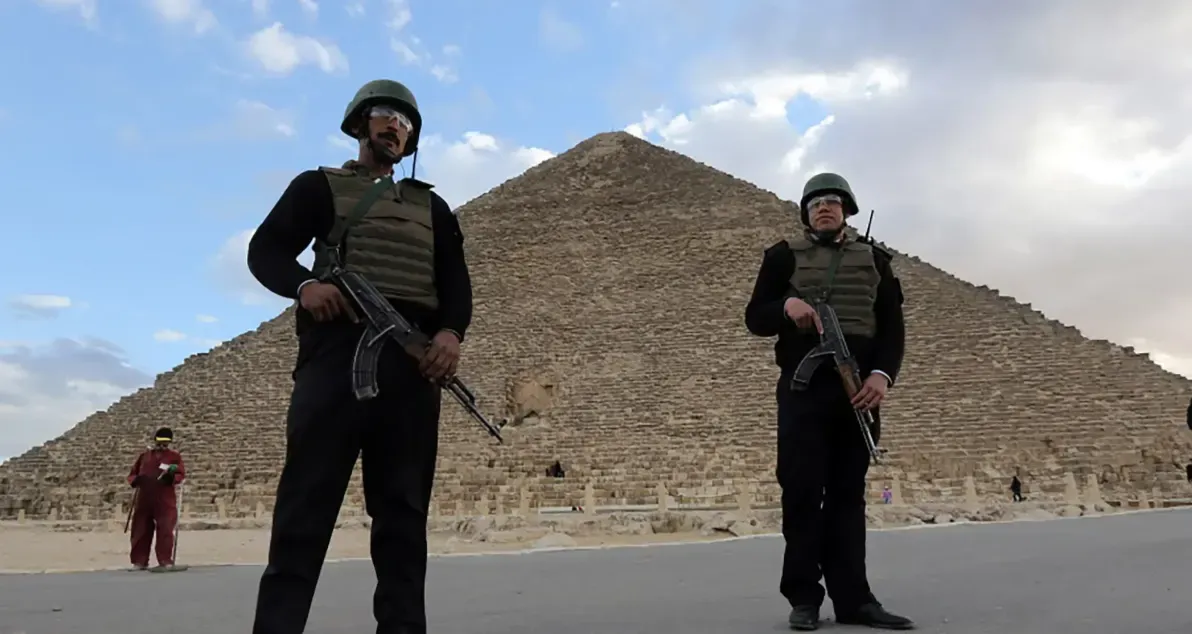
All three describe a threat of terrorism, and the FCDO notes "a significant security presence across the country" with "extra measures" at tourist sites. When we checked, the UK and Canada also referred to wider tensions in the Middle East, and the FCDO warned that the Taba crossing to Israel could close at short notice.
Where the advice draws its lines
The table summarises the advice for the places travellers ask about most on the day we checked. It is a reading aid, not a substitute for the official pages.
| Area | UK (FCDO) | US State Department | Canada |
|---|---|---|---|
| Cairo and Giza | Not in any advise-against area | Level 2, country-wide | High degree of caution, country-wide |
| Luxor and Aswan | Named as exceptions to the Western Desert advice | Level 2, country-wide | High degree of caution |
| Hurghada, El Gouna, Marsa Alam | Not in any advise-against area | Level 2, country-wide | High degree of caution |
| Sharm el-Sheikh and the South Sinai coast | Coastal areas excepted; "generally low risk" | Not in the Do Not Travel list | High degree of caution |
| Inland South Sinai north of the St Catherine road | Against all but essential travel | Not drawn by road; Middle Sinai is Do Not Travel | Avoid non-essential travel |
| North Sinai | Against all travel | Do Not Travel | Avoid all travel |
| White and Black Desert, Bahariya, Siwa | Excepted, with conditions | Do Not Travel unless with a licensed tour company | Excepted via named roads only |
| Libya border | Against all travel within 20km | Do Not Travel (border areas) | Avoid all travel within 50km |
Cairo, Giza, Luxor and Aswan
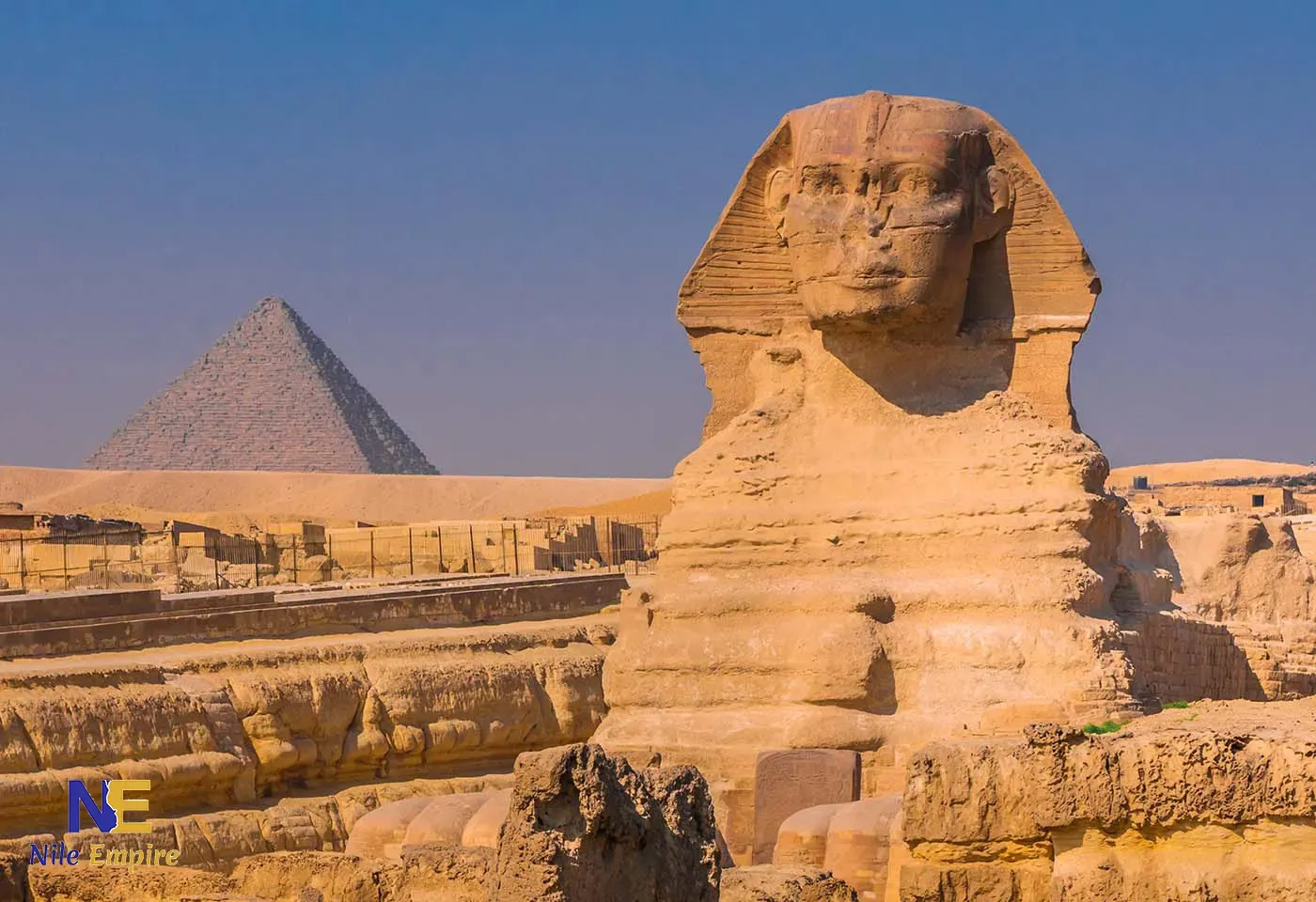
The classic route of Cairo, the Pyramids, Luxor, Aswan and a Nile cruise sits outside every area the UK advises against; the FCDO names Luxor, the Valley of the Kings, Aswan and Abu Simbel as exceptions to its Western Desert advice. Canada asks for a high degree of caution in Luxor and Aswan and suggests following local authorities, hotels and tour guides if you head into rural areas.
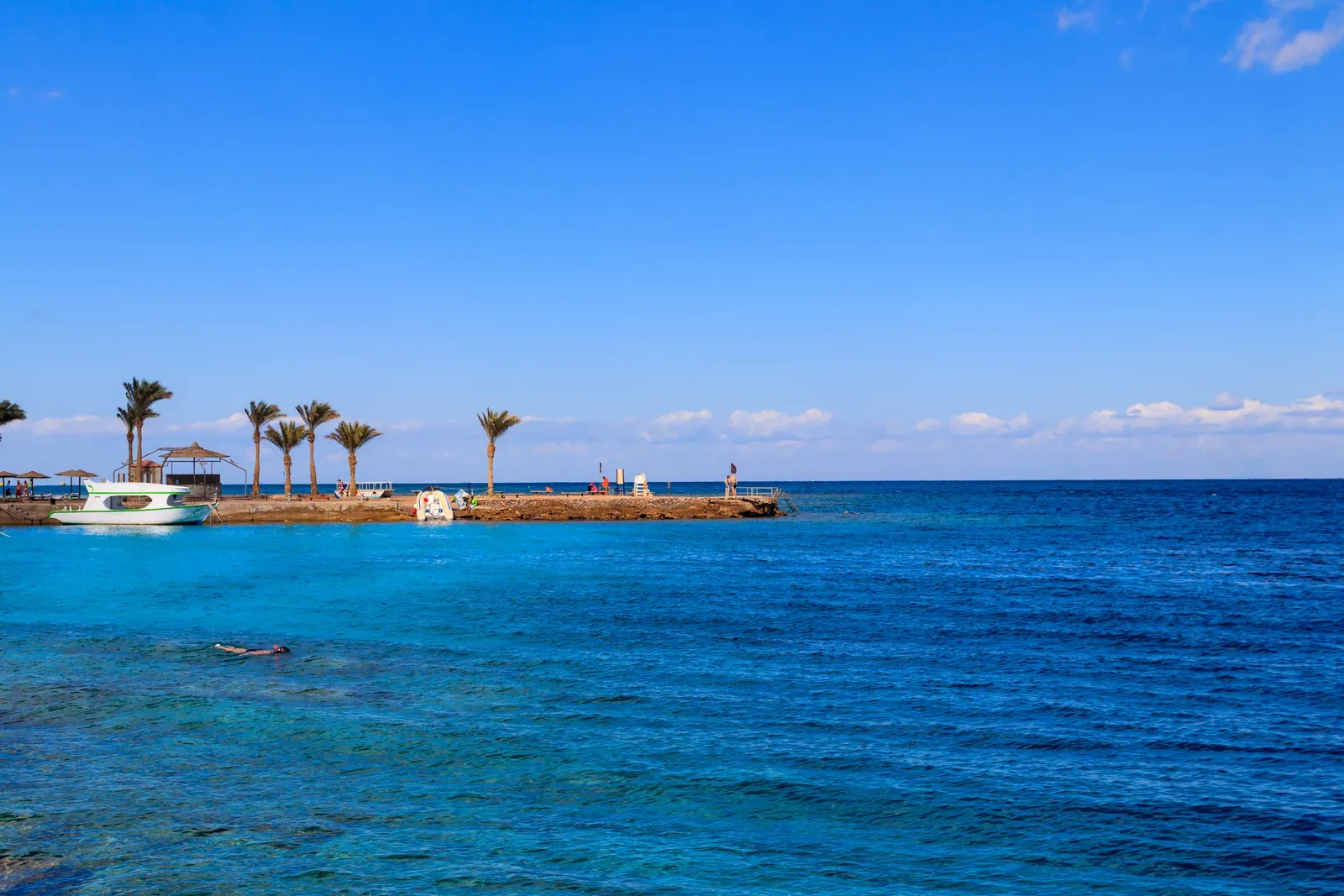
Red Sea resorts, including Sharm el-Sheikh
The FCDO says travel to the Red Sea tourist areas in the south of the Sinai Peninsula "is generally low risk", and that security forces carry out routine checks on vehicles and at airports to protect resorts such as Sharm El Sheikh, Hurghada and Marsa Alam. Canada adds that coastal Sinai resorts, including Dahab, Nuweiba and Sharm el-Sheikh, have seen incidents of petty theft.
If Mount Sinai or St Catherine is on your list, read the South Sinai wording closely: the UK draws its line at the St Catherine to Nuweiba road, and Canada at the St Catherine, Nuweiba and El Tor road.
The Western Desert and the oases
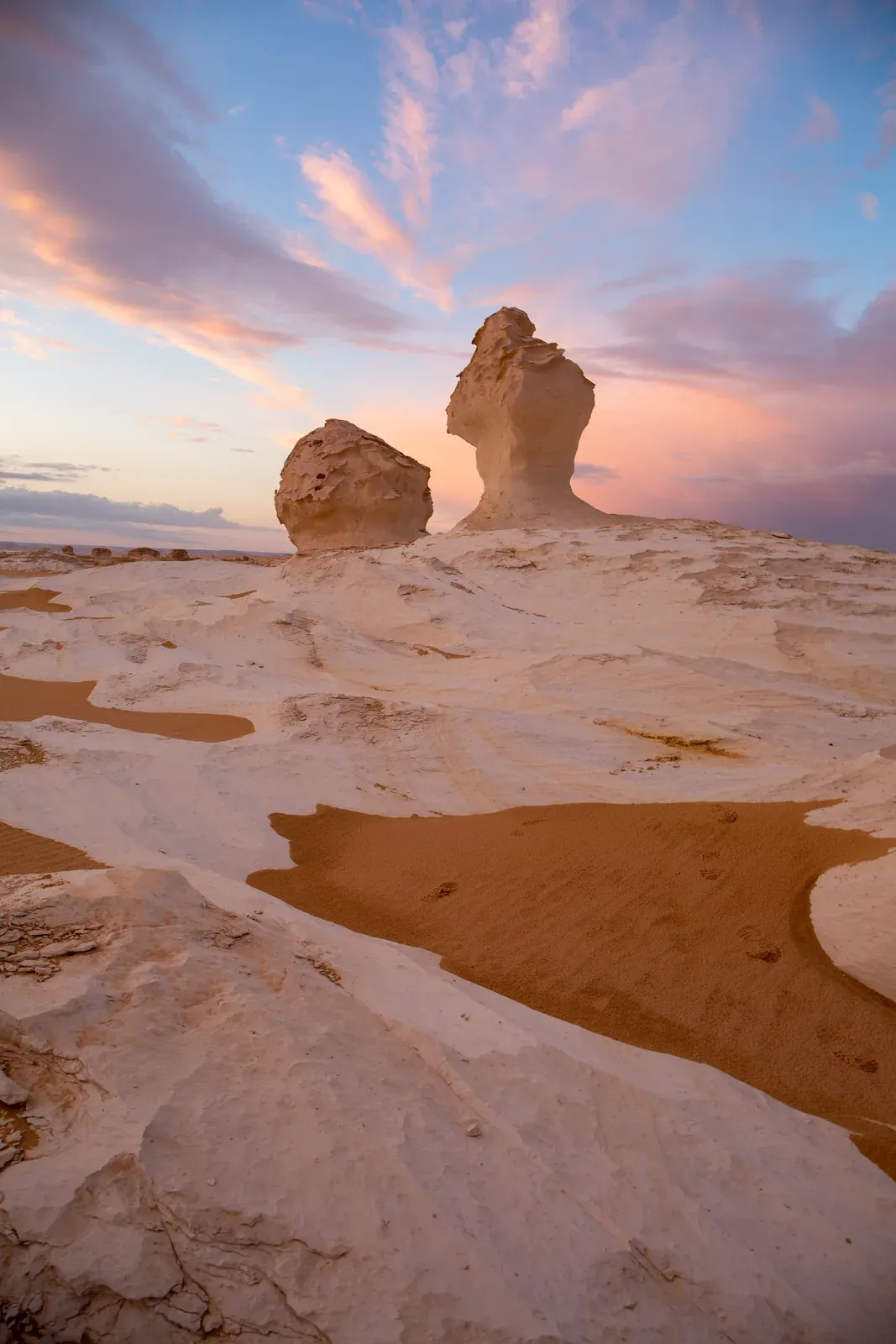
Here the three governments differ most. The UK advises against all but essential travel west of the Nile Valley and Delta, but excepts, among others, the Faiyum, Siwa (via the Marsa Matruh road), the White and Black Desert and the oases of Bahariya, Farafra, Dakhla and Kharga. Visitors to Bahariya, Farafra and the White and Black Desert "must apply for permits in advance and use an official guide", and the Bahariya to Siwa road is closed. Canada advises against all travel west of the Giza, Luxor, Aswan and Abu Simbel road, including Dakhla, but excepts the White and Black Desert, Bahariya, Farafra and Siwa when reached by named roads. The US says Do Not Travel unless you go with a professionally licensed tour company.
How to keep up with the advice
- Before you book: read your own government's page in full, including the regional section, and check that your planned route avoids every area it advises against.
- Before you fly: read it again. The FCDO offers email alerts when its Egypt page changes, and Canada offers registration for Canadians abroad and a Travel Smart app.
- During the trip: follow local media and the instructions of local authorities, and avoid demonstrations and large gatherings. The FCDO and the US both warn that critical posts about the government on social media may lead to detention.
Checkpoints, police and your passport
Checkpoints are a routine part of road travel in Egypt. The FCDO says police "check ID regularly and will ask to see your passport" and "may detain you if you cannot show your ID and your visa (or a digital/paper copy)". Carry your passport and proof of your visa, including a digital or paper copy of the visa. Stop when asked and follow officers’ instructions calmly. Our guides to police checkpoints in Egypt and to travelling safely between cities explain what a stop looks like.
Crime, scams and touts
The FCDO describes the crime rate as "generally low" and pickpocketing as rare. The US says most crimes against foreigners are crimes of opportunity, and Canada says bag snatching and pickpocketing happen most often in tourist locations and on the metro. The more common annoyance is pressure selling: the FCDO says "scammers and touts sometimes target foreign nationals" in tourist areas, and the US warns of overcharging.
- Agree prices for camel rides, carriages, taxis and photos before you start, and be wary of unsolicited "helpers" at ticket gates.
- Book excursions and drivers through reputable, approved operators, as the UK and Canadian advice recommends.
- Ask before photographing people. The FCDO cites Ministry of Tourism rules requiring an Egyptian citizen's written permission for a photo, and photographing military sites is illegal. Drones need prior Ministry of Defence permission.
For the Giza plateau in detail, read our guide to tourist scams at the Pyramids of Giza.
Advice for women travellers
The US and Canada both describe harassment of women, including foreigners, from comments to unwanted touching. The FCDO reports that most sexual assaults reported to the British Embassy took place in Red Sea resorts, often by someone the victim had already met, including hotel workers and excursion staff. Its advice includes not letting hotel staff into your room when you are alone, sharing your driver, trip and live location with a friend if you take a taxi alone, and not giving out personal contact or social media details. Canada adds that women should not sit in a taxi's front seat. Our planning guide to Egypt tours for solo female travellers covers this in more depth.
Road safety and getting around
Roads are one of the most practical risks for visitors. The FCDO says accidents are common "because of variable road conditions, dangerous driving and poor traffic law enforcement" and advises against driving outside main cities and resorts at night. Canada notes that many taxis have no rear seatbelts, advises avoiding microbuses and recommends vehicles and drivers from reputable travel agencies. Both mention serious rail and ferry accidents, and the FCDO adds that overcrowding and poor safety standards have caused accidents on Red Sea ferries and Nile cruises, so choose established operators. Our guide to public transport in Egypt covers the options in more detail.
Heat, water and health
- Water: the UK's TravelHealthPro service advises drinking water that is "boiled, filtered or bottled", and avoiding wading, swimming or bathing in fresh water, which includes the Nile, because of schistosomiasis. Sea water and chlorinated pools are not a risk for it.
- Heat: Upper Egypt and the desert are very hot in summer. Visit open-air sites early, carry water, wear a hat and sunscreen, and rest at midday.
- Medicines: the FCDO says some medicines are controlled in Egypt and may need Ministry of Health permission; carry a doctor's letter for prescriptions.
- Vaccines: check recommendations at least eight weeks before you travel. Our health guide on vaccinations for Egypt explains the options.
Emergency numbers
The UK FCDO lists these emergency numbers for Egypt: ambulance 123, police 122, tourist police 126 and fire 180. Egypt's National Telecom Regulatory Authority also lists 112 for general emergencies. Save these numbers in your phone before you travel. The FCDO says to report any crime to the tourist police before you leave Egypt, because prosecution is difficult afterwards.
Travel insurance
The FCDO warns that insurance "could be invalidated" if you travel against its advice. The US says emergency and intensive care facilities are limited and ambulances rare and unreliable in most areas, and Canada recommends cover for medical evacuation and hospital stays. For activities, the FCDO says Red Sea dive operators' standards "vary considerably", air or sea rescue "can cost more than 4,000 US dollars per hour", and diving below your policy's depth limit invalidates your cover. Check that your policy covers your itinerary and every activity you plan.
A calm, prepared approach
The FCDO says plainly that "no travel can be guaranteed safe". What the advice does give you is a clear map: the main tourist areas are open to travel with sensible precautions, while specific regions are best left off your route. If you would rather have a route, private transport and a dedicated Egyptologist guide arranged for you, see our tailor-made Egypt tours.