Don't let hidden costs ruin your trip! Our guide to your backpacking Egypt budget per day 2026 reveals exact hostel prices, cheap food, and taxi survival tips.
You have likely read the outdated travel blogs and watched the viral TikToks claiming that Egypt is a practically free backpacker’s paradise where you can live like royalty for just ten dollars a day. Here is the brutal, unfiltered truth for 2026: if you do not strictly manage your backpacking egypt budget per day 2026, aggressive street hustlers, heavily inflated “tourist menus,” and hidden transportation fees will literally burn through your entire weekly cash supply in just 48 hours.
Egypt remains one of the most mesmerizing, historically profound, and culturally rich destinations on the planet. But as global tourism surges and the Egyptian economy experiences complex shifts in currency valuation, the landscape for independent budget travelers has dramatically changed. The days of showing up at the airport without a plan, winging your itinerary, and expecting bottom-barrel prices are definitively over. Today, highly-rated hostel beds in Cairo and Luxor are selling out months in advance due to unprecedented demand. If you wait until you land to figure out your logistics, you will be forced into overpriced, substandard hotels and predatory taxi rides, instantly ruining your financial peace of mind.
So, exactly how much money do you need to survive and thrive without constantly looking over your shoulder? For a comfortable, safe, and culturally immersive trip in 2026, you must plan a baseline budget of $43 to $75 USD per day.
In this hyper-detailed, relentlessly honest guide, we are stripping away the guesswork. As veteran travel experts who navigate the micro-economy of Egypt daily, we will break down the exact, to-the-penny costs of dorm beds, authentic street food, and rising monument tickets. We will expose the financial traps that snare first-timers, and show you exactly how to allocate your funds to experience the magic of the Pharaohs without going bankrupt.
Quick Snapshot: 2026 Daily Budget Breakdown
To help you stop stressing and start planning, review this baseline snapshot. These figures represent a highly realistic backpacking egypt budget per day 2026 for a solo traveler staying in clean, safe dormitories, eating a mix of street food and cheap local cafes, and utilizing public transit.
| Expense Category | Daily Cost (USD) | The 2026 Reality Check |
|---|---|---|
| Accommodation | $12 – $20 | A bed in a highly-rated, central hostel dorm. Must book early! |
| Food & Drink | $8 – $15 | Local street food (Koshary/Falafel) + sealed bottled water. |
| Transportation | $5 – $10 | Metro tickets, local microbuses, or short, metered Uber rides. |
| Sightseeing | $15 – $25 | Entry to 1 or 2 major monuments. (Prices rise annually). |
| Scams/Tips Buffer | $3 – $5 | Daily baksheesh for bathroom attendants, bellhops, etc. |
| Total Daily Budget | $43 – $75 | Comfortable, low-stress backpacking without starving. |
Accommodation: The Hostel Scarcity Crisis
Your largest fixed expense will be where you sleep. A massive mistake backpackers make is assuming they can simply walk into a hostel in downtown Cairo and grab a cheap bed on arrival. In 2026, with global tourism to Egypt peaking, the best-rated budget hostels are facing a severe scarcity crisis. If you don’t book ahead, you will be forced into dingy, un-air-conditioned rooms in questionable neighborhoods, or expensive mid-range hotels that shatter your carefully planned spreadsheet.
The Hostel Scene ($12 – $20/night)
In downtown Cairo (near Tahrir Square) and on the West Bank of Luxor, a clean, air-conditioned dorm bed with a secure locker costs between $12 and $20 USD per night. These hostels almost always include a basic Egyptian breakfast (pita bread, feta cheese, boiled eggs, and black tea) which helps you save on morning food costs. More importantly, good hostels offer a vibrant community. This is where you find other independent backpackers to split the cost of a private taxi to remote, hard-to-reach sites like the Dahshur pyramids or Abydos temple.
Avoid the Lodging Crisis
If the thought of hunting down safe, hygienic budget accommodation in a foreign language sounds exhausting, consider utilizing our Egypt tour packages where vetted, secure lodgings are pre-arranged at wholesale rates, saving you both time and intense frustration.
Budget Private Rooms ($30 – $50/night)
If you are traveling as a couple or simply hit your absolute limit with snoring dorm-mates, budget private rooms are incredibly accessible. For around $35 USD, you can secure a private double room with an en-suite bathroom in a 2-star or 3-star local hotel. While the decor might be heavily stuck in the 1980s, the privacy, quiet, and private shower are often worth the slight upgrade in your daily spend.
Food & Drink: How to Eat Safely for $10 a Day
The fastest way to drain your wallet in Egypt is eating at restaurants with English-only menus stationed directly outside tourist sites like the Pyramids or Karnak Temple. Their prices are artificially inflated by 300% to 500% specifically for tourists. You can eat like an absolute king for mere pocket change, provided you embrace the vibrant, chaotic, and delicious world of Egyptian street food.
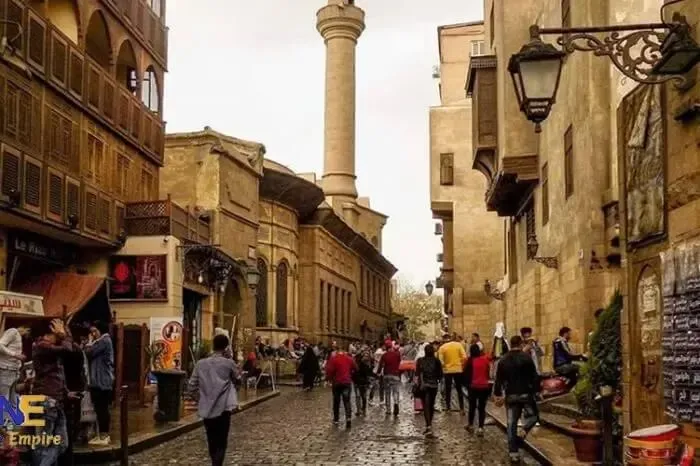
The Pain Point: The fear of “Pharaoh’s Revenge” (severe food poisoning) drives many backpackers to overpay for mediocre hotel food. The secret to safe street food? Only eat where the locals are queueing out the door. High turnover means the food is fresh and constantly moving. If you are nervous about taking the leap alone, dip your toes into the culture with a safe, guided tour to El Moez Street & Khan Elkhalili Bazaar where a local expert picks the best, most hygienic spots.
- The Koshary Staple: The undisputed champion of the Egyptian working class. It is a massive, highly caloric, vegan mix of pasta, rice, lentils, and chickpeas, topped with crispy fried onions and a spicy garlic-tomato vinegar sauce. A filling bowl costs roughly 40 to 70 EGP ($0.80 to $1.40 USD). You can literally survive your entire trip on this.
- Falafel (Ta’meya) & Foul: Egyptian falafel is unique because it is made from fava beans, not chickpeas, making it lighter, greener, and fluffier. You can buy hot, fresh sandwiches packed with salad and tahini from morning street carts for less than 25 EGP ($0.50 USD).
- Hydration is Crucial: Tap water in Egypt is not safe for foreigners to drink. You will get sick, and a hospital visit will destroy your budget. You must allocate $1 to $3 USD per day specifically for buying large, factory-sealed bottles of mineral water from local kiosks.
Transportation: Avoiding the Taxi Mafia
Getting around Egypt can be an absolute financial nightmare if you do not understand the system. The classic white street taxis in Cairo and the black-and-yellow taxis in Alexandria are infamous for refusing to use meters for foreigners, leading to aggressive haggling, extortionate pricing, and ruined afternoons.
City Transit (The Savior: Uber)
In Cairo, the Metro system is your best financial friend. It is incredibly cheap, heavily guarded, very clean, and extremely fast (it bypasses the legendary, gridlocked Cairo street traffic). A single ticket costs roughly 10 to 20 EGP (less than $0.40 USD) depending on the number of zones you travel.
For routes the Metro does not cover, you must use Uber or InDrive. Do not hail cabs on the street. Ride-hailing apps provide fixed, transparent pricing in local currency upfront, completely eliminating the stress of negotiation and the risk of being overcharged. A 30-minute Uber ride across the city rarely exceeds $4 to $6 USD.
Intercity Travel: The Sleeper Train Trap
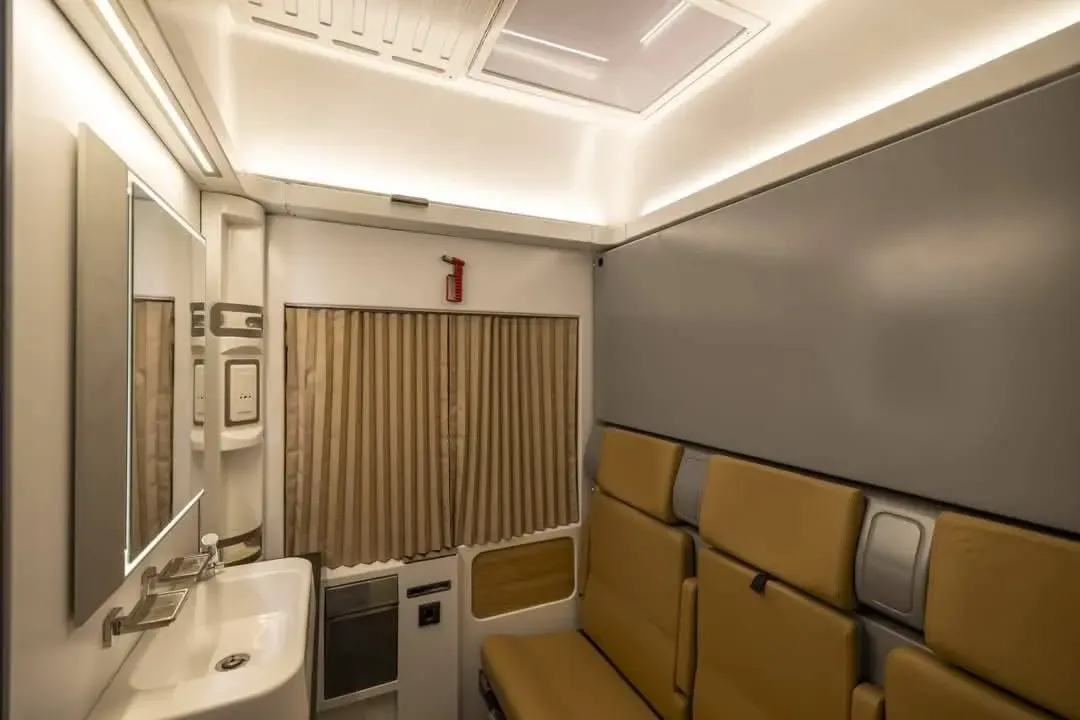
Moving from Cairo south to the ancient wonders of Luxor or Aswan is where many budgets die a swift death. Backpackers often assume they must take the famous Egypt sleeper trains to travel overnight. While romantic and convenient, these tourist-only trains cost upwards of $90 to $130 USD for a single one-way ticket in 2026.
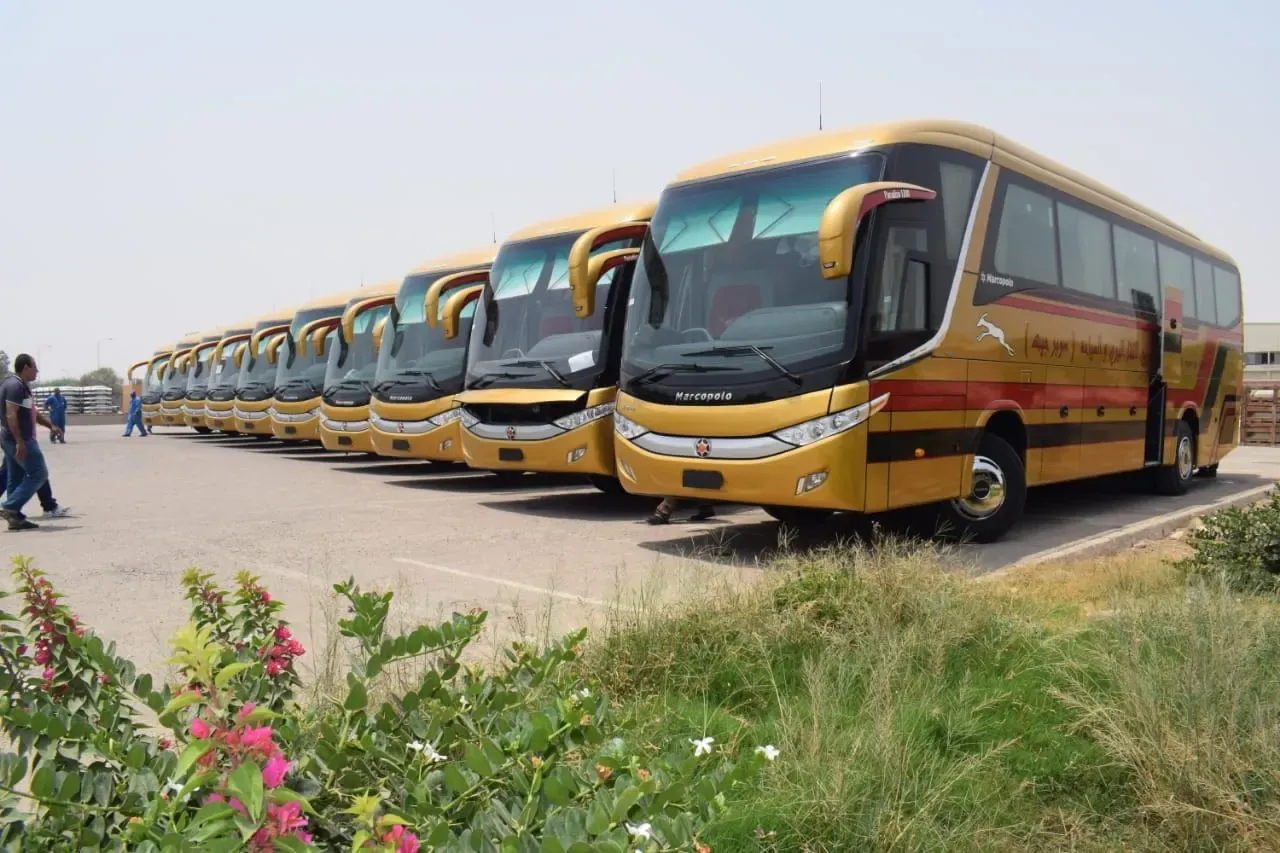
The Budget Alternative: Book a seat on the standard 1st or 2nd class “AC VIP” trains used by middle-class locals. A highly comfortable, air-conditioned 1st class reclining seat for the journey of about 10 hours to Luxor costs roughly $20 to $30 USD. Alternatively, modern coach bus companies like GoBus offer excellent service with Wi-Fi and air conditioning for around $15 USD per leg.
Skip the Transport Nightmares
If the thought of spending about 10 hours sitting upright on a freezing local train or fighting off aggressive taxi drivers at the Ramses station makes you want to cancel your trip, you don’t have to suffer. Plan a tailor-made trip and we arrange the transport between your stops. We handle the complex, exhausting logistics; you just show up and enjoy the magic of the ancient world.
Sightseeing: Rising Ticket Costs & The ISIC Hack
Your biggest, unavoidable daily expense will be monument tickets. You did not fly all the way to Egypt to sit in a hostel. The Egyptian government has steadily increased entrance fees over the last few years, and crucially, they now require payment by credit card or debit card at the gate (physical cash is largely phased out at major archaeological sites).
Here is what to budget for at the major sites (prices change, so check the current ticket prices on the official ticket site before you go):
- Giza Pyramids Complex: The general area ticket covers the plateau grounds only (open 8:00 AM to 4:00 PM). Going inside the Great Pyramid is a separate ticket, as are the Khafre and Menkaure pyramids and some tombs.
- Valley of the Kings: The standard ticket covers entry to 3 standard tombs. Premium, famous tombs like Tutankhamun or Seti I require separate, very expensive add-on tickets.
- Karnak Temple: A separate entry ticket.
- Egyptian Museum (Tahrir): A separate entry ticket.
The Ultimate Backpacker Hack: If you are under 30 years old and possess an official International Student Identity Card (ISIC), you are entitled to a massive 50% discount on almost every single monument, temple, and museum in Egypt. This single card can save you a substantial amount during a two-week trip. Do whatever it takes to get this card before you leave home.
Scams & Baksheesh: The Invisible Budget Drainers
Your excel spreadsheet might look absolutely perfect, but if you do not account for the unwritten rules of the Egyptian micro-economy, your funds will evaporate faster than water in the Sahara. To fiercely protect your backpacking egypt budget per day 2026, you must understand two fundamental concepts: scams and tips.
The Art of Baksheesh (Tipping)
In Egypt, tipping is not a reward for exceptional service; it is a mandatory cultural institution. You are expected to tip the person handing you toilet paper in the restroom, the temple guard unlocking a closed door for a better photo, and the person carrying your bag. Always carry a massive wad of small 10, 20, and 50 EGP notes. To fully understand this complex system without overpaying, memorize our definitive guide on exactly how much to tip in Egypt.
The “Free Gift” Scam
If anyone at the Pyramids, a local bazaar, or outside a temple hands you a “free” scarab carving, a piece of papyrus, or places a traditional headscarf on your shoulder “as a welcome gift,” do not take it. The moment you touch the item, they will aggressively demand an exorbitant “donation” (often $10 to $20 USD) and will follow you until you pay. Be polite, firmly say “La, Shukran” (No thank you), keep your hands firmly in your pockets, and keep walking without breaking your stride. Educate yourself fully on the various tourist scams at the pyramids before you set foot on the plateau.
ATM Skimming & Fees
When withdrawing your budget cash, never use shady, freestanding street ATMs. Always stick to official bank ATMs located inside hotels, shopping malls, or secure bank lobbies to avoid skimming devices and terrible dynamic exchange rates. Review our guide on the best ATM for international cards in Egypt to protect your bank account from international fees.
🛑 Stop Guessing. Start Experiencing.
Why risk your hard-earned vacation money on getting scammed, missing trains, or sleeping in terrible hostels? At Nile Empire, we specialize in curating incredible, financially secure itineraries that give you the authentic backpacker adventure with VIP protection. Lock in 2026 prices before inflation hits again.
Conclusion: The Ultimate Value Destination
Constructing a bulletproof backpacking egypt budget per day 2026 is entirely possible, but it requires ruthless discipline and advanced planning. With a target of $43 to $75 USD per day, you can comfortably sleep in highly-rated hostels, devour incredible local street food, and stand in awe before the greatest monuments of the ancient world. Egypt is no longer just for luxury cruisers; it remains a premier, highly affordable destination for the savvy independent traveler willing to learn the ropes.
However, if the thought of navigating chaotic train stations, fighting off predatory taxi drivers, and constantly guarding your wallet sounds like a recipe for a ruined vacation, you do not have to abandon your dream. Let our local experts at Nile Empire construct a customized, highly affordable itinerary. We secure the logistics, block the scammers, and lock in the best rates, so you can focus entirely on the adventure. Reach out to our team today to turn your Egyptian backpacking dream into a flawless, stress-free reality.
Frequently Asked Questions (FAQs)
1. How much money do I need for 2 weeks in Egypt backpacking?
For a safe, comfortable 14-day backpacking trip in 2026, budget between $600 and $1,050 USD. This covers roughly $43-$75 per day for quality hostels, local street food, Uber/metro, and rising major monument tickets. It also provides a vital buffer for an intercity train ticket (Cairo to Luxor) and a budget activity like a desert quad bike ride or felucca sail.
2. Is it safe to eat street food in Egypt?
Yes, absolutely, provided you eat at crowded stalls. Street food like Koshary and Falafel is deeply embedded in the culture and incredibly cheap. The golden rule is to eat where the locals are queueing; a long line means the food is fresh and the turnover is high. However, absolutely avoid drinking tap water or drinks with ice; always buy sealed bottled mineral water.
3. Do I need an ISIC Student Card in Egypt?
Yes, it is the best financial investment you can make for your trip. An official International Student Identity Card (ISIC) grants you a 50% discount on almost every single monument, temple, and museum entrance fee in Egypt. If you are under 30 and eligible, this card will literally save you hundreds of dollars over your trip.
4. Can I use US Dollars to pay for things in Egypt?
While some tourist bazaars and guides accept USD, you must use Egyptian Pounds (EGP) for daily backpacking survival. Street food vendors, local microbuses, and metro ticket booths will not accept foreign currency. Always withdraw EGP from local, secure bank ATMs using a card with no foreign transaction fees to get the best daily exchange rate.