
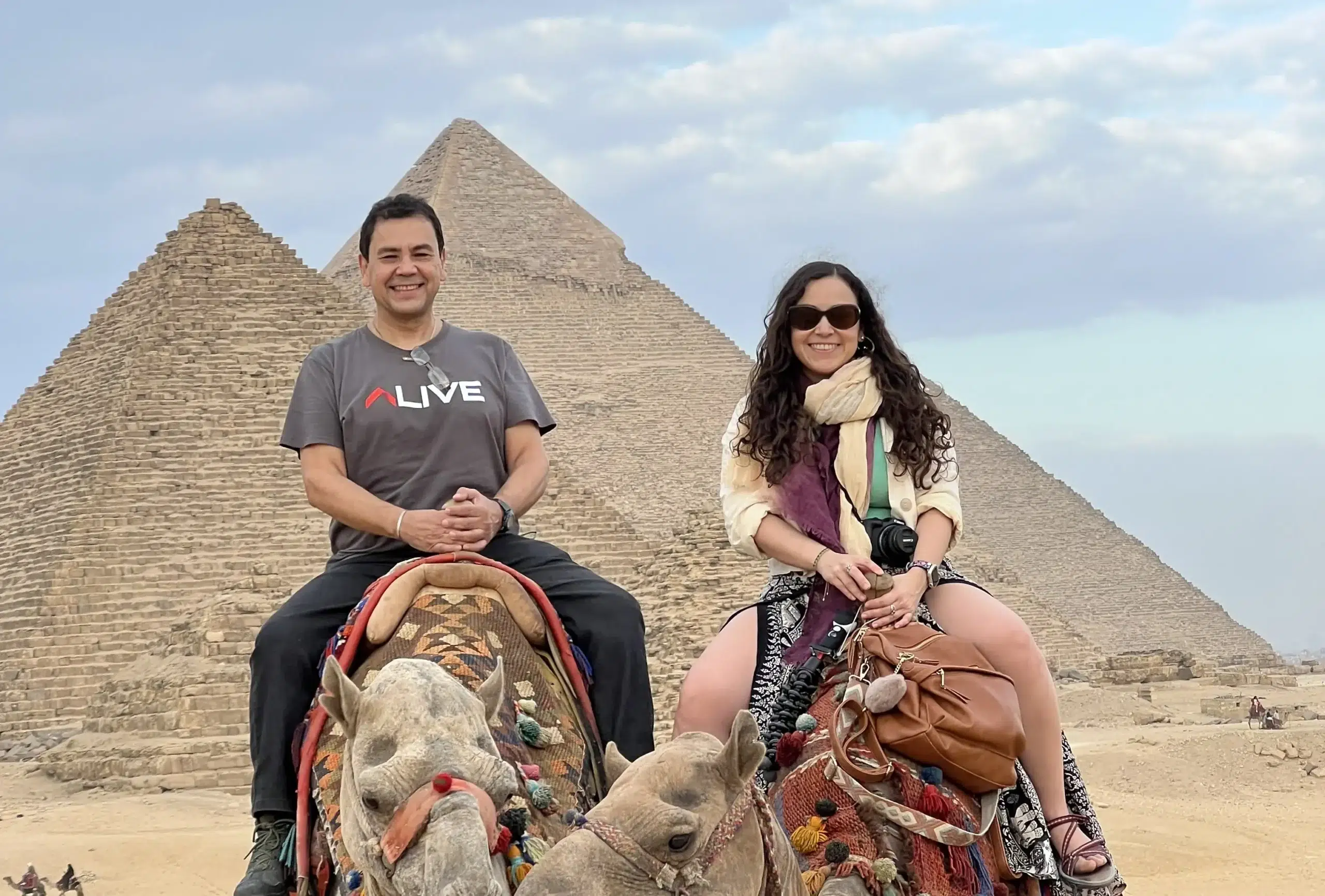
Egypt presents a complex socio-cultural landscape, intricately woven from millennia of Pharaonic history, deeply rooted Islamic and Coptic Christian traditions, and a geographic position bridging Africa and the Middle East. For international visitors arriving in 2026, navigating this environment requires more than logistical preparation; it demands a precise understanding of local customs, legal boundaries, and behavioral expectations. Failing to adhere to the established social etiquette in Egypt can result in varied consequences, ranging from mild social friction to official fines or confiscations.
The primary objective for any traveler is to observe and respect the cultural baseline. The Egyptian societal structure prioritizes community reputation, modesty, and hospitality. Actions that western cultures might view as expressions of individual freedom—such as certain styles of dress, public physical affection, or aggressive photography—are often interpreted as disrespectful within the local context. By understanding exactly what NOT to do, visitors can ensure a culturally immersive and frictionless expedition.
Social etiquette in Egypt refers to the cultural rules and behaviors visitors should follow when interacting with locals. These include modest dress, respectful greetings, avoiding public displays of affection, and asking permission before photographing people.
Quick Snapshot: Crucial Cultural Boundaries
The following table categorizes the absolute boundaries of Egyptian social etiquette, contrasting acceptable behaviors with culturally offensive actions. This data applies universally across the country.
| Category | Acceptable | Unacceptable |
|---|---|---|
| Dress | Covered knees/shoulders | Crop tops, short shorts |
| PDA | Holding hands (married) | Public kissing/hugging |
| Dining | Right hand only | Eating with left hand |
| Photos | Monuments (with permit) | Military/Police bases |
| Shoes | Remove in mosques | Showing soles to locals |

1. Sartorial Guidelines: The Strict Rules of Dress Code
The visual presentation of an individual carries immense weight in Egyptian society. The dress code is not merely a matter of fashion but a direct reflection of respect for the local socio-religious fabric. The rules vary dramatically depending on the specific geographical region.
Urban Centers and Historical Sites
When traversing major metropolitan areas, rural villages, or participating in a Day Tour to Giza Pyramids and the Grand Egyptian Museum, strict adherence to modesty is required. For female travelers, this necessitates clothing that obscures the shoulders, cleavage, and knees. Loose-fitting linen trousers, maxi skirts, and opaque t-shirts are the standard. Male travelers are expected to wear long trousers or tailored shorts extending past the knee. A highly effective strategy for all travelers is to consistently carry a light scarf or shawl in a daypack; it provides instant, respectful coverage for unexpected mosque visits without adding bulk.
The Resort Exception
Coastal enclaves along the Red Sea operate under distinctly different parameters. Within the boundaries of private resorts in destinations like Sharm El-Sheikh or during a Snorkeling Day Trip in Giftun Island, western-style swimwear is entirely acceptable at the beach or pool. However, the moment a tourist leaves the private area to walk down a public promenade, enter a local market, or visit the city center, immediate coverage—such as a t-shirt and shorts—is culturally mandatory.
2. Public Behavior: Decorum and the Law
Egyptian streets are vibrant and communal. However, this outward energy is governed by strict, unspoken rules of public decorum.
Public Displays of Affection (PDA)
The western concept of PDA is incompatible with Egyptian public life. While married couples holding hands is tolerated, kissing, passionate hugging, or sitting on a partner’s lap in public spaces—such as during a Half Day Tour to Giza Pyramids—is deeply offensive. Such actions violate Article 278 of the Egyptian Penal Code regarding public decency. It is important to note that tourists are rarely jailed for minor infractions; however, violations typically result in a stern police warning, a potential fine, and public embarrassment. Only gross indecency leads to severe legal escalation.
Volume and Temperament
Despite the high decibel level of Cairo traffic, expressing anger, shouting aggressively, or causing a public scene is viewed as a severe loss of dignity. If a dispute arises regarding a taxi fare or a vendor’s price, travelers must maintain a calm, quiet demeanor. Escalating a conflict verbally often turns bystanders against the instigator.
3. Navigating the Nuances of Photography
Egypt contains some of the most photogenic monuments on earth. However, photography is a highly sensitive issue heavily regulated by both cultural norms and federal law.
According to the 2022 updates by the Ministry of Tourism and Antiquities, street photography for personal use is permitted. However, critical red lines exist. Before photographing any local citizen, particularly merchants, craftsmen, or children, explicit verbal permission is mandatory. Suddenly raising a camera without asking is considered highly offensive.
Furthermore, it is a severe offense to photograph or record any military installation, police personnel, government buildings, or critical infrastructure (including bridges and dams). Violating this rule—even accidentally during a Cairo Layover Tour—routinely leads to immediate equipment confiscation, deletion of digital files, and potential detainment or fines.
4. The Etiquette of Dining and Hospitality
Food is central to Egyptian hospitality, and dining with locals or eating in traditional establishments comes with specific choreographies.
The Supremacy of the Right Hand
Stemming from Islamic hygiene protocols, the left hand is historically reserved for personal ablutions. Consequently, the right hand must be used for all public interactions. This includes eating, passing food, handing over currency, and waving greetings.
Accepting Hospitality
If invited into a local home or a merchant’s shop, tourists will inevitably be offered tea or Turkish coffee. Outright refusal is interpreted as a rejection of the host’s goodwill. The correct protocol is to accept the beverage, consume at least a small amount, and express gratitude. If fasting or unable to drink, the guest should place their right hand over their heart and politely explain the limitation.
Comparison: General Tourism vs. Egyptian Etiquette
To contextualize the behavioral shift required, the following table compares standard global tourism behaviors with the specific requirements of Egyptian social etiquette.
| Behavior | Global Norm | Egypt Etiquette |
|---|---|---|
| Gestures | Point with index finger | Open, flat hand |
| Sitting | Crossing legs freely | Never show shoe soles |
| Greetings | Casual handshake/hug | Wait for them to initiate |
| Haggling | Walk away abruptly | Say “La Shukran” politely |
| Alcohol | Open street drinking | Licensed bars/hotels only |

5. The Intricacies of Baksheesh (Tipping)
The concept of Baksheesh is often misunderstood by international visitors as mere begging. In reality, it is a complex socio-economic system rooted in the Islamic concept of charity combined with supplementation for historically low-wage service sectors.
Whether navigating the temples on an Aswan to Luxor Nile Cruise or exploring the capital, Baksheesh encompasses distinct categories: the standard service tip, the convenience fee (for tomb guards reflecting light onto hieroglyphs or bathroom attendants), and alms for the impoverished. For an accurate financial breakdown, travelers should review current data on how much to tip in Egypt.
6. Respecting the Holy Month: Ramadan Etiquette
Visiting Egypt during the Islamic holy month of Ramadan requires strict adjustments from tourists. During daylight hours, the vast majority of the population abstains from food, water, and smoking. While non-Muslim tourists are not required to fast, consuming food, drinking water, or smoking in plain sight on the street is considered highly insensitive. Tourists should consume meals inside designated hotel restaurants or discreetly away from public view. As sunset approaches (Iftar), traffic becomes erratic; travelers should avoid road transit during this specific hour to respect the etiquette of visiting Egypt during Ramadan.

3 Practical Takeaways for Immediate Compliance
- Maintain Conservative Attire Actively: Dress conservatively in streets and historical sites. Always carry a light shawl or scarf in your bag; it is better to have immediate coverage than to face social friction or be denied entry to a site.
- Always Seek Photographic Consent: Before photographing any person, ask for permission first. Drawing a camera suddenly causes offense. Furthermore, completely avoid photographing any police, military, or government buildings to prevent equipment confiscation.
- Master the Art of Baksheesh: Always carry small cash denominations (such as 10 and 20 EGP notes). Deliver the tip quietly and seamlessly using the right hand. This demonstrates practical respect and functional understanding of local commerce.
Conclusion
The social etiquette of Egypt is designed to preserve a socio-cultural identity that has survived for centuries. By dressing modestly, suppressing public displays of affection, managing photography with acute sensitivity, and mastering the subtleties of the right hand, travelers transition from mere observers to respected guests. Those who invest the effort to understand what NOT to do—and follow simple rules like carrying a scarf and asking before taking photos—will undoubtedly experience the unparalleled depth of Egyptian hospitality without encountering legal or social complications.
Frequently Asked Questions Regarding Egyptian Social Etiquette
Can tourists wear shorts in Egypt?
Male tourists can generally wear knee-length shorts in coastal resorts and modern urban areas, though long trousers are preferred in rural areas and mandatory in mosques. Female tourists should avoid short shorts entirely outside of private resort beaches, opting instead for loose trousers or skirts that cover the knees to respect local modesty standards.
Is it rude to decline food or tea from an Egyptian host?
Declining an initial offer of food or tea can be perceived as slightly impolite, as hospitality is a cornerstone of Egyptian culture. The cultural norm dictates accepting the hospitality, taking at least a few sips or bites, and placing the right hand over the heart while expressing gratitude (“Shukran”) if unable to finish it.
What is the legal stance on public displays of affection (PDA) in Egypt?
Public displays of affection beyond a married couple holding hands are strictly prohibited by social norms and fall under legal statutes regarding public decency. While tourists rarely face jail for minor infractions (usually receiving warnings or fines), kissing or passionate embracing in public spaces is unacceptable.
How should a tourist handle the concept of Baksheesh?
Baksheesh functions as both a tip for services rendered and a charitable cultural practice. Tourists should carry small denominations (such as 10 or 20 EGP notes) to discreetly tip bathroom attendants, drivers, and site guards for actual assistance. It should be handed over quietly, using the right hand.

