Lesser-known Luxor: Medinet Habu, Deir el-Medina, the Tombs of the Nobles, the Ramesseum, Nefertari and quiet corners of Karnak, plus Dendera and Abydos as day trips.
Most first visits to Luxor follow the same route: Karnak and Luxor Temple on the East Bank, then the Valley of the Kings, the temple of Hatshepsut and the Colossi of Memnon on the West Bank. Those headline sights have their own page, our guide to Luxor's main attractions. This guide covers what lies around and between them: temples, tombs and small museums of ancient Thebes that many visitors skip, and that are easy to add once you know they are there.
Every site below is in Luxor and appears in the Luxor section of the Ministry of Tourism and Antiquities ticket list, except Dendera and Abydos at the end. Those two are full-day trips north of the city, in Qena and Sohag governorates, and are labelled as such.
Medinet Habu: the temple of Ramesses III
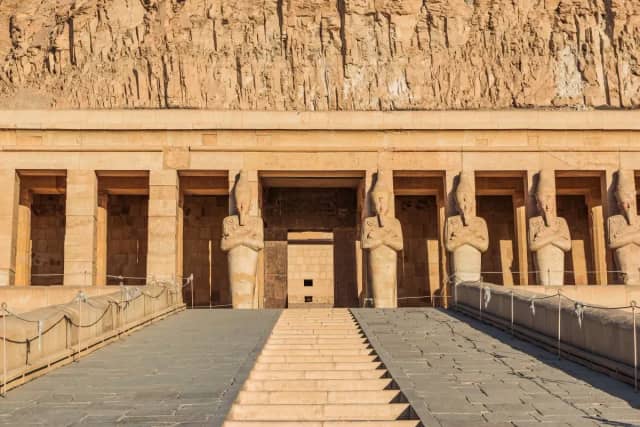
Medinet Habu is the mortuary temple of Ramesses III, who reigned around 1184 to 1153 BC. The Ministry describes it as an architectural masterpiece because of its beauty and its good state of preservation. You enter through the fortified High Gate, also called the Gate of Ramesses III, and the temple walls show the king in military scenes, including his campaigns against the Libyans and the Sea Peoples. Inside the enclosure you also find the remains of a royal palace, storehouses and temple administration buildings. It has its own ticket, so it is easy to add to a standard West Bank day.
Deir el-Medina: the village of the tomb builders
The craftsmen who cut and decorated the royal tombs did not live in the Valley of the Kings. The Ministry describes Deir el-Medina as the village of the workmen and artists who made those tombs, and it lists "the town and tombs of the workmen of the royal tombs" among the monuments of Ancient Thebes, inscribed as a UNESCO World Heritage Site in 1979. You see the remains of the settlement and the tombs its workers made for themselves nearby.
Tickets work in two parts: the Ministry sells a Deir el-Medina ticket and a separate ticket for the Tomb of Pashedu, so decide before you reach the ticket window whether you want both.
The Tombs of the Nobles
The Theban hills also hold the tombs of officials. In the Ministry's words, "hundreds of tombs of the Theban nobility are spread over several sites such as Sheikh 'Abd al-Qurna, while the royal tombs are located further west, in the Valley of the Kings."
These are not sold as one site. The Ministry's ticket list has separate tickets for individual tombs or pairs of tombs, including:
- the Tomb of Ramose
- the Tombs of Menna and Nakht
- the Tombs of Rekhmire and Sennefer
- the Tombs of Userhat and Khonsu
- the tomb groups at al-Khokha, al-Asasif and Qurnet Murai
Pick one or two rather than trying to see everything, and check on the day which tombs are open.
The Ramesseum
The Ramesseum is the funerary temple of Ramesses II (around 1279 to 1213 BC), built of sandstone on the West Bank. Its walls show the king fighting his enemies at the Battle of Kadesh, along with religious and funerary rituals. The temple also held a colossal statue of Ramesses II that the Ministry puts at more than 17 metres high and about 1,000 tonnes. It has its own ticket.
The Valley of the Queens and the tomb of Nefertari
The tombs in the Valley of the Queens are part of the same UNESCO-listed necropolis. The best known belongs to Queen Nefertari, the principal wife of Ramesses II. The Ministry records that it was discovered by the Italian mission led by Ernesto Schiaparelli in 1904, and that in 1986 the Getty Conservation Institute, with the Supreme Council of Antiquities, began restoration work on it.
Plan your tickets carefully here. The Ministry reported that Nefertari’s tomb closed in March 2024 for conservation monitoring. Its older ticket list does not establish current access, so check for an official reopening before planning to enter the tomb. If you also want the tomb of Seti I in the Valley of the Kings, compare the cost of single tickets with a Luxor Pass, explained in our Cairo Pass vs Luxor Pass guide.
Howard Carter's House
The British archaeologist Howard Carter designed and built this mudbrick house in 1910, sited for his work in the Theban necropolis and the Valley of the Kings. It was his home when he and his team discovered the tomb of Tutankhamun in 1922. According to the Ministry, the house has a domed central hall, two bedrooms, work spaces, a photographic darkroom and servants' quarters; it became a museum in 2009, and a replica of Tutankhamun's tomb made by Factum Arte was installed in the grounds in 2014.
The temple of Seti I at Qurna
Seti I (around 1294 to 1279 BC) was the second king of the Nineteenth Dynasty and the father of Ramesses II. His memorial temple at Qurna appears in the Ministry's Luxor ticket list as the "Temple of Sety I", and the official online ticket site groups it with the Tombs of the Nobles. Do not confuse it with two other places that carry his name: his tomb in the Valley of the Kings (KV17), which has its own ticket, and his temple at Abydos, described below.
On the East Bank: Karnak's Open-Air Museum and the Precinct of Mut
Even Karnak has corners most visitors miss. The Open-Air Museum inside the complex displays ancient chapels, including the White Chapel of Senusret I and several New Kingdom chapels. The Franco-Egyptian Centre for the Study of the Temples of Karnak (CFEETK, a joint CNRS and Ministry centre) announced in October 2024 a project running to 2026 to renovate it, with new trilingual signage, improved access and a new area for the rebuilt limestone monuments of Amenhotep I. The Ministry's published ticket list does not show the Open-Air Museum as a separate ticket, but arrangements can change during the works, so ask at the Karnak entrance.
South of the main temple lies the Precinct of Mut, the goddess the Ministry describes as Amun's wife. It is part of Karnak but is ticketed separately as the Temple of Mut.
Luxor Museum and the Mummification Museum
Two small museums on the Nile corniche balance the open-air sites. The Ministry lists both with a morning session and an evening session rather than one continuous day, which makes them a good choice once the temples have closed. The Luxor Museum also offers an audio guide, listed as a separate ticket. Our Luxor Museum and Mummification Museum tour combines the two in about three hours.
Day trips outside Luxor: Dendera and Abydos
These two temples are not in Luxor, and it is worth being clear about that: Dendera is in Qena governorate and Abydos is in Sohag governorate, both north of the city.
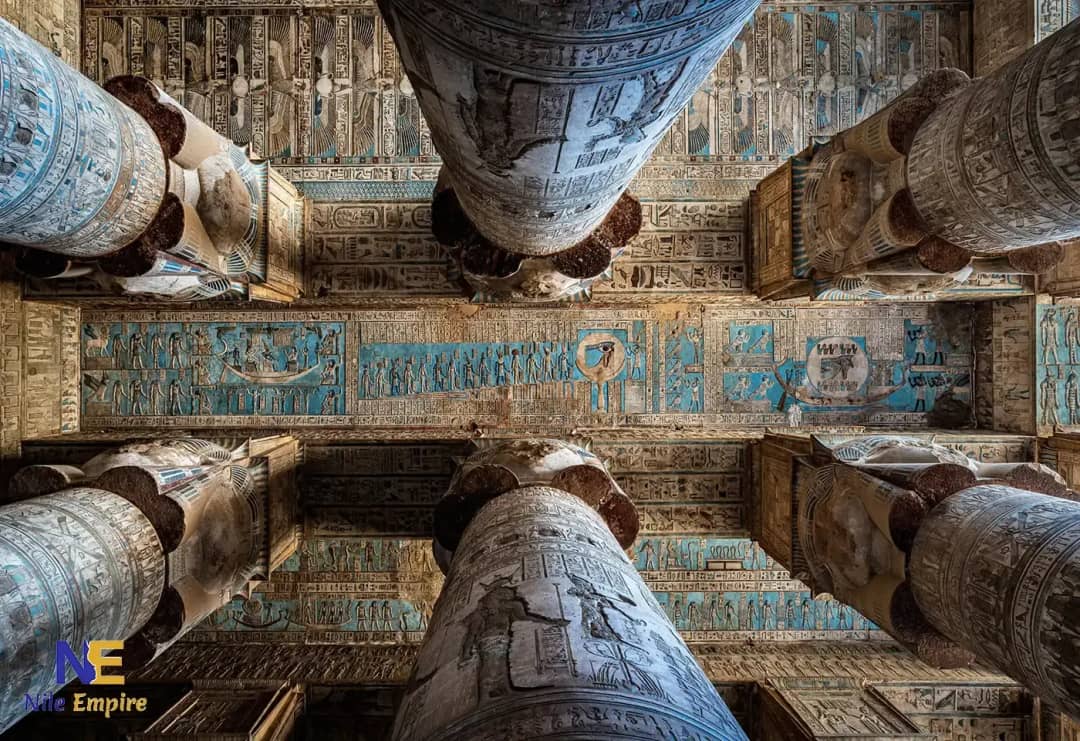
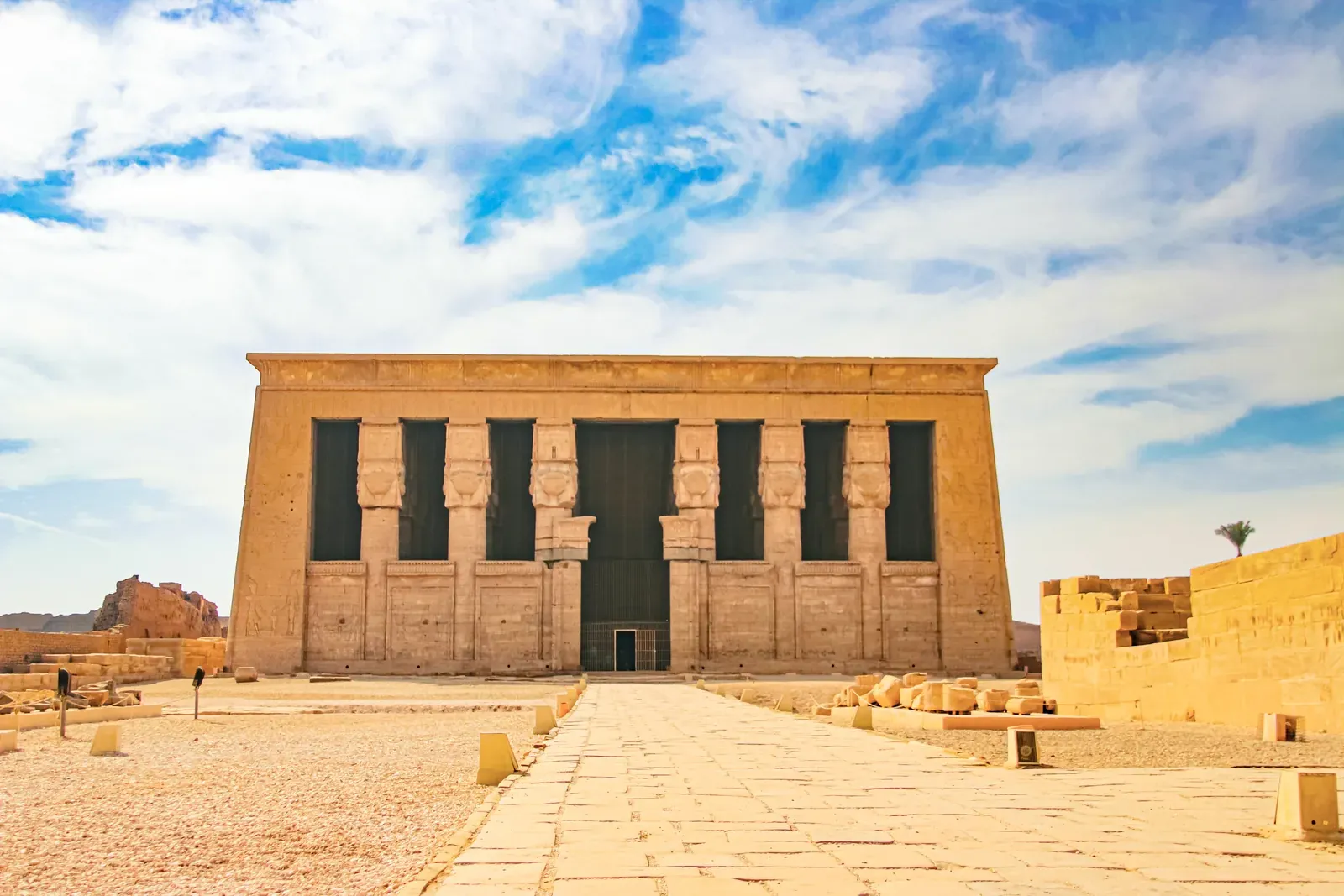
Dendera. The temple of Hathor dates to the Ptolemaic Period, although the Ministry notes evidence of older buildings on the site going back to King Pepy I of the Old Kingdom. Its entrance, with six massive columns topped by the head of Hathor, is in the Ministry's words "among the most beautiful monuments in Egypt", and its ceilings carry astronomical engravings. The roof view is sold as a separate "Panorama of the Roof" ticket.
Abydos. The Ministry lists the Temple of Sety, also called the Temple of Abydos, in Sohag governorate. It was built for Seti I, the same king as the temple at Qurna, and the Ministry reports the completed restoration of a chapel dedicated to Amun-Ra inside it.
Our private Dendera and Abydos temples tour leaves from your Luxor hotel with an Egyptologist guide and takes approximately 9 to 10 hours; entrance fees are paid separately.
Quick comparison
| Site | Where | Best for | Ticket note |
|---|---|---|---|
| Medinet Habu | West Bank | Battle reliefs, the High Gate and palace remains | Own ticket |
| Deir el-Medina | West Bank | Daily life of the tomb builders | Tomb of Pashedu is separate |
| Tombs of the Nobles | West Bank | Tombs of officials rather than kings | Sold per tomb or pair |
| Ramesseum | West Bank | Ramesses II and the Battle of Kadesh | Own ticket |
| Valley of the Queens | West Bank | Queens' tombs; check which are open | Confirm Nefertari’s access status before planning a visit. |
| Howard Carter's House | West Bank | The story of the Tutankhamun discovery | Own ticket |
| Temple of Seti I, Qurna | West Bank | A royal memorial temple | Own ticket |
| Precinct of Mut | East Bank, Karnak | The precinct of the goddess Mut | Separate from Karnak |
| Luxor and Mummification Museums | East Bank, corniche | An evening visit | One ticket each |
| Dendera | Qena, day trip | Hathor temple and astronomical ceilings | Roof panorama is separate |
| Abydos | Sohag, day trip | The temple of Seti I | Own ticket |
Practical tips for visiting
- Buy tickets site by site. Most of these places are ticketed individually, and the official Ministry ticket site, egymonuments.com, lists current prices and opening hours. For an overview of fees, see our Egypt entrance fees guide.
- Start early. The official ticket site shows most West Bank sites opening at 6:00 am, with an earlier last entry in winter than in summer.
- Do not arrive late. The ticket site asks visitors to arrive at least one hour before a site's closing time.
- Photography. The ticket site states that photography with a mobile phone is free of charge.
- Group by area. Medinet Habu, Deir el-Medina and the Valley of the Queens lie close together, so they combine well in one morning, with the Ramesseum or the Tombs of the Nobles on the way back.
Seeing the lesser-known sites with a guide
Nile Empire runs private tours in Luxor with certified Egyptologist guides, and our standard Luxor West Bank tour covers the headline sights. If you would like to build a day around the quieter places in this guide instead, browse our Luxor day tours and tell us which sites you want to include.