
Egypt is a mesmerizing tapestry of ancient wonders, golden deserts, and vibrant modern life. From the iconic silhouette of the Giza Pyramids to the bustling, sensory-rich markets of Khan El Khalili, it is a destination that calls to the adventurous soul. According to international travel safety reports and tourism statistics, Egypt receives millions of visitors annually with a strong security presence at major tourist sites and transportation hubs. But as you meticulously plan your dream itinerary, a crucial logistical question inevitably arises before you even pack your bags: is public transport safe in Egypt for tourists?
If you are mapping out your journey, you need to know if you can confidently navigate the underground metro, board a local train, or if you should rely entirely on private drivers and organized tours. The short answer is highly nuanced. Yes, Egypt is broadly recognized as a safe travel destination, and its extensive public transportation network is utilized by millions of locals every day without serious incident. However, “safe from crime” does not always equate to “stress-free,” “comfortable,” or “easy to navigate” for a foreign visitor.
The reality of getting around in Egypt involves navigating intense traffic, deciphering Arabic signage, dealing with incredibly crowded carriages, and understanding the complex, unwritten rules of local transit etiquette. While violent crime against tourists on public transport is exceptionally rare, the primary concerns are usually petty theft, overwhelming crowds, and getting lost. In this comprehensive guide, we will break down every mode of transportation available, evaluate its safety and practicality, and help you decide the absolute best way to travel between the ancient temples and vibrant cities.

Quick Snapshot: Evaluating Egypt’s Transit Options
Before we dive into the granular details of each transit method, let’s look at a high-level overview. The table below provides a quick snapshot of the primary modes of transportation available to tourists, rating their overall safety, cost-effectiveness, and how easy they are for non-Arabic speakers to navigate.
| Transportation Mode | Safety Rating | Cost Level | Ease of Use |
|---|---|---|---|
| Cairo Metro | 8/10 (Secure but crowded) | Extremely Low | High (English signage) |
| Intercity Trains | 9/10 (Police present) | Medium to High | Medium |
| City Buses | 5/10 (Pickpocket risk) | Extremely Low | Low (Arabic only) |
| Microbuses | 4/10 (Erratic driving) | Very Low | Very Low |
| Uber/Careem | 8.5/10 (GPS tracked) | Low to Medium | Very High |
↔ Swipe table left or right to view details
Deep Dive: The Cairo Metro System
When you are navigating Cairo, the metro is often the fastest and most efficient public transit option available. Serving over 3 million passengers daily, it is one of the oldest and most expansive underground networks in Africa and the Middle East. But is it safe for a tourist? Absolutely, with a few caveats.
The Cairo Metro is heavily guarded. You will notice a strong, visible presence of tourist police and regular security personnel at every station. Furthermore, to enter the platform, your bags must pass through an X-ray scanner, and you must walk through a metal detector. While this might seem intimidating at first, it provides a very high baseline of security against major threats.
The Advantage of Women-Only Carriages
For female travelers, the Cairo Metro offers a brilliant safety feature: dedicated women-only carriages. Typically, the first two cars of every train are reserved exclusively for women. These cars are strictly enforced; male passengers who attempt to board them are swiftly reprimanded by both the authorities and the female passengers themselves. If you are a woman traveling solo or in a group of females, these carriages offer a comfortable, harassment-free environment, shielding you from the intense pushing and shoving that can occur in the mixed carriages during rush hour.
Navigating the Crowds
The primary “danger” on the Cairo Metro is not violent crime, but pickpocketing. During peak commuting hours (8:00 AM to 10:00 AM, and 4:00 PM to 7:00 PM), the carriages become incredibly packed. Tourists are advised to keep their backpacks worn on their chests, secure their smartphones in zippered interior pockets, and remain highly aware of their surroundings. Signage is clearly marked in both Arabic and English, making it relatively easy to figure out your stops.

Traveling Long Distance: Egypt’s Intercity Railway System
If you are planning to travel from the Mediterranean coast down to the heart of Upper Egypt, the railway system managed by Egyptian National Railways (ENR) is a quintessential experience. For tourists asking “is public transport safe in Egypt for tourists,” the intercity train system is a resounding yes, provided you book the right class of ticket.
First Class VIP Trains
For daytime travel between cities like Cairo and Alexandria, the VIP and First-Class seated trains are highly recommended. These carriages are air-conditioned, spacious, and constantly patrolled by train guards. Your luggage is stored above your seat or at the end of the carriage. It is a relaxing, scenic, and remarkably safe way to view the lush agricultural landscapes of the Nile Delta.
The Famous Sleeper Trains
For the long journey from Cairo to Luxor or Aswan (which takes between 10 to 14 hours), Egypt sleeper trains are a highly popular choice. Operated by private companies, these trains offer private, lockable cabins with bunk beds, a sink, and provided meals.
Safety on the sleeper train is excellent. Because cabins are private and lockable from the inside, your belongings are completely secure while you sleep. A dedicated carriage steward is available at all times, and plainclothes security officers often ride the train. The main drawback of the sleeper train is not safety, but rather the age of the rolling stock; some carriages can feel a bit dated, and the ride can be bumpy. However, as a secure, moving hotel that saves you a night’s accommodation cost, it is a fantastic option.

The Chaos of City Buses, Microbuses, and Tuk-Tuks
While the metro and intercity trains score high marks for tourist safety, the local road-based public transport is where the narrative shifts significantly.
Public City Buses
Standard city buses in Cairo and Alexandria are incredibly cheap but generally not recommended for tourists. They do not have fixed timetables, the routes are written exclusively in Arabic, and they rarely come to a complete stop—locals literally jump on and off while the bus is slowly rolling. Pickpocketing is highly prevalent, and the lack of air conditioning makes them overwhelmingly uncomfortable during the sweltering summer months.
Microbuses
Microbuses (small, 14-seater vans) are the lifeblood of working-class Egyptian transit. They zip aggressively through traffic, utilizing complex hand signals from the driver to indicate destinations. Are they safe? From a crime standpoint, mostly yes. From a road safety standpoint, absolutely not. Microbus drivers are notorious for speeding, weaving dangerously between lanes, and ignoring traffic laws. For a tourist carrying luggage, a microbus is an incredibly stressful and risky option.
Long-Distance Coach Buses (Go Bus / Blue Bus)
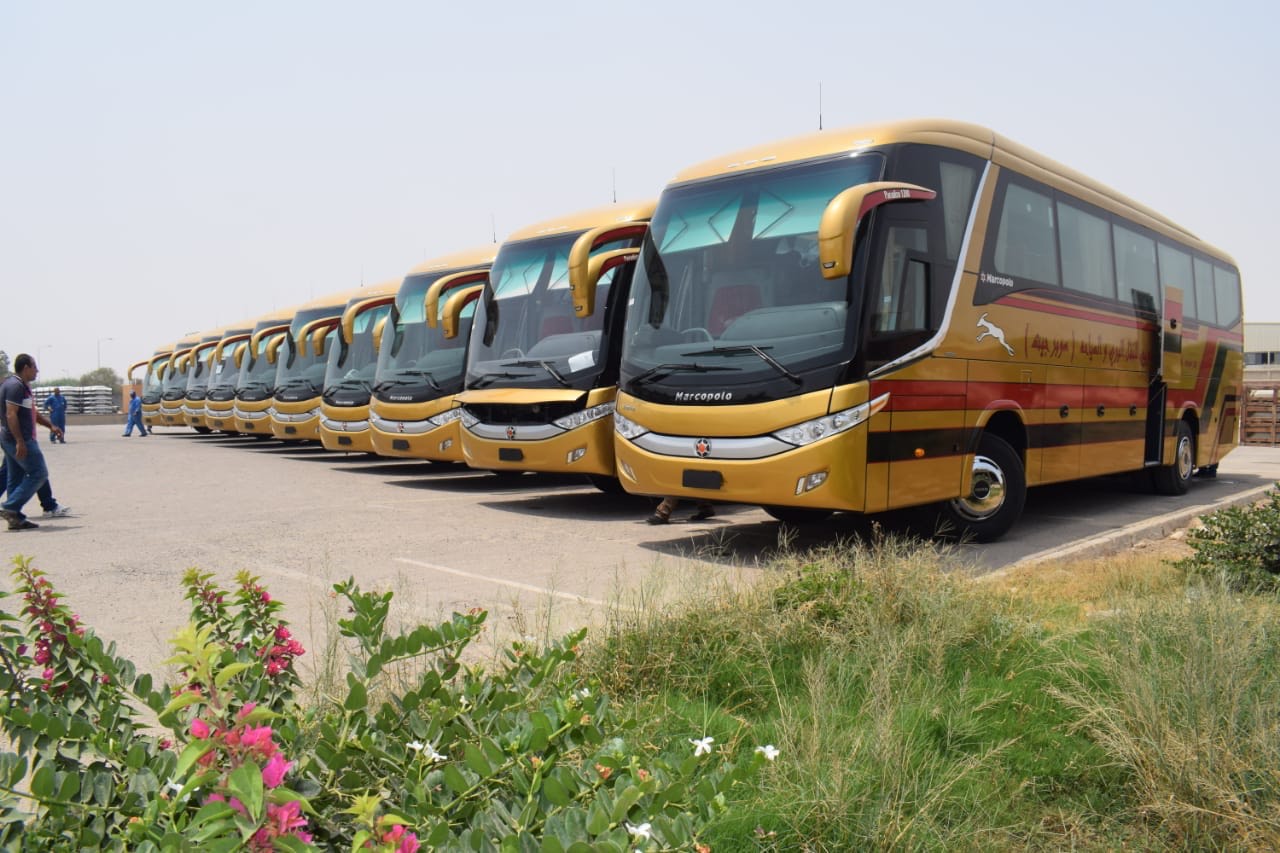
It is important to distinguish local city buses from private, long-distance coach services like Go Bus or Blue Bus. These intercity coaches are modern, air-conditioned, feature assigned seating, and are perfectly safe and comfortable for tourists traveling to destinations like Hurghada, Sharm El Sheikh, or Dahab. They undergo strict security checks at military checkpoints along the desert highways, ensuring a high level of passenger protection.

Is It Better to Use Public Transport or Private Drivers in Egypt?
This is the ultimate question for many travelers comparing options. While public transport offers a highly authentic and budget-friendly way to see the country, it requires a significant investment of time, patience, and navigational skill. Private drivers, on the other hand, offer unparalleled convenience, air-conditioned comfort, and immediate point-to-point service without the language barrier. For short city hops, ride-sharing apps bridge the gap perfectly. However, for full-day sightseeing or traveling between major cities, a private driver is generally considered the vastly superior option for maximizing your limited vacation time and ensuring your safety and comfort.
Comparison: Public Transit vs. Ride-Sharing vs. Private Tours
To truly answer if public transport is safe and practical for your specific needs, let’s compare the three main ways tourists navigate the country. This comparison table highlights the realities of relying on public infrastructure versus upgrading your travel style.
| Feature | Public Transit | Ride-Sharing | Private Tours |
|---|---|---|---|
| Security | Moderate | High | Perfect |
| Road Safety | Low | Medium | High |
| Navigation | Difficult | Easy | Seamless |
| Efficiency | Poor | Good | Excellent |
| Scam Protection | Low | High | Perfect |
↔ Swipe table left or right to view details
Actionable Safety Tips for Using Public Transport in Egypt
If you are an adventurous soul determined to use the public transport network, adhere to these critical safety guidelines recommended by official Egyptian tourism boards and seasoned travelers:
- Dress Conservatively: To minimize unwanted attention and respect local culture, both men and women should dress modestly. Cover shoulders and knees. For women taking the metro or public buses, conservative dress significantly reduces the likelihood of staring or verbal harassment.
- Use the Women-Only Metro Cars: As mentioned earlier, female travelers should always locate the blue “Women Only” signs on the metro platforms and utilize these dedicated carriages.
- Carry Small Denominations: Metro tickets cost mere pennies, and bus drivers cannot break large bills. Always carry 5, 10, and 20 Egyptian Pound notes to pay for fares without flashing large amounts of cash.
- Avoid Rush Hour at All Costs: Cairo’s rush hour is legendary. Avoid taking the metro with luggage between 8 AM – 10 AM and 4 PM – 7 PM. You will physically struggle to get your bags on and off the train.
- Keep Your GPS On: If you are in a taxi or Uber, keep Google Maps open on your phone. Following along ensures the driver is taking a logical route and gives you peace of mind.
- Ignore Unsolicited “Help”: At train stations (especially Ramses Station), locals may approach you offering to “help” you find your platform or carry your bags. Politely but firmly decline. These are often touts looking for an aggressive tip. Only ask uniformed officials for directions.
Why Private Transport is the Ultimate Safety Hack for Tourists
While we have established that the answer to “is public transport safe in Egypt for tourists” is generally positive regarding violent crime, the mental toll of navigating it is incredibly high. You are on vacation to marvel at the Sphinx, decipher hieroglyphics, and sail the Nile—not to stress over missed bus connections, aggressive taxi drivers, or guarding your pockets on a crowded train.
This is precisely why the vast majority of experienced travelers opt for comprehensively planned itineraries. When you book with a reputable, certified agency, you significantly reduce transportation friction. Imagine arriving at Cairo International Airport after a 12-hour flight; instead of haggling with taxi drivers or trying to find an Uber pickup point in the chaotic arrivals area, you are met by a professional representative holding a sign with your name. They whisk you to a modern, air-conditioned private van. This is the incredible value of booking secure airport transfers.

Top-Rated Secure Tour Options
To guarantee a completely secure, door-to-door experience without the stress of navigating local transit, consider these expertly guided options tailored for your peace of mind:
- Egypt travel Packages Tour: Designed specifically with extra safety, comfort, and logistical support in mind for those exploring Egypt.
- Day Tour to Giza Pyramids and the Grand Egyptian Museum: Avoid aggressive street vendors and unmetered taxis with a dedicated, licensed guide and private vehicle.
- Full-Day Tour to Alexandria from Cairo: Skip the crowded intercity buses and travel the desert highway safely in a premium, air-conditioned van.
- Aswan to Luxor Nile Cruise (4 Days / 3 Nights): The ultimate safe, floating-hotel alternative to taking long-distance buses through the rural roads of Upper Egypt.
Conclusion: The Verdict on Egyptian Transport Safety
So, is public transport safe in Egypt for tourists? The conclusion is a solid “Yes, but with caveats.” The Cairo Metro and intercity trains are secure, heavily policed, and highly functional. However, the sheer volume of people, the language barriers, and the chaotic nature of road traffic make public buses, microbuses, and street taxis a highly stressful endeavor for foreigners.
For budget backpackers with plenty of time and patience, navigating the metro and intercity trains is a viable and safe adventure. But for couples, families, older travelers, or anyone looking to maximize their limited vacation time without the anxiety of logistics, relying on Uber for city hops and booking professional guided excursions is undeniably the best approach.
Don’t let transportation worries hold you back from experiencing the wonders of the pharaohs. If you want a flawlessly executed, completely secure, and unforgettable journey, contact our travel experts today to start designing your perfect Egyptian itinerary.
Frequently Asked Questions (FAQs)
1. Is it safe for a solo female tourist to use public transport in Egypt?
Yes, public transport is generally safe for solo female tourists in Egypt if specific precautions are taken. To ensure a secure and comfortable journey, follow these guidelines:
- Use Women-Only Metro Cars: Always board the dedicated front carriages on the Cairo Metro to avoid crowding and harassment.
- Rely on Ride-Sharing: Use Uber or Careem instead of street taxis for GPS-tracked rides and driver accountability.
- Dress Conservatively: Covering your shoulders and knees significantly reduces unwanted attention.
2. Do I need to carry my passport when traveling on Egyptian public transport?
Yes, you must always carry your original passport when using intercity public transport in Egypt. Tourist police and military checkpoints frequently inspect passenger identification on sleeper trains, daytime VIP trains, and long-distance coach buses (like Go Bus) for national security purposes.
3. Can tourists safely use microbuses in Cairo?
No, microbuses are highly discouraged for tourists visiting Cairo. While violent crime is rare, they pose significant logistical and safety risks. Key reasons to avoid them include:
- Reckless Driving: Vehicles often speed, weave between lanes, and ignore traffic laws.
- No Seatbelts: Most microbuses lack basic safety features.
- Language Barrier: Routes are completely unmarked and require Arabic fluency to navigate.
- Overcharging Risk: Tourists are frequently targeted for higher, unmetered fares.
Stick to the metro, Uber, or private tours for a stress-free experience.
4. Are the sleeper trains in Egypt safe from theft?
Yes, the sleeper trains from Cairo to Luxor and Aswan are highly secure against theft. Passengers are provided with private, lockable cabins that can only be opened from the inside. However, it is always recommended to carry your passport, wallet, and valuable items with you when walking through the train to visit the dining car.

