
Don't let your vacation turn into a financial trap. Discover the hidden costs of traveling to Egypt and learn how to manage baksheesh, taxis, and extra fees.
Egypt is frequently marketed as one of the most budget-friendly historical destinations on the planet. And on the surface, this reputation holds true. A quick glance at hotel aggregates and domestic flight prices often yields surprisingly low numbers, enticing travelers to book their dream vacation to the land of the Pharaohs. However, experienced travelers know that identifying the best time to visit Egypt and booking a room is just the beginning. To avoid mid-trip financial stress, you must understand the hidden costs of traveling to Egypt, and the photography rules for tourists.
Quick Answer: What are the hidden costs?
The hidden costs of traveling to Egypt include:
- Extra fees for premium tombs and pyramid access
- Daily tipping (baksheesh) across all services
- Overpriced taxis without working meters
- Aggressive upselling at tourist attractions
The Egyptian tourism economy operates on a multi-layered financial structure. Beyond the predictable expenses of airfare and accommodation, there is a complex web of frequent requests for tips, aggressive upsells, unadvertised entrance fees for specific monuments, and “tourist pricing” matrices. If you arrive in Cairo expecting your daily budget to match the price of your hotel room, you will quickly find your wallet draining faster than anticipated.
Quick Snapshot: Where Your Money Actually Goes
| Expense Category | The Hidden Reality |
|---|---|
| Monument Access | Base tickets rarely include the best tombs or internal pyramid access. |
| Baksheesh (Tipping) | Small tips may be expected for services such as restroom attendance or luggage help. |
| Transportation | Street taxis routinely refuse meters and drastically overcharge foreigners. |
(Swipe table to see details)
The Monument Trap: Base Tickets vs. Premium Access
The most significant source of budget bleed occurs at the ticket counters of Egypt’s major archaeological sites. Independent travelers often calculate their budget based on the general admission price listed online, failing to realize the tiered structure of Egyptian antiquities. For example, entry into the Valley of the Kings only covers a fraction of what most people want to see.
The Valley of the Kings Illusion
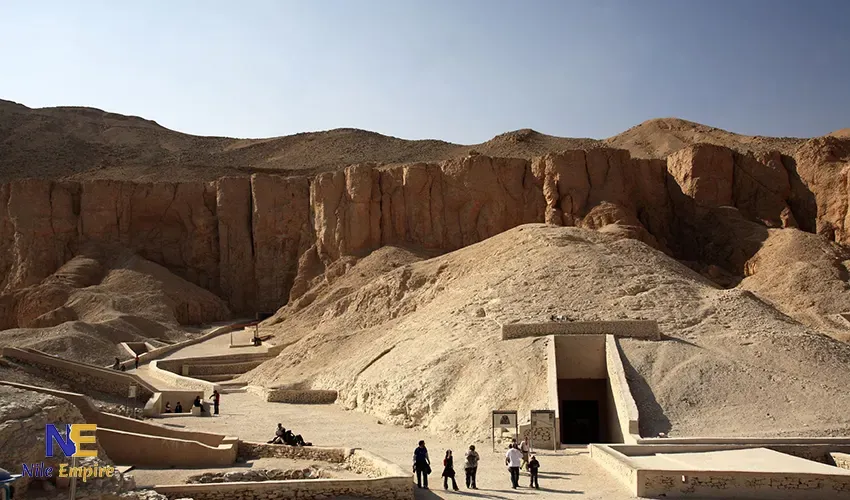
When you purchase a standard ticket to the Valley of the Kings in Luxor, it grants you access to the valley grounds and entry into three standard, rotating tombs. However, it does not include the most famous or spectacular sites. If you wish to see the Tomb of Tutankhamun, the spectacular Tomb of Seti I, or the Tomb of Ramses VI, you must purchase individual, premium tickets for each. The ticket for Seti I alone costs over $35 USD.
Baksheesh: Everyday Tipping
The concept of Baksheesh is deeply woven into the fabric of Egyptian society. Understanding the social side of tipping and negotiation helps. Baksheesh is not merely a reward for exceptional service; it is a pervasive, expected supplement to the extremely low wages of service workers.
Comparison: Independent Travel vs. Package Tours
Many travelers attempt to DIY their Egyptian itinerary assuming it will save them money. Independent travel can still be rewarding with proper planning, but navigating these variables alone requires significant effort and a high tolerance for negotiation.
Our packages include the main entrance fees listed in each itinerary and arrange your transfers; premium tomb tickets and tips are extras. Independent travelers arrange their own transport and tickets.
Stop the Daily Budget Bleed
When you book a Luxury Egypt Travel Package with Nile Empire, the main entrance fees for your itinerary are included in the upfront price, and we tell you in advance which premium tickets and tips are extra.
Conclusion
Egypt remains a highly affordable destination, provided you approach it with financial clarity. The frustration most tourists experience is entirely preventable. By anticipating the tiered ticketing systems at the monuments, preparing for the omnipresent Baksheesh culture, and refusing to engage with unregulated street transport, you protect yourself from the primary sources of budget bleed. Contact Nile Empire today to review our transparently priced 2026 itineraries.
Frequently Asked Questions (FAQs)
1. Are credit cards widely accepted in Egypt?
In 2026, major hotels and government ticket booths require cards, but cash is mandatory for tipping and local markets.
2. Do I have to pay to use my camera at the temples?
No. Personal photography with phones and ordinary cameras is free at archaeological sites and museums; only professional equipment such as tripods or lighting may need a permit. See our photography rules guide.
3. Is the visa on arrival a hidden cost?
It is a mandatory $30 USD fee paid in hard currency (USD/EUR/GBP) before passport control.