
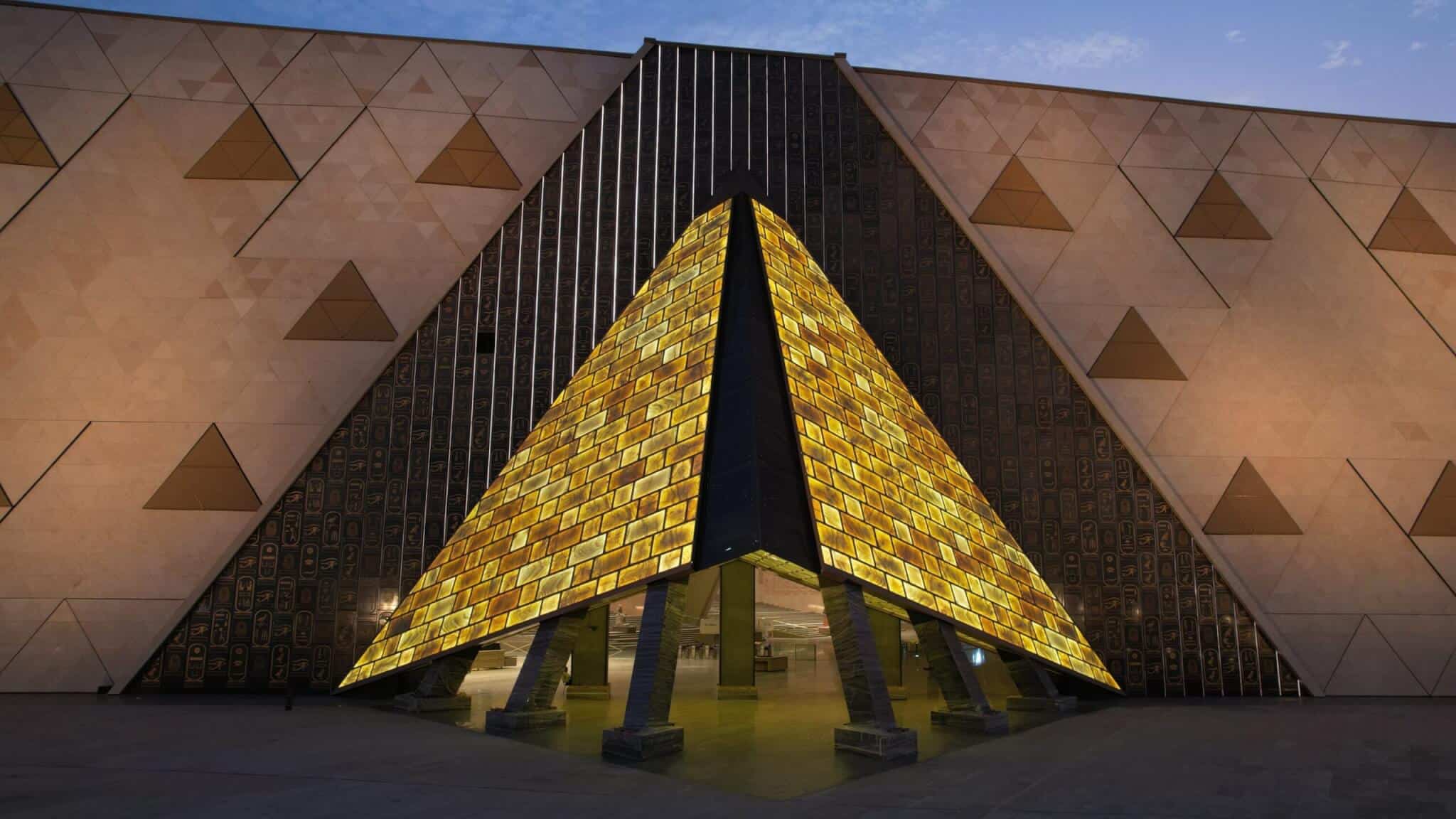
Standing before the massive, angular facade of the Grand Egyptian Museum (GEM) in Giza, just two kilometers from the iconic Pyramids, is an inherently overwhelming experience. Spanning a staggering 500,000 square meters, it is the largest archaeological museum in the world dedicated to a single civilization.
Yes, you can physically visit the Grand Egyptian Museum without a guide. However, practically every travel expert agrees that hiring a licensed Egyptologist is essential. The museum’s enormous size, lack of nuanced storytelling on basic plaques, and complex historical narratives make going solo a massive disservice to your vacation.
As you plan your itinerary to Cairo, the question will inevitably surface: do you need a guide for the Grand Egyptian Museum, or can you just wing it? The short, definitive answer is that a private guide is an absolute necessity, not just a luxury. While the GEM is a massive leap forward from the dusty halls of the old museum, the sheer physical distance you must cover and the depth of the stories behind the artifacts require a human touch to truly unlock the magic of the Grand Egyptian Museum new era.

Quick Snapshot: The Scope of the Grand Egyptian Museum
Before delving into the narrative value of a guide, it is crucial to understand the sheer physical logistics of the building you are about to enter. The table below provides a rapid snapshot of the GEM’s scale and what to expect during your visit.
⏱️ Short on Time? Squeeze in the Magic:
If you only have a few hours in Egypt, do not attempt to navigate the GEM’s logistics alone. Book our Cairo Layover Tour from Cairo Airport. We pick you up directly from your terminal, whisk you through the museum highlights with VIP access, and guarantee you are back in time for your next flight.
The Overwhelm of Scale: Why Navigation is Crucial
If you have ever visited the Louvre in Paris or the Met in New York, you understand the concept of “museum fatigue.” By hour three, every ancient pot begins to look exactly the same. The Grand Egyptian Museum magnifies this phenomenon significantly.
The Grand Atrium and The Ramses Colossus
Your experience begins in a massive atrium bathed in natural light, where you are greeted by an 83-ton, 11-meter-tall statue of Ramses the Great. This was the first artifact moved to the museum. While a solo traveler might take a quick selfie and move on, an expert guide will stop you here. They will explain the complex engineering required to move this behemoth across Cairo, decode the specific cartouches carved into his shoulders, and explain why the ancient sculptors positioned his left foot forward (symbolizing life and power).
Mastering the Grand Staircase
From the atrium, you ascend the Grand Staircase. This is not just a walkway; it is a vertical gallery spanning six floors. It houses dozens of massive sarcophagi, obelisks, and statues of kings and gods. It is designed chronologically and thematically, starting with the physical form of the king at the bottom and ending with the king’s transition into a deity at the top. Without a guide to explain this theological progression, it simply looks like a very long staircase covered in large rocks. A private guide transforms this climb into a theological journey through the ancient Egyptian mindset.

The Tutankhamun Collection: Context Over Gold
The undisputed crown jewel of the GEM is the complete, untouched collection of King Tutankhamun. For the first time since Howard Carter discovered the tomb in the Valley of the Kings in 1922, all 5,000+ artifacts are displayed together in a sprawling 7,000-square-meter exhibition space.
If you are asking do you need a guide for the Grand Egyptian Museum, the Tutankhamun galleries alone are the definitive answer.
Beyond the Death Mask
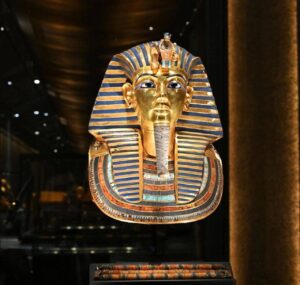
Everyone knows the golden death mask. But what about the other 4,999 items? A digital plaque can tell you that a specific wooden box is made of cedar and ivory. However, an Egyptologist will explain that this box held the young king’s Senet board game, detailing how the game represented the perilous journey through the underworld. They will point out his surprisingly small, orthopedically designed sandals, revealing the physical ailments that plagued the boy-king, humanizing him beyond his golden facade.
👑 See the Boy King the Right Way:
Ensure you don’t miss a single detail of the world’s most famous treasure. Secure your spot on our Day Tour to Giza Pyramids and the Egyptian Museum, where our Egyptologists bring the dramatic history of the Amarna period vividly to life.
Comparison: Solo Exploration vs. Guided Experience
To help you make the best decision for your itinerary, let’s directly compare the experience of wandering the GEM alone versus utilizing a professional guide from Nile Empire.

Combining the GEM with the Giza Pyramids
One of the greatest logistical triumphs of the Grand Egyptian Museum is its location. It sits just two kilometers from the Giza Plateau, connected by a dedicated, modern tourist walkway. This geographical proximity makes it incredibly easy to combine the two greatest highlights of ancient Egypt into a single, epic day.
Attempting to manage the complex logistics of getting to the Pyramids, fending off the persistent street vendors, finding a reliable taxi to the GEM, and then navigating the massive museum alone is a recipe for extreme exhaustion.
🐫 The Ultimate Ancient Adventure:
Pair your deep intellectual dive at the museum with a rugged, outdoor adventure. Book our Half-Day Tour to Giza Pyramids & the Sphinx with Camel Ride for the perfect balance of history and excitement, all managed by your dedicated guide.
Conclusion: Unlock the Magic of Antiquity
So, do you need a guide for the Grand Egyptian Museum? If your goal is merely to walk through a beautiful building and glance at golden objects behind glass, you can undoubtedly enter alone. However, if your genuine objective is to transform a static warehouse of ancient stones into a vivid, breathing narrative of human triumph, complex theology, and unparalleled artistic mastery, an expert guide is non-negotiable.
Do not let 5,000 years of glorious, dramatic history remain silent during your visit. The artifacts cannot speak for themselves. By securing a highly knowledgeable, passionate Egyptologist through our expertly crafted Egypt tour packages, you completely bypass the logistical headaches of Cairo and ensure that your journey through the GEM is insightful, stress-free, and profoundly moving. Contact our travel experts today to secure your private tour and unlock the true magic of antiquity.
Frequently Asked Questions (FAQs)
1. Does the Grand Egyptian Museum have air conditioning?
Yes, the Grand Egyptian Museum (GEM) is fully air-conditioned. Unlike the older Tahrir Square museum, the GEM is a state-of-the-art facility equipped with comprehensive climate control. This provides tourists with a comfortable, cool sanctuary even during the peak heat of the Egyptian summer.
2. Can I take photos inside the GEM?
Yes, you can take photos inside the Grand Egyptian Museum. Mobile phone photography without flash is permitted free of charge in the main galleries. However, visitors using professional DSLR cameras or tripods must purchase a specific photography permit at the entrance.
3. What happened to the Royal Mummies? Are they at the GEM?
No, the famous Royal Mummies are not located at the Grand Egyptian Museum. In 2021, 22 royal mummies—including Ramses the Great and Hatshepsut—were permanently moved to the National Museum of Egyptian Civilization (NMEC) in Fustat. The GEM focuses primarily on the King Tutankhamun collection.
4. How far is the GEM from the Pyramids of Giza?
The Grand Egyptian Museum is located just 2 kilometers (1.2 miles) from the Pyramids of Giza. Because it sits so incredibly close to the Giza Plateau, the museum features massive panoramic windows on the upper floors that provide unobstructed views of the Pyramids.
