
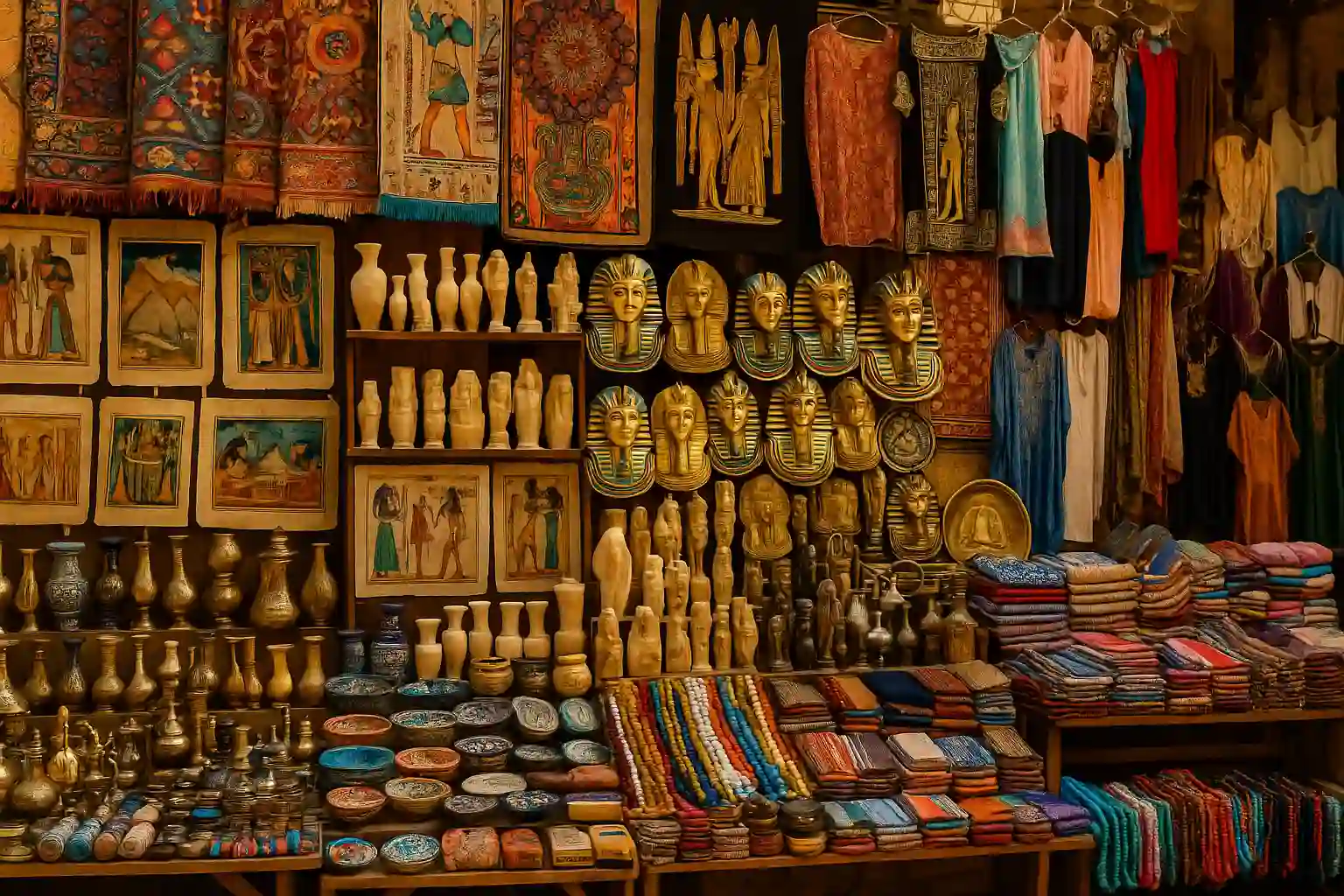
Best souvenirs to buy in Egypt include authentic papyrus, hand-carved alabaster, personalized cartouche jewelry, and fragrant Nubian spices. Prices typically range from $5 to $400 depending on quality, material, and the location of your purchase.
When packing your bags to head home, you want to capture a tangible piece of the country’s ancient magic. However, stepping into a bustling bazaar for the first time can be wonderfully chaotic and highly intimidating. If you are wondering exactly what to buy in egypt without falling into tourist traps, having a definitive, insider guide on the best souvenirs to buy in egypt and prices is your absolute greatest asset.
As veteran travel experts deeply immersed in Egypt’s cultural landscape, we know that understanding fair market value protects your wallet and empowers you to negotiate with confidence. In this comprehensive guide, we will reveal the local secrets on how to authenticate treasures, where to find the finest regional crafts, and exactly what to expect regarding egypt souvenirs prices in 2026.
Top 5 Egyptian Gifts (At a Glance)
If you are short on time and need a quick shopping list before hitting the markets, these are the top five must-have items that represent the pinnacle of Egyptian craftsmanship:
- Authentic Papyrus: The world’s oldest paper, beautifully hand-painted with mythological scenes.
- Alabaster Carvings: Translucent, glowing stone vases and statues hand-carved in Upper Egypt.
- Gold & Silver Cartouches: Highly personalized jewelry featuring your name translated into ancient hieroglyphics.
- Nubian Spices & Saffron: The freshest, most aromatic culinary ingredients found in the southern markets.
- Pure Essential Oils: Alcohol-free lotus, jasmine, and sandalwood perfumes used since the time of the Pharaohs.
Quick Snapshot: Souvenir Pricing and Hotspots
To ensure you never overpay, we have compiled a compact table detailing the fair market values (in USD) and the absolute best locations to secure these items.
🛍️ Master the Markets of Cairo:
Don’t wander the labyrinth alone. Guarantee you get the best quality and prices by booking our Tour to El Moez Street & Khan Elkhalili Bazaar. Your expert guide will translate, negotiate, and shield you from aggressive street hawkers.
Where to Buy Souvenirs in Egypt: The Regional Shopping Strategy
One of the biggest mistakes tourists make is buying all their souvenirs in one place. Egypt is vast, and specific governorates specialize in distinct crafts. To build true topical authority on your shopping trip, you need to understand regional specialties.
Cairo: The Hub of Brass, Copper, and Silver
As the bustling capital, Cairo is your ultimate destination for intricate metalwork. The historic Khan el-Khalili bazaar is world-renowned for its silversmiths, handmade brass lanterns, and copper plates. Cairo is also home to the official, government-certified Papyrus Institutes, where you are guaranteed to find authentic plant-based canvases.
Luxor: The Empire of Stone and Alabaster
If you are traveling south to Luxor, your shopping focus should shift entirely to stone. The West Bank of Luxor, located near the Valley of the Kings, has been the center of stone carving for thousands of years. Here, you will find multi-generational artisan workshops chiseling heavy basalt, granite, and the region’s famous translucent alabaster into breathtaking statues.
Aswan: The Aromatic Capital of Spices and Essences
Further down the Nile lies Aswan, the gateway to Africa. The Nubian culture here heavily influences the markets. Aswan is the undisputed champion for buying the freshest culinary spices, vibrant dried hibiscus flowers (Karkadeh), and pure, alcohol-free essential perfume oils. The dry climate preserves the potency of these items perfectly.

Deep Dive: The Art of Authentic Egyptian Papyrus
Used by the ancients to record everything from the Book of the Dead to daily logs, true papyrus is a resilient material made from the pith of the Cyperus papyrus plant. The streets around major monuments are flooded with aggressive vendors selling “papyrus” for one dollar. These are almost universally fake, made from dried banana leaves stamped with machine-printed designs.
How to Spot the Fakes
Authentic papyrus has distinct characteristics. If you hold a real sheet up to a light source, you will clearly see the horizontal and vertical strips of the plant layered in a crisscross pattern. Real papyrus is highly durable; it will not crack, snap, or tear if you attempt to gently roll or crumple it. Fake banana-leaf papyrus is incredibly brittle and will shatter immediately under pressure.
Prices vary dramatically based on the size of the canvas and the artist’s skill. A small, simple, hand-painted piece costs around $15 to $25, while large, detailed pieces can range from $80 to over $200.
🏛️ Combine History with Authentic Shopping:
Experience the monuments and visit verified artisan workshops in a single day. Reserve our Day Tour to Giza Pyramids and the Grand Egyptian Museum, which includes a scheduled stop to watch authentic papyrus being made right before your eyes.
Alabaster: The Glowing Stones of Luxor
Alabaster carving is a tradition dating back to the very first tombs in ancient Egypt. When shopping for alabaster, you must distinguish between items that are authentically hand-carved and those turned out by a machine. Handmade alabaster is slightly heavier, cooler to the touch, and possesses a matte, slightly imperfect finish that gives it genuine character.
The ultimate test for real Egyptian alabaster is the “flashlight test.” Place your smartphone flashlight inside the vase or statue. Genuine alabaster is delightfully translucent; the light will bleed through the stone, illuminating the beautiful, natural veining within. To find the best pieces, we highly recommend taking a Luxor Full-Day Tour to the East & West Bank where your guide can introduce you to trusted local artisans.

Comparison: Authentic Souvenirs vs. Street Fakes
To protect your wallet and ensure you are taking home a genuine piece of Egyptian heritage, it is vital to understand the profound differences between premium crafts and mass-produced tourist traps.
Jewelry: The Timeless Elegance of Cartouches
One of the most personalized, cherished, and wearable egyptian gifts you can buy is a cartouche. In ancient times, a cartouche was an oval plaque containing the hieroglyphic name of a king or queen. Today, skilled jewelers will custom-make a cartouche pendant featuring your own name translated meticulously into hieroglyphics.
For silver cartouches, always ask to see the hallmark stamp proving its purity. A customized, heavy silver pendant without a chain is highly affordable, generally ranging from $25 to $45.
When buying an 18k or 21k gold cartouche, the price is completely objective. The jeweler will weigh the piece on a digital scale directly in front of you. The cost will be the exact daily global market price of gold per gram, plus a small “making charge” (the artisan’s labor fee). Therefore, a solid gold cartouche will generally cost between $150 and $400+. Haggle only on the making charge, never on the weight of the gold.
Spices, Essences, and the Scents of Aswan
If you want to bring the sensory magic of Egypt back to your own kitchen, you must look south. When walking through a Nubian spice market in Aswan, the air is thick with the scent of roasted cumin, fresh cinnamon, and dried hibiscus.
Never buy pre-ground spices if you want them to last; always buy whole spices. The highly prized purchase here is Saffron. It is important to note that Egypt is not a major producer of saffron. The premium saffron sold in the southern markets is typically imported from places like Iran or Morocco. However, because of historic trade routes, you can find excellent quality imported saffron in Aswan at highly competitive prices compared to Western markets, usually costing around $20 to $30 for a small jar. Beware of vendors selling cheap, locally grown safflower disguised as “Egyptian Saffron.”
Egypt is also world-renowned for its essential oils (Lotus flower, Jasmine, and Sandalwood). A quality 50ml bottle of pure essence will run you roughly $25 to $50. For the ultimate authentic buying experience, we highly recommend our Nubian Villages Tour in Aswan, where you can purchase directly from local families.

The Art of the Haggle: Rules of Engagement
Understanding the best souvenirs to buy in egypt and prices is only half the battle; the other half is knowing how to negotiate effectively. In Egyptian markets, haggling is a highly ritualized, culturally expected social dance.
- The Rule of Halves: When a vendor gives you an initial price, understand that it is heavily inflated for tourists. Counter with 40% of their asking price. You will eventually meet in the middle—usually around 50% to 60% of the original quote.
- Hide Your Enthusiasm: If you pick up a statue and scream, “I love this!”, you have lost all leverage. Play it cool. Ask the price of three things you don’t want before pointing to the item you actually desire.
- The Walk-Away: This is your absolute strongest weapon. If you hit a stalemate, politely say “Shukran” (thank you) and slowly walk out of the shop. 95% of the time, the vendor will chase you down offering the “final, final price.”
Conclusion: Bring Home the Magic, Leave the Stress
Shopping in Egypt is an adventure in its own right. By arming yourself with this insider knowledge of the best souvenirs to buy in egypt and prices, you transform yourself from a vulnerable tourist into a savvy traveler. You will know exactly how to spot the glowing authenticity of real alabaster, the crisp weave of true papyrus, and the heavy, undeniable luxury of pure gold cartouches.
However, the absolute best way to ensure you are buying genuine artifacts at fair local prices is to shop alongside an expert. When you explore the markets with a licensed local Egyptologist, the aggressive street hustlers back away, and the doors to the finest, hidden artisan workshops open wide.
Do not let the stress of haggling or the fear of fakes ruin your vacation. Let us act as your personal cultural navigators. By booking our comprehensive Egypt travel packages, you guarantee a seamless, safe, and wildly authentic journey. Our guides will protect your wallet, translate the bargaining banter, and ensure your suitcase is filled with genuine treasures. Contact our local experts today to start crafting your flawless, stress-free Egyptian itinerary.
Frequently Asked Questions (FAQs)
1. Can I buy genuine ancient Egyptian antiquities legally?
No, it is 100% illegal to buy, sell, or export genuine historical artifacts in Egypt. All antiquities belong to the Egyptian state. Any street vendor or shop claiming to sell “real” ancient relics is either trying to scam you with a fake or attempting to involve you in a severe federal crime. Stick exclusively to modern, artisanal replicas.
2. Can I use US Dollars to buy souvenirs in the local markets?
Yes, US Dollars (and Euros) are widely accepted by almost all souvenir vendors in Egypt. In fact, many vendors prefer hard foreign currency. However, it is highly recommended to carry small denominations ($1, $5, $10 bills) because vendors will rarely have exact change in USD and will give you your change in Egyptian Pounds (EGP), often at a poor exchange rate.
3. Is it safe to pack fragile items like Alabaster or Papyrus in checked luggage?
Papyrus is very easy to transport; reputable shops will roll it and place it in a sturdy protective cardboard tube that easily fits in your carry-on. Alabaster, however, is heavy and fragile. You should ask the shop to wrap it heavily in bubble wrap, and it is best packed nestled securely between soft clothing in the center of your checked hard-shell suitcase.
4. Will airport customs confiscate my high-quality souvenir replicas?
Customs will not confiscate your replicas as long as you can prove they are modern reproductions. Because high-quality stone and metal replicas look authentic on airport X-ray machines, your bags may be inspected. Always demand a printed, stamped receipt from the artisan shop when you buy premium souvenirs and keep it handy to show the officers.
