
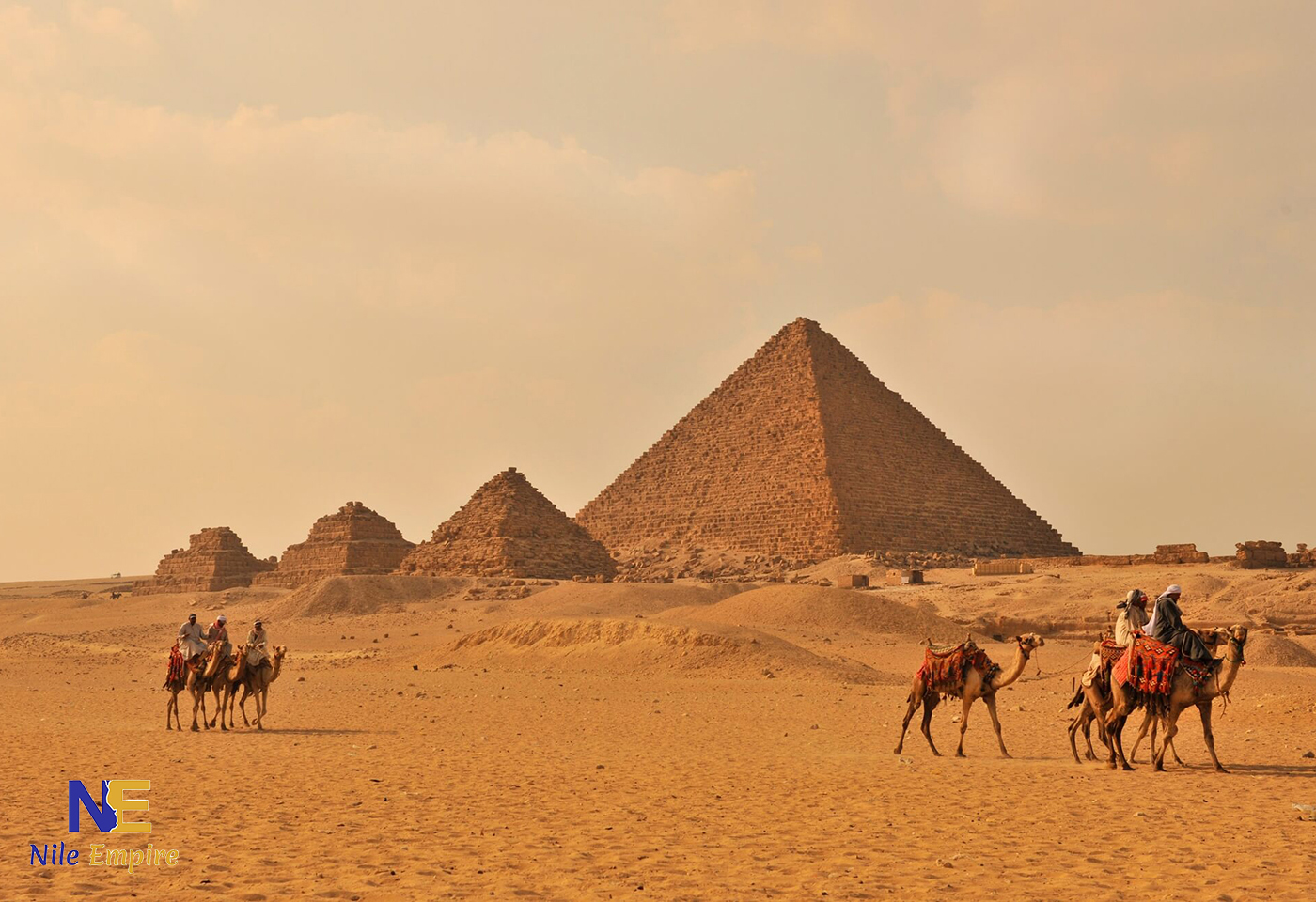
Standing at the base of the Great Pyramid of Giza is an emotional, bucket-list moment that defies description. As the last surviving wonder of the ancient world, it projects an aura of immense mystery and eternal grandeur. However, the reality of visiting this monumental site often involves navigating a highly chaotic, modern environment. Amidst the awe-inspiring architecture, many travelers encounter a frustrating underbelly of localized commerce: the persistent tourist scams at pyramids.
Egypt is a phenomenal, welcoming country. In fact, if you read about why Egypt is one of the safest travel destinations in 2025, you’ll discover that physical crime against tourists is extraordinarily rare. But like any major global tourist hub, the Giza Plateau attracts individuals looking to capitalize on confused, overwhelmed, and overly polite visitors. The tactics used here are highly psychological, relying on creating false urgency or exploiting a traveler’s natural inclination to be polite.
As a leading travel agency in Egypt operating daily in Cairo, we believe that forewarned is forearmed. Whether you are exploring independently or booking private tours in Egypt, you should not have to spend your once-in-a-lifetime visit clutching your wallet in anxiety. By understanding exactly how these specific hustles operate, you can easily deflect them with a simple phrase and a confident stride. This comprehensive guide will dissect the most common tourist scams at the Pyramids, providing you with actionable, field-tested strategies to ensure your ancient adventure remains magical, stress-free, and financially secure.

Quick Snapshot: The Most Common Pyramids Hustles
Before we dive into the psychological breakdowns of these interactions, let’s categorize them. The following table provides a rapid snapshot of the most frequent tourist scams at pyramids and the immediate, correct action you should take to neutralize them.
⏱️ Short on Time? Avoid the Hustle:
If you have a long layover and want to see the Pyramids safely, don’t risk navigating street hustlers alone. Book our Cairo Layover Tour from Cairo Airport to be picked up directly and guided flawlessly by an expert.
Deep Dive: Deconstructing the Psychological Scams
To effectively combat these tactics, you must understand the psychology behind them. Hustlers at the Giza Plateau do not use force; they use confusion and guilt. They are masters of reading body language and target tourists who look hesitant, lost, or overly eager to please.
1. The Fake Ticket Inspector
This scam usually occurs before you even reach the official entrance. As your taxi approaches the plateau, men dressed relatively smartly (sometimes holding fake lanyards or badges) will aggressively wave down your car or step in front of you if you are walking. They will confidently state, “Tickets here, let me see your ticket,” or “The entrance is closed, come this way.”
The Reality: Official government ticket inspectors do not stand in the middle of the street. They are stationed directly at the physical turnstiles at the main gates (the Mena House entrance or the Sphinx entrance). These fake officials are trying to divert you into their specific souvenir shop or force you into a highly inflated camel carriage ride before you can buy an official government ticket.
The Fix: Do not make eye contact. Do not stop walking. Do not hand your ticket or money to anyone unless they are sitting behind a glass booth with an official Ministry of Antiquities sign above them.
2. The “Free Gift” Guilt Trip
You are walking toward the Great Pyramid, gazing up in awe, when a vendor suddenly steps into your path with a wide smile. “Where are you from? Ah, America! Welcome to Egypt!” Before you can react, he thrusts a small carved scarab, a bookmark, or a cheap plastic pyramid into your hand or drops it directly into your pocket. “A gift for you. For good luck.”
The Reality: The moment your hand closes around that object, a psychological contract is formed. If you say thank you and try to walk away, the vendor’s smile vanishes. He will follow you, loudly demanding a “donation” for his family or payment for his “gift.” He relies on the fact that you will feel too embarrassed to throw it on the ground and will simply pay him to go away.
The Fix: If you see a vendor approaching with an object extended, put your hands firmly in your pockets or cross your arms. Say a firm “La Shukran” (No, thank you). If they manage to place it on your shoulder or in your hand, do not hold it. Let it fall to the sand and keep walking. They will quickly pick it up and move on to the next target.

3. The Camel Ride Extortion
Riding a camel in the Sahara desert with the Pyramids in the background is an iconic image. Unfortunately, the freelance camel handlers outside the official zones are notorious for bait-and-switch pricing. A handler will quote you an incredibly cheap price—say, 50 EGP (about $1 USD)—for a ride.
The Reality: You agree, get on the camel, and he leads you out into the desert. When it is time to get off, the camel refuses to kneel. The handler then informs you that the 50 EGP was the price to get on the camel. The price to get the camel to kneel so you can get off is 500 EGP. You are effectively held hostage 8 feet in the air.
The Fix: Never, under any circumstances, negotiate a camel or horse carriage ride with a random handler on the plateau. To experience this safely, you must book it through a reputable source. If you book our Half-Day Tour to Giza Pyramids & the Sphinx with Camel Ride, the price of the ride is already included, strictly regulated, and monitored by your private guide. There is zero haggling and zero extortion.
Alternatively, if you prefer horsepower over camels, booking a Quad Bike Tour at Giza Pyramids offers a thrilling, pre-paid, and entirely scam-free way to explore the panoramic desert dunes surrounding the monuments.
The Ultimate Defense: The Power of a Private Egyptologist
You can memorize every scam in the book, practice your stern “no,” and wear dark sunglasses to avoid eye contact. But why should you spend your vacation playing defense? The absolute best way to completely eliminate tourist scams at pyramids is to remove yourself from the equation entirely by traveling with a licensed guide.
When you book a private tour with Nile Empire, the dynamic on the plateau shifts instantly. Street vendors and hustlers operate on an unspoken hierarchy. They recognize licensed Egyptologists. When a vendor sees a tourist accompanied by a local professional, they almost universally back off. They know that a guide will not fall for their tricks and will intervene aggressively in Arabic if they step out of line.
🛡️ The Shield of Expertise:
Don’t let aggressive vendors ruin your experience. Book our comprehensive Day Tour to Giza Pyramids and the Egyptian Museum. Our guides handle all ticketing, vendor negotiations, and navigation, creating an invisible bubble of protection around you.
Comparison: Solo Navigation vs. Guided Protection
Let’s look at a side-by-step comparison of what your morning at the Giza Plateau looks like when you attempt to go it alone versus when you rely on professional infrastructure.
Practical Rules of Engagement for the Independent Traveler
If you absolutely insist on visiting the Pyramids without a guide, you must adopt a specific mindset. The polite, accommodating demeanor you use in a boutique shop in London or a cafe in Toronto will make you a prime target in Giza. Adopt these rules immediately upon exiting your taxi:
- Walk with Purpose: Scammers target those who are standing still, looking at maps, or appearing confused. Walk briskly and confidently toward the monument you want to see.
- Silence is Golden: Do not engage in small talk. If someone says “Where are you from?” do not answer. Answering is an invitation to converse, which is an invitation to sell. A simple, firm “La Shukran” is the only phrase you need.
- Protect Your Tech: Never hand your smartphone or expensive DSLR to a local who offers to take a “special” photo of you “holding” the pyramid. Once they have your phone, they will take 20 rapid-fire photos and refuse to hand the phone back until you pay them an exorbitant tip. If you want a photo together, ask another tourist.
- Know the Currency: If you do decide to buy a small souvenir (like a postcard or water), be acutely aware of your cash. A common trick is to hand over a 200 EGP note, only for the vendor to quickly swap it with a 20 EGP note (which looks similar in color) and claim you underpaid. Always state the denomination aloud as you hand it over: “Here is two hundred.”

Beyond Giza: Exploring Quieter Alternatives
It is important to contextualize the hustle at the Pyramids. The Giza Plateau is the epicenter of this specific brand of aggressive tourism commerce because it is the most famous site in the country. However, if you want to see magnificent ancient pyramids with a fraction of the crowds and almost zero vendor harassment, you should head slightly south.
Booking our Day Tour to Saqqara, Memphis, and Dahshur allows you to see the Step Pyramid (the oldest stone building in history) and the Bent Pyramid in absolute peace. The atmosphere at these sites is significantly more tranquil, allowing for quiet reflection.
Contrast this with the historic Islamic district of Cairo. When you take a Tour to El Moez Street & Khan Elkhalili Bazaar, the loud haggling and vendor calls are actually part of the authentic, centuries-old cultural experience, unlike the predatory tactics found at the Pyramids.
Conclusion: Control Your Ancient Narrative
The Pyramids of Giza are the defining symbol of human architectural achievement. They are meant to inspire awe, reflection, and wonder. Learning how to navigate the modern hustle and avoid the common tourist scams at pyramids is the key to ensuring your memories remain focused on the ancient stones, rather than a frustrating argument over a plastic souvenir.
By keeping your hands empty, maintaining a firm and confident stride, and mastering the phrase “La Shukran,” you can walk the plateau with confidence. However, the ultimate travel hack remains professional infrastructure. By trusting your journey to certified experts, you remove the friction of the streets entirely.
Do not let the fear of haggling or harassment dictate your vacation. Take control of your narrative. We invite you to explore our highly secure, flawlessly executed Egypt travel packages with Nile Empire. Let our Egyptologists serve as your personal shield and storytellers, allowing you to simply stand in the shadow of Khufu and marvel at history.
Frequently Asked Questions (FAQs)
1. Is it safe to give my camera to a local at the Pyramids to take a photo?
No, it is not safe to give your camera to a local at the Pyramids, as it is a common tourist scam. A local may offer to take a “creative” photo, but once they hold your device, they will demand a significant tip (Baksheesh) before returning it. Always ask a fellow tourist or rely on an official guide.
2. Are the paths around the Pyramids ever closed to pedestrians?
No, the public paths around the Pyramids are never closed to pedestrians during operating hours. A frequent scam involves camel and horse carriage drivers standing in front of a pathway and falsely claiming it is closed to force you into paying for a ride. Simply ignore them and keep walking.
3. How do I politely say no to a vendor in Egypt?
To politely say no to a vendor in Egypt, say the Arabic phrase “La Shukran” (No, thank you) firmly. Do not make sustained eye contact, keep walking, and optionally place your right hand over your heart. This is a culturally understood gesture of polite but absolute refusal that stops further harassment.
4. How can I guarantee a safe camel ride without getting scammed?
To guarantee a safe camel ride without getting scammed, you must pre-book it through a reputable tour agency before arriving at the Pyramids. Booking an official tour ensures the price is fixed and the handler is vetted, protecting you from common bait-and-switch pricing and extortion tactics on the Giza Plateau.
