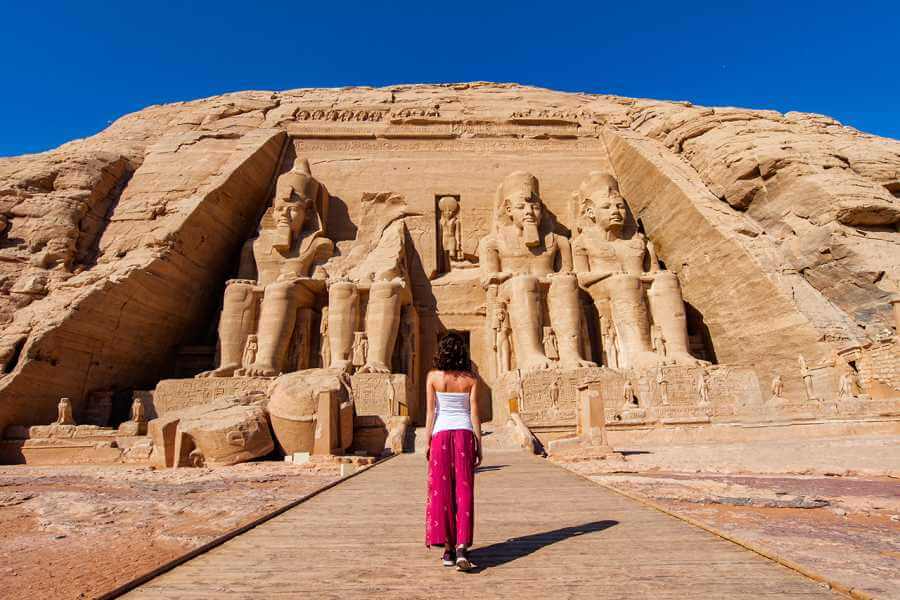
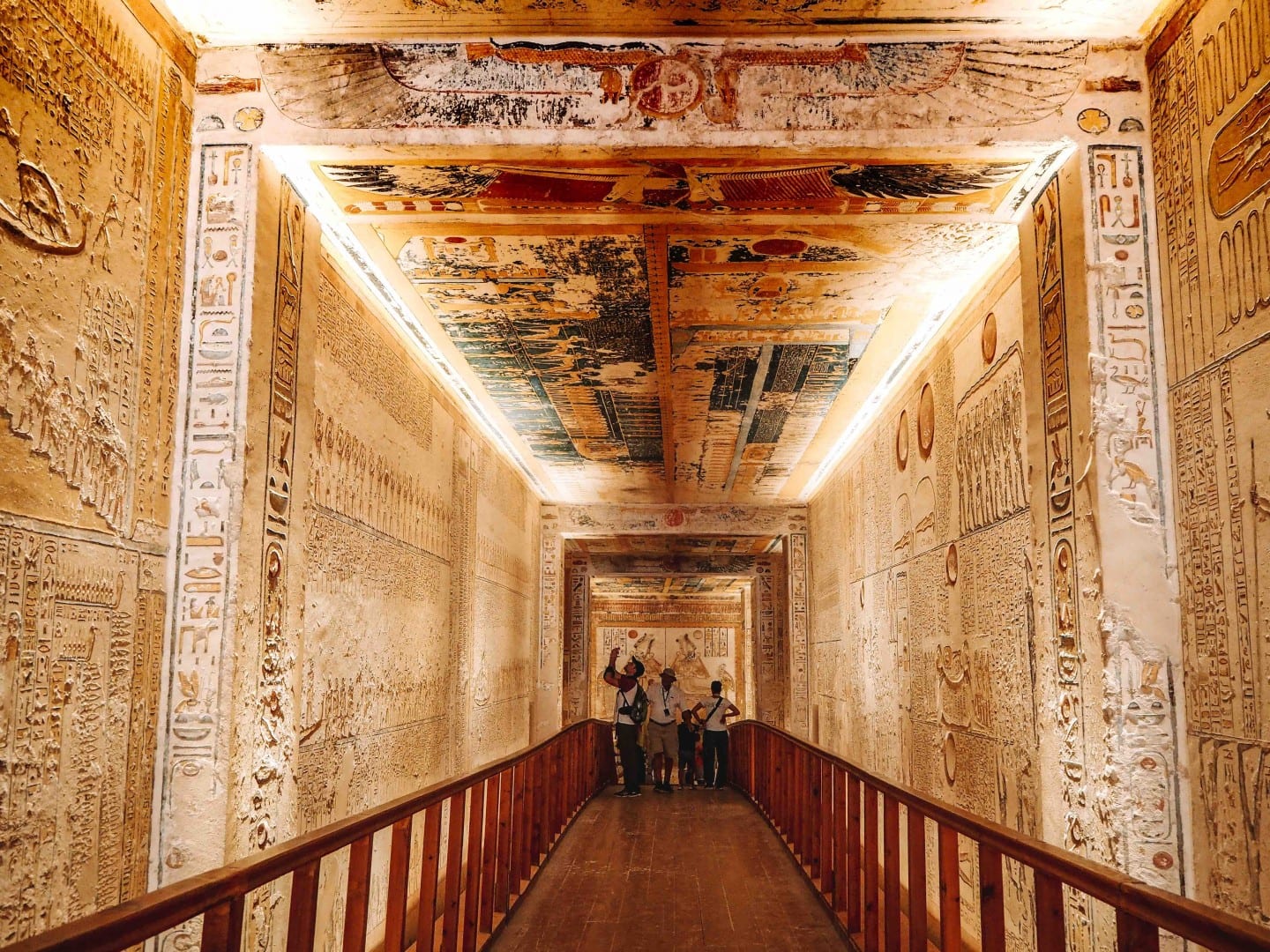
The Valley of the Kings, known anciently as the “Great Place of Truth,” stands as one of the most significant archaeological sites in the world. Located on the west bank of the Nile opposite modern-day Luxor, this royal necropolis served as the final resting place for pharaohs and powerful nobles of the New Kingdom (18th to 20th Dynasties). For nearly 500 years, rock-cut tombs were excavated into the limestone cliffs of the Theban mountain, intended to safeguard the mummies and treasures of Egypt’s rulers from tomb robbers.
Today, the site, designated a UNESCO World Heritage area, draws millions of visitors seeking to understand the complexity of ancient Egyptian beliefs regarding the afterlife. Navigating the valley can be complex due to the rotation of open tombs and the specific ticketing systems in place. Identifying the Best Valley of the Kings Tombs requires an understanding of artistic styles, historical significance, and accessibility. This comprehensive guide provides an objective analysis of the architecture, decoration, and logistical details necessary for a strategic visit in 2026.

Quick Snapshot: Valley of the Kings Essentials
Before analyzing specific tombs, visitors must understand the operational framework of the site. The following data points provide a logistical overview for travelers planning their itinerary.
| Feature | Details |
|---|---|
| Location | West Bank, Luxor |
| Total Tombs | 63 (KV1 to KV63) |
| Standard Ticket | Access to 3 tombs (Rotating) |
| Premium Access | Tutankhamun, Seti I, Ramses V/VI |
| Ideal Visit Time | 06:00 AM or after 02:00 PM |
(Swipe table to see details)
Understanding the Architecture of the Afterlife
The tombs in the Valley of the Kings represent a shift from the conspicuous pyramid structures of the Old Kingdom to hidden, rock-cut sepulchers designed to evade detection. Despite this concealment, the interiors were lavishly decorated with texts and scenes from the “Books of the Netherworld.” These texts served as a guidebook for the deceased pharaoh, providing the spells required to navigate the night and be reborn. For travelers with limited time in Egypt, a dedicated Day Tour to Luxor from Cairo by Air offers the most efficient way to witness these architectural marvels without a long overland journey.
The Standard Ticket: Top Recommendations
The standard entry ticket allows access to three tombs. Since the specific tombs open to the public rotate to control humidity levels, the selection available on any given day may vary. However, the following are consistently rated as the most impressive.
1. Tomb of Ramses IV (KV2)
Located near the entrance of the valley, KV2 is one of the most accessible tombs. Dating to the 20th Dynasty, it is renowned for the vibrancy of its colors. The architecture here is wider and less steep, making it an excellent choice for visitors. Notable historical graffiti from Coptic Christians can also be seen, indicating the tomb was accessible in antiquity.
2. Tomb of Ramses IX (KV6)
Situated directly opposite KV2, the tomb of Ramses IX offers a fascinating look at the decline of the New Kingdom. The tomb was left unfinished at the king’s death, providing archaeologists with insight into the working methods of ancient artisans. It is often a key stop on the classic Aswan to Luxor Nile Cruise itinerary, which allows visitors to explore the West Bank comfortably between sailing schedules.
3. Tomb of Merenptah (KV8)
For those seeking architectural grandeur, the tomb of Merenptah, son of Ramses II, is significant. It is one of the deepest tombs in the valley, descending approximately 160 meters. The steep descent symbolizes the journey into the underworld. The highlight is the burial chamber, which still houses the beautiful lid of the king’s outer stone sarcophagus.
4. Tomb of Ramses III (KV11)
Known as the “Harper’s Tomb,” KV11 is famous for unique secular scenes, including blind harpists playing for the gods. The tomb is one of the longest in the valley (188 meters). The colors remains remarkably fresh, particularly the scenes of the king offering to various deities.

The Premium Experience: Extra Ticket Tombs
Certain tombs require an additional ticket purchase to limit visitor numbers and protect delicate interiors. For travelers with a keen interest in Egyptology, these tombs represent the pinnacle of Theban art.
The Tomb of Seti I (KV17)
Often cited as the most impressive tomb in the necropolis, KV17 is the deepest tomb discovered. It was the first to be fully decorated from entrance to burial chamber. Due to its high ticket price and artistic value, it is a centerpiece of Egypt Luxury Tours, where travelers can take their time appreciating the astronomical ceiling without the rush of large crowds.
The Tomb of Tutankhamun (KV62)
Discovered nearly intact by Howard Carter in 1922, KV62 is undoubtedly the most famous tomb in history. Physically small, its primary draw is the historical context and the presence of Tutankhamun’s mummy, which remains in the tomb. While less decorated than the Ramesside tombs, it remains a bucket-list destination.
The Tomb of Ramses V and VI (KV9)
This joint tomb is a masterpiece of complexity. Originally built for Ramses V, it was usurped and enlarged by Ramses VI. The decoration is incredibly dense, covering every inch of the walls with texts from the Book of the Earth.
Comparative Analysis: Planning Your Visit
Choosing which tombs to visit depends largely on budget, time, and specific interests. The following comparison helps distinct types of travelers prioritize their options.
| Visitor Profile | Strategy | Top Recommendation |
|---|---|---|
| General Tourist | Focus on variety. | Ramses IV & III |
| Art Enthusiast | Buy Extra Tickets. | Seti I & Ramses VI |
| History Buff | Comprehensive Tour. | Cairo to Luxor 5 Days |
(Swipe table to see details)
Logistics and Practical Information for 2026
Getting There
The Valley of the Kings is located approximately 30 kilometers from Luxor’s East Bank. Private transportation is recommended for efficiency. Many visitors opt for the comprehensive Luxor Full Day Tour to the East & West Bank, which handles all logistics, including the crossing of the Nile and air-conditioned transport between the distant sites.
Climate and Timing
Southern Egypt experiences extreme temperatures. It is advisable to arrive as the gates open (typically 6:00 AM) to complete the visit before the midday heat peaks. Alternatively, late afternoon visits often see fewer crowds.
Conclusion
Selecting the Best Valley of the Kings Tombs to visit is a balance of historical interest and logistical planning. While the standard ticket offers a magnificent introduction through the tombs of Ramses IV and Merenptah, the additional investment for Seti I provides a deeper immersion. Regardless of the specific itinerary, the valley remains a testament to the architectural genius of the New Kingdom. Travelers are advised to check current Egypt attraction entrance fees before their trip.
Frequently Asked Questions About Best Valley of the Kings Tombs.
Is the tomb of Tutankhamun included in the general entry ticket?
No, the tomb of Tutankhamun (KV62) requires a separate extra ticket. The general entry ticket to the Valley of the Kings grants access to three other tombs from the list of those currently open.
How much time is needed to visit the Valley of the Kings?
A standard visit covering three tombs typically takes between 1.5 to 2 hours. However, travelers visiting extra tombs like Seti I should allocate 3 to 4 hours to fully explore the area.
Can I take photos inside the Valley of the Kings tombs?
Yes, photography is allowed, but with specific rules. As of 2026, taking photos with a mobile phone is free and permitted in most open tombs (excluding Tutankhamun). However, using a professional camera (DSLR) or a tripod requires purchasing a specific photography permit at the ticket office. Flash photography is strictly prohibited everywhere to preserve the pigments.
Is the Luxor Pass worth it for the Valley of the Kings?
If you plan to visit the tombs of Seti I and Nefertari (in the Valley of the Queens), the Premium Luxor Pass is highly recommended. These two tombs alone have expensive individual tickets, so the pass can save you money and allows multiple entries to all archaeological sites in Luxor over 5 days.
What should I wear when visiting the Valley of the Kings?
There is no strict religious dress code for the valley itself, but modest, breathable clothing is respectful and practical. The most important item is comfortable, closed-toe walking shoes, as the ground is uneven and dusty. A hat, sunglasses, and high-SPF sunscreen are essential due to the intense sun and lack of shade.
Is the Valley of the Kings wheelchair accessible?
Partially. The visitor center and the electric train (Taf-Taf) that takes visitors to the entrance are accessible. However, most tombs have steep ramps or stairs. The Tomb of Ramses IV (KV2) and Merenptah (KV8) are generally considered the most accessible, with wooden walkways and less steep gradients compared to others.
Do I need a tour guide for the Valley of the Kings?
While not mandatory, hiring a professional Egyptologist is strongly advised. There are no information panels inside the tombs to explain the complex “Books of the Afterlife” painted on the walls. A guide can navigate you to the best-preserved tombs of the day and explain the mythology without wasting your time. You can book a private expert guide to enhance your experience.