
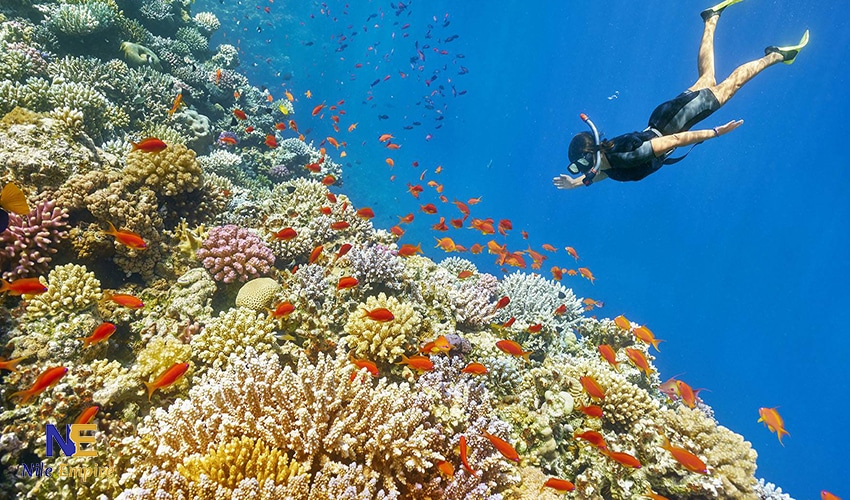
Scuba diving in Marsa Alam for beginners offers calm, crystal-clear waters, easy shore entries, and world-class marine life including sea turtles and dugongs. If you are looking for beginner scuba egypt, introductory dives range from $50 to $80, making it the perfect, affordable destination to take your very first breath underwater.
Taking your first breath underwater is a profoundly unnatural, thrilling, and transformative experience. However, the anxiety of trying it for the first time is incredibly common. What if I panic? What if the current is too strong? Will I even see anything interesting in the shallow water? If you are grappling with these questions, you are looking for a highly specific type of environment. You need a destination that replaces fear with absolute wonder.
While the country is globally famous for its coral reefs, not all of its coastal resorts are suited for complete novices. This is why scuba diving in marsa alam for beginners is widely considered by PADI instructors as the premier introductory environment on the planet. Setting the gold standard for red sea diving for beginners, Marsa Alam remains a tranquil, pristine haven offering gentle slopes and immediate access to vibrant coral ecosystems directly from the beach.
In this comprehensive, expert-led guide, we will break down exactly why this southern gem is the ultimate training ground. We will cover the easiest dive sites, the costs involved, the critical difference between a trial dive and full certification, and the magnificent marine life waiting for you just beneath the surface.
Quick Snapshot: Marsa Alam Beginner Diving Facts
To help you prepare physically and financially for your adventure, review this compact snapshot of what to expect when diving in this pristine region. We have structured this table to give you the most vital information at a quick glance without any annoying mobile scrolling.
🤿 Ready to Take the Plunge?
Stop dreaming and start exploring. Discover the tranquil bays of Marsa Alam with our certified, patient instructors. We specialize in private tours in Egypt that turn nervous first-timers into confident underwater explorers.
Top 5 Reasons Marsa Alam is the Perfect Training Ground
When considering diving marsa alam beginners often wonder why they shouldn’t just go to a more crowded, famous city. Here is exactly why Google, travel experts, and seasoned divemasters consistently rank this southern Red Sea coast as the absolute premium destination for uncertified divers:
- Shore Entries: Instead of jumping backward off a rocking boat in deep water, you simply walk into the water from the beach, allowing you to acclimate to the heavy gear at your own pace.
- Zero Current Bays: Protected, U-shaped bays act like giant saltwater swimming pools, completely eliminating the stress of fighting unpredictable ocean currents.
- Unmatched Visibility: The water here regularly offers 30 to 40 meters of clear visibility, easing claustrophobia and making underwater navigation incredibly simple for your instructor.
- Shallow-Water Megafauna: You don’t need to dive deep to see the big stuff. Giant Green Sea Turtles and rare dugongs feed in water as shallow as 4 meters.
- Uncrowded Reefs: Fewer boats and divers mean significantly less underwater traffic, allowing instructors to focus 100% of their attention on your safety and comfort.

Best Beginner Dive Sites in Marsa Alam
For anyone seeking a premium beginner scuba egypt experience, the specific dive site your center chooses makes all the difference in the world. You want sandy bottoms, absolutely no surge, and immediate marine life upon descent. Here are the top undisputed beginner havens in the region:
1. Abu Dabbab Bay: The Turtle Sanctuary
Abu Dabbab is legendary. This wide, sandy bay is completely shielded from strong winds and waves. The center of the bay features a vast seagrass meadow. For a beginner, this is paradise. You will walk in from the shore, descend to just 4 or 5 meters, and almost immediately encounter massive, docile Green Sea Turtles feeding on the grass. The sheer awe of swimming alongside these ancient, gentle creatures completely distracts from the novelty of breathing through a regulator.
2. Marsa Mubarak: The Dugong’s Home
Similar to Abu Dabbab, Marsa Mubarak is a shallow, sandy-bottomed bay. It is world-renowned as one of the few places on earth where you can reliably spot the elusive Dugong (sea cow). Because dugongs are mammals that need to surface for air, they spend their time in very shallow waters, meaning even an uncertified beginner on a 6-meter introductory dive has a very real chance of a majestic encounter.
3. Satayah Reef (Dolphin House)
While primarily a snorkeling destination, the sheltered lagoon at Satayah Reef is an incredible place to get comfortable in the open ocean. If you are hesitant about strapping on a tank right away, we highly recommend booking a Snorkeling Trip to Satayh Dolphin Reef first. Floating peacefully above dozens of spinner dolphins is the perfect way to build your water confidence before advancing to full scuba gear.
Introductory Dive vs. PADI Open Water Certification
If you have never dived before, you have two primary options when arriving in Egypt. You can either do a one-off “trial” dive or commit to a full certification course. Understanding the difference is crucial for managing your time and expectations on vacation.
Discover Scuba Diving (The Intro Dive)
Also known as a DSD, this is a half-day experience designed purely for fun. You do not need to read any books or pass any exams. An instructor gives you a 20-minute safety briefing on the beach, explaining how to equalize your ears and clear your mask. Then, the instructor literally holds onto your tank valve or swims right beside you, controlling your depth and buoyancy. All you have to do is kick your legs, breathe, and look at the fish. It is entirely stress-free.
PADI Open Water Diver (The Full Course)
If you want to become an independent diver, this is the first official step. It takes 3 to 4 days. You will learn the physics of diving, complete confined water skills (like taking your mask off underwater and putting it back on), and execute four open water dives. Marsa Alam’s calm bays are the perfect classroom for this, ensuring you don’t have to battle waves while learning to clear a flooded mask.
Comparison: DSD vs PADI Open Water
Which option is right for your vacation? This compact comparison table will help you decide quickly based on your time, budget, and commitment levels.
Overcoming First-Timer Fears: What to Actually Expect
Even with the calmest waters, strapping a heavy metal tank to your back is intimidating. Here is exactly what happens during your first venture into the water to put your mind completely at ease.
1. The Weight of the Gear
On land, scuba gear is heavy and awkward. You will wear a BCD (Buoyancy Control Device), a tank, and lead weights. However, the exact moment you walk chest-deep into the salty Red Sea, physics takes over. The water displaces the weight, and suddenly you feel entirely weightless. Marsa Alam’s high salinity provides excellent natural buoyancy, keeping you afloat with zero effort.
2. The First Breath
When you submerge your face, your mammalian brain will instinctively scream, “Do not breathe, you are underwater!” It takes about 60 seconds of conscious, slow breathing through the regulator for your brain to accept the new reality. Your instructor will have you kneel in shallow water (where you can easily stand up if needed) just to practice inhaling and exhaling until your heart rate drops.
3. Equalizing Your Ears
As you descend, water pressure pushes against your eardrums. You must “equalize” by pinching your nose and blowing gently (like blowing your nose into a tissue). Because Marsa Alam offers sloping, sandy beaches, you descend at a snail’s pace, giving you plenty of time to clear your ears without the pressure of dropping straight down a vertical reef wall.
🚢 Expand Your Northern Horizon:
While Marsa Alam is the king of calm bays, the lively northern coast offers its own beginner-friendly thrills. Check out Hurghada to see how the diving culture shifts, or jump straight into action by booking a guided Scuba Diving Trip in Hurghada tailored specifically for first-timers.

The Marine Life: What You Will Actually See
One of the greatest misconceptions about beginner diving is that you won’t see anything “cool” unless you dive down to 30 meters. In the Red Sea, the exact opposite is true. Sunlight is essential for coral growth, meaning the most vibrant, colorful, and active ecosystems are actually located between 3 and 12 meters deep—exactly where beginners spend all their time.
- The Coral Gardens: Prepare to be dazzled by hard and soft corals painted in neon pinks, purples, and yellows. The fringing reefs in Marsa Alam are incredibly healthy compared to heavily trafficked global sites.
- Clownfish and Anemones: Yes, you will find “Nemo.” Thousands of them. They aggressively defend their anemone homes, providing endless entertainment for divers hovering nearby.
- Blue-Spotted Stingrays: Often found hiding under small coral outcroppings or gliding gracefully across the sandy bottom right beneath your fins.
Beyond Marsa Alam: Advancing Your Dive Journey
Marsa Alam is the perfect incubator. But once you fall in love with the underwater world, you will undoubtedly want to explore further. Egypt is a global diving superpower, and your newly minted skills or introductory confidence can easily be transferred to other iconic locations.
If you decide to get fully certified, you can cross the sea to Sharm El Sheikh. There, you can book a Diving Tour at Ras Mohammed National Park, globally recognized as one of the top ten dive sites in the world, famous for its dramatic drop-offs and massive schools of pelagic fish.
Conclusion: Your Underwater Journey Starts Here
Embarking on the journey of scuba diving in marsa alam for beginners is not just a simple vacation activity; it is the doorway to a completely new world. The anxiety of the unknown is quickly replaced by the meditative, rhythmic sound of your own bubbles and the absolute awe of swimming weightlessly alongside ancient sea turtles.
Marsa Alam beautifully strips away the stress of backward boat entries, strong ocean currents, and deep-water panic, replacing them with warm, crystal-clear, shallow lagoons perfectly designed for learning. Whether you choose a simple afternoon introductory dive or fully commit to a PADI Open Water certification, the Red Sea will leave an indelible mark on your soul.
Do not let fear keep you sitting on the beach. At Nile Empire, we partner with the most reputable, highly-rated dive centers to ensure your absolute safety, comfort, and ultimate enjoyment. Incorporate a magical underwater experience into your trip by exploring our comprehensive Egypt travel packages. Ready to take a deep breath and dive in? Contact our travel experts today to secure your spot beneath the waves!
Frequently Asked Questions (FAQs)
1. Do I need to know how to swim to try scuba diving in Marsa Alam?
For a Discover Scuba (Introductory) dive, strong swimming skills are not strictly required, though basic water comfort is essential. Your instructor will handle your buoyancy and movement. However, to enroll in a full PADI Open Water Certification course, you must pass a basic swim test (usually a 200-meter swim and a 10-minute float) to prove you are safe in the water.
2. Is it safe to scuba dive if I have asthma or ear problems?
You must complete a medical questionnaire before diving. Conditions like severe asthma, lung issues, or chronic ear equalization problems can be contraindications for diving due to pressure changes. If you have any preexisting medical conditions, you must get signed clearance from a physician before you will be allowed to dive.
3. Will I encounter sharks while diving as a beginner in Marsa Alam?
It is highly unlikely you will see sharks on a beginner dive in Marsa Alam. Beginners dive in shallow, protected, sandy bays (like Abu Dabbab). Pelagic sharks in the Red Sea typically inhabit deep, offshore reef walls with strong currents (like Elphinstone or the Brothers Islands), which are strictly reserved for advanced, highly experienced divers.
4. How soon after scuba diving can I fly home?
You must wait at least 18 to 24 hours after your last scuba dive before flying in an airplane. Going to altitude too soon after breathing compressed air can cause Decompression Sickness (the bends). Always schedule your diving activities for the beginning or middle of your vacation, never on the day before you fly out.
