
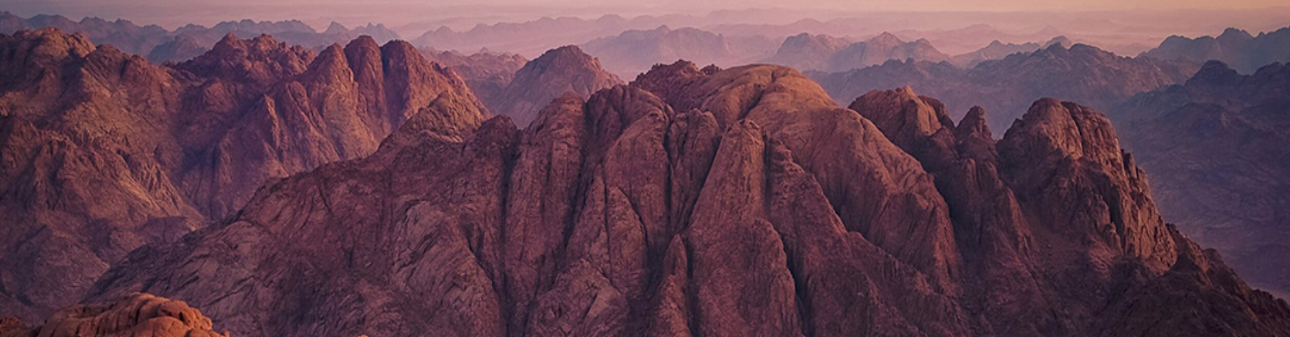
Rising starkly from the rugged, arid landscape of the Sinai Peninsula, Mount Sinai (Jabal Musa) is not just a geological marvel; it is a profound spiritual epicenter. For centuries, pilgrims, historians, and adventurous travelers have been drawn to these granite peaks, seeking the very spot where tradition holds that Moses received the Ten Commandments. The sheer historical gravity of this mountain makes it a non-negotiable highlight for anyone exploring Egypt’s eastern frontier.
However, once you decide to conquer this iconic summit, you are immediately faced with a crucial logistical and experiential dilemma: should you embark on the famous mount sinai night vs day tour? This is not merely a question of scheduling; it is a choice between two drastically different adventures. One involves navigating rocky paths under a blanket of starlight to witness a breathtaking sunrise, while the other offers clear panoramic views, fewer crowds, and a deeply historical perspective bathed in sunlight.
As Sharm El Sheikh and Dahab travel experts, we have guided thousands of travelers up these sacred steps. We know that the “best” time to climb depends entirely on your physical stamina, your tolerance for cold weather, and what you ultimately want to feel when you reach the top. In this comprehensive guide, we will break down the physical demands, the visual rewards, and the spiritual atmosphere of both the night and day ascents, helping you make the perfect choice for your Egyptian itinerary.

Quick Snapshot: Night vs. Day Ascent
Before we dive into the granular details of the climb, let’s look at a high-level comparison. The table below outlines the core differences between the nocturnal and diurnal experiences on Mount Sinai.
The Night Ascent: Chasing the Sunrise
The night climb is, without a doubt, the most popular and iconic way to experience Mount Sinai. For decades, this has been a rite of passage for backpackers and pilgrims alike. When evaluating the mount sinai night vs day tour, you must understand that the night option is less about the hike itself and entirely about the destination: the summit at dawn.
The Experience Under the Stars
Your journey begins in the dead of night. If you are staying in a coastal resort, our Mount Sinai Sunrise Hike package will pick you up late in the evening. You will arrive at the base of the mountain near St. Catherine’s Monastery around 1:00 AM. Equipped with a flashlight (or the modern glow of a smartphone), you begin the ascent alongside hundreds of other travelers, guided by local Bedouins.
The physical sensation is unique. Because you cannot see the vastness of the mountain or how far you have left to climb, the psychological burden of the hike is somewhat reduced. You simply put one foot in front of the other, following the winding line of bobbing flashlights ahead of you. The silence of the desert night is broken only by the crunch of boots on gravel, the occasional multilingual chatter, and the soft snorts of camels offering rides up the lower sections.
The Reward and The Reality of the Cold
The climax of the night tour occurs as you conquer the final 750 rocky, uneven steps (the “Steps of Penitence”) to the summit just before 5:00 AM. Here, you wait. And you will be cold. Even in the peak of the Egyptian summer, the pre-dawn temperatures at an altitude of 2,285 meters (7,497 feet) are biting, often dropping near freezing in the winter months.
But then, the horizon begins to crack. A deep, bruised purple gives way to fiery orange, and suddenly, the sun crests over the jagged peaks of the Sinai mountains. The surrounding granite landscape, previously invisible, is instantly illuminated in brilliant shades of red and gold. The communal gasp from the hundreds of people huddled at the summit is genuinely moving. It is a shared, spiritual triumph.
⛺ Night Climb Survival Tip:
Do not underestimate the summit chill. Renting a thick blanket from the local Bedouins at the top is highly recommended, even if you brought a jacket. Hot tea is also available at the small summit huts, which is an absolute lifesaver while waiting for the sun.

The Day Ascent: Solitude and Scenery
While the sunrise hike grabs all the headlines, the daytime ascent is a heavily underrated experience favored by serious hikers, photography enthusiasts, and those who despise waking up at midnight. If you value historical immersion over communal spectacle, the daytime side of the mount sinai night vs day tour debate might be for you.
Visualizing the Journey
Unlike the night climb, where the landscape is shrouded in darkness, a daytime hike allows you to fully appreciate the raw, stark beauty of the Sinai Peninsula from the very first step. You will see the intricate, rust-colored striations in the granite rock faces. You will notice the small, resilient desert flora clinging to life in the crevices.
Because you can see the entire path—including the intimidatingly steep sections—the hike can feel psychologically harder. However, you can stop, rest, and take stunning photographs of the sweeping valleys below at your own pace. There is no rush to “beat the sun” to the top.
The Luxury of Solitude
Perhaps the greatest advantage of the day tour is the sheer lack of people. The summit of Mount Sinai during sunrise can feel like a crowded rock concert. You may have to jockey for position to get a good photo. During the day, however, the mountain is practically deserted. The massive crowds from the night before have already descended and departed on their tour buses.
Reaching the summit at noon means you can sit quietly by the small Holy Trinity Chapel and the adjacent mosque. You can look out over the biblical landscape in absolute silence, truly absorbing the spiritual weight of the location without the distraction of hundreds of clicking cameras. It is a profoundly meditative experience.
The Threat of the Sun
The major drawback of the day climb is the heat. In the summer months (May through September), hiking Mount Sinai during the day is genuinely dangerous and highly discouraged due to extreme desert temperatures. Even in the milder shoulder seasons, the Egyptian sun is relentless. There is zero shade on the mountain path. If you choose the day tour, you must start early (around 8:00 AM), carry double the amount of water you think you need, and wear significant sun protection.
Direct Comparison: Which Tour Wins?
To finalize your decision on the mount sinai night vs day tour, let’s directly compare the crucial factors that will impact your enjoyment of the climb.
St. Catherine’s Monastery: The Anchor of Both Tours
Regardless of whether you choose the night or day ascent, both tours are deeply intertwined with the magnificent St. Catherine’s Monastery, located at the foot of the mountain. Built between 548 and 565 AD by the Byzantine Emperor Justinian, it is one of the oldest continuously functioning Christian monasteries in the world.
If you take the night tour, your descent will end right as the monastery opens its doors to the public (usually around 8:45 AM to 9:00 AM). It is the perfect, peaceful conclusion to an exhausting morning. You can view the legendary “Burning Bush” (a rare species of bramble that still grows in the courtyard) and explore the basilica.
If you take the day tour, you will typically explore the monastery first while the morning is cool, absorbing the history and viewing the ancient manuscripts in the library, before beginning your arduous trek up the mountain in the late morning.
🌊 Recover by the Red Sea:
After conquering the mountain, your legs will ache. The best way to recover is floating in the warm waters of the Red Sea. Combine your mountain trek with a relaxing Snorkeling Trip to soothe your muscles and see the vibrant marine life.
Conclusion: Claim Your Summit
Ultimately, the choice between the mount sinai night vs day tour comes down to your personal travel style. Do you want to be part of a massive, shared human experience, shivering in the dark to witness a world-famous sunrise? Or do you prefer the quiet solitude of the desert, taking in the sweeping geological views under the bright Egyptian sun?
Both ascents require a reasonable level of physical fitness, sturdy footwear, and mental determination. Both will leave you physically exhausted but spiritually enriched. The mountain does not change; only your perspective of it does.
We highly recommend letting the experts handle the logistics of this rugged adventure. From organizing reliable transport from your Red Sea hotel to providing experienced Bedouin guides who know every stone on the path, Nile Empire ensures your trek is safe and spectacular. Explore our Egypt travel packages to seamlessly integrate this biblical climb into your broader vacation.Don’t risk choosing the wrong hike — we’ll match you with the perfect one based on your fitness and travel style.
Ready to conquer the peak? Contact us today to reserve your spot on the mountain!
Frequently Asked Questions (FAQs)
1. How difficult is the hike up Mount Sinai?
The hike up Mount Sinai is considered moderately difficult. The main path, known as the Camel Trail, is wide and winds gradually up the mountain. However, the final ascent consists of 750 steep, uneven, and challenging rock steps known as the “Steps of Penitence,” which require decent cardiovascular fitness and careful footing.
2. What should I wear for the Mount Sinai night tour?
You must wear multiple warm layers for the night tour, as summit temperatures often drop near freezing. Start with a moisture-wicking base layer, add a fleece or sweater, and top it with a windproof jacket. You should also wear sturdy hiking boots, a warm hat, and gloves. You will shed layers as you descend into the warm morning sun.
3. Can I ride a camel up Mount Sinai instead of walking?
Yes, you can ride a camel for the majority of the ascent. Local Bedouins offer camel rides along the main path. However, the camels cannot climb the final 750 steep rocky steps to the summit. You will still have to dismount and hike this final, most strenuous section on your own.
4. Are there bathrooms or places to buy food on the mountain?
Yes, there are several small, rustic Bedouin rest stops along the main trail. These small stone huts sell hot tea, coffee, bottled water, and basic snacks like chocolate bars. Some of the larger rest stops also have very basic, primitive toilet facilities available for a small fee.
