
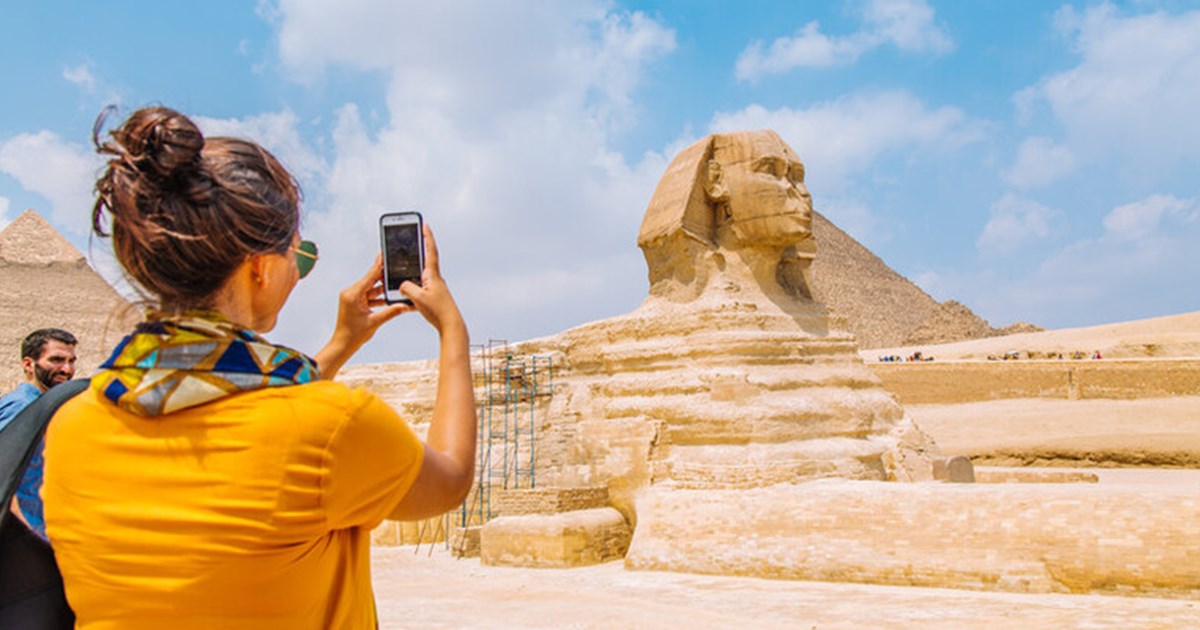
Egypt has always been a visual masterpiece. As we step into 2026, the land of the Pharaohs remains one of the most photographed places on Earth. However, capturing the perfect shot of the Great Pyramids or the vibrant markets of Cairo requires more than just a good eye; it requires knowledge of the latest Photography permits for tourists in Egypt 2026. Whether you are an influencer, a professional filmmaker, or a hobbyist with a smartphone, understanding the rules is essential for a smooth journey.

In recent years, the Egyptian Ministry of Tourism and Antiquities has significantly relaxed photography laws to encourage visitors to share their experiences. This guide provides a comprehensive breakdown of where you can shoot for free, when you need a permit, and how to avoid legal complications while exploring with Nile Empire.
New Regulations for Photography in Egypt 2026
As of 2026, the Egyptian government has solidified its stance on “Personal Photography.” For the vast majority of tourists, the news is excellent. Personal photography using mobile phones, tablets, and traditional digital cameras (DSLR and Mirrorless) is now free of charge in all public spaces and archaeological sites. This policy is part of Egypt’s digital transformation to promote the country as one of the top most popular destinations in the world.
However, “Professional Photography” – defined by the use of external flash units, tripods, umbrellas, or filming for commercial purposes – still requires prior authorization. If you are planning a high-end shoot, it is recommended to work with the best travel agency in Egypt to secure these permits in advance.
Photography at the Giza Pyramids and Sphinx
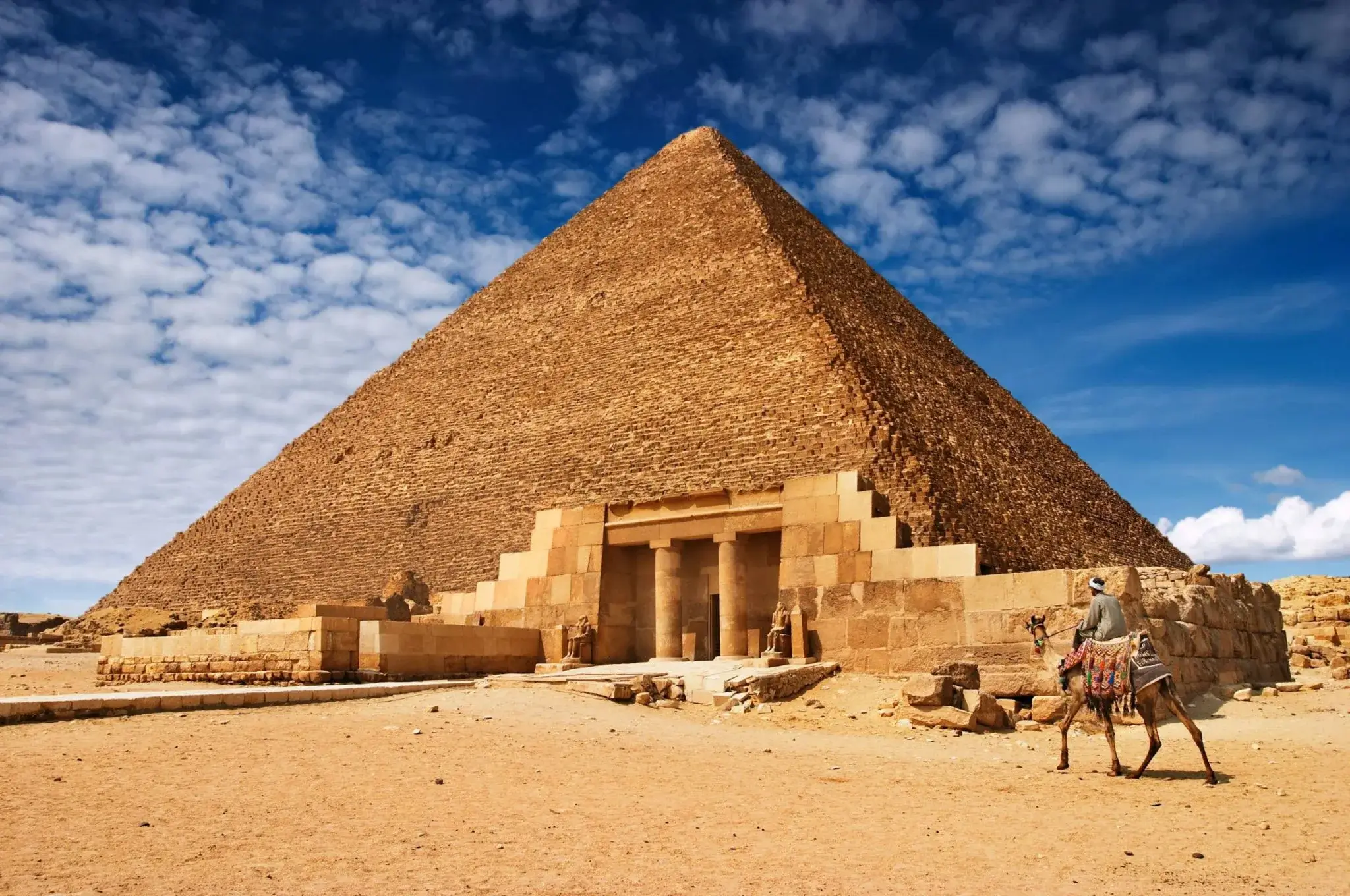
The Giza Plateau is the crown jewel of Egyptian tourism. In 2026, you can take as many photos as you like with your handheld camera or phone without paying extra fees. To capture the full essence of the region, booking a day tour to the Giza Pyramids, Saqqara, and Memphis is a great way to have a guide assist you with the best angles and historical context while ensuring you stay within permitted zones. This is especially helpful for solo travelers who want to navigate these iconic sites safely and efficiently.
Pro Tip: While personal photos are free, Drones are strictly prohibited at the Pyramids and across Egypt without a high-level permit from the Ministry of Defense. Attempting to fly a drone without a permit can lead to confiscation and legal action.
The Grand Egyptian Museum (GEM): A Photographer’s Paradise
The Grand Egyptian Museum (GEM) has opened a new era for Egypt’s antiquities. Inside, the architecture itself is a marvel. Most areas allow photography, but certain high-security galleries housing the Tutankhamun collection may have restricted zones to protect the artifacts from light damage. If you are wondering what to see and expect inside the GEM, photography of the Grand Staircase and the Hanging Sphinx is a must.
You can book a specific Grand Egyptian Museum & Giza Pyramids tour to maximize your photographic opportunities with professional lighting tips from local experts.

Photography Permits in Luxor and Aswan
Luxor is often called the world’s greatest open-air museum. When you explore the Valley of the Kings, photography inside most tombs is now allowed with a smartphone for free. However, for the most famous tombs, such as King Tut or Seti I, you might still need a special ticket. To stay updated on costs, refer to our guide on Egypt attractions entrance fees.
In Aswan, the Nubian Village offers a burst of color. The locals are generally friendly toward photographers, but it is polite to ask permission before taking close-up portraits. A Nubian villages tour in Aswan is highly recommended for those looking to capture “human interest” shots.

Capturing the Nile: Cruises and Sunsets
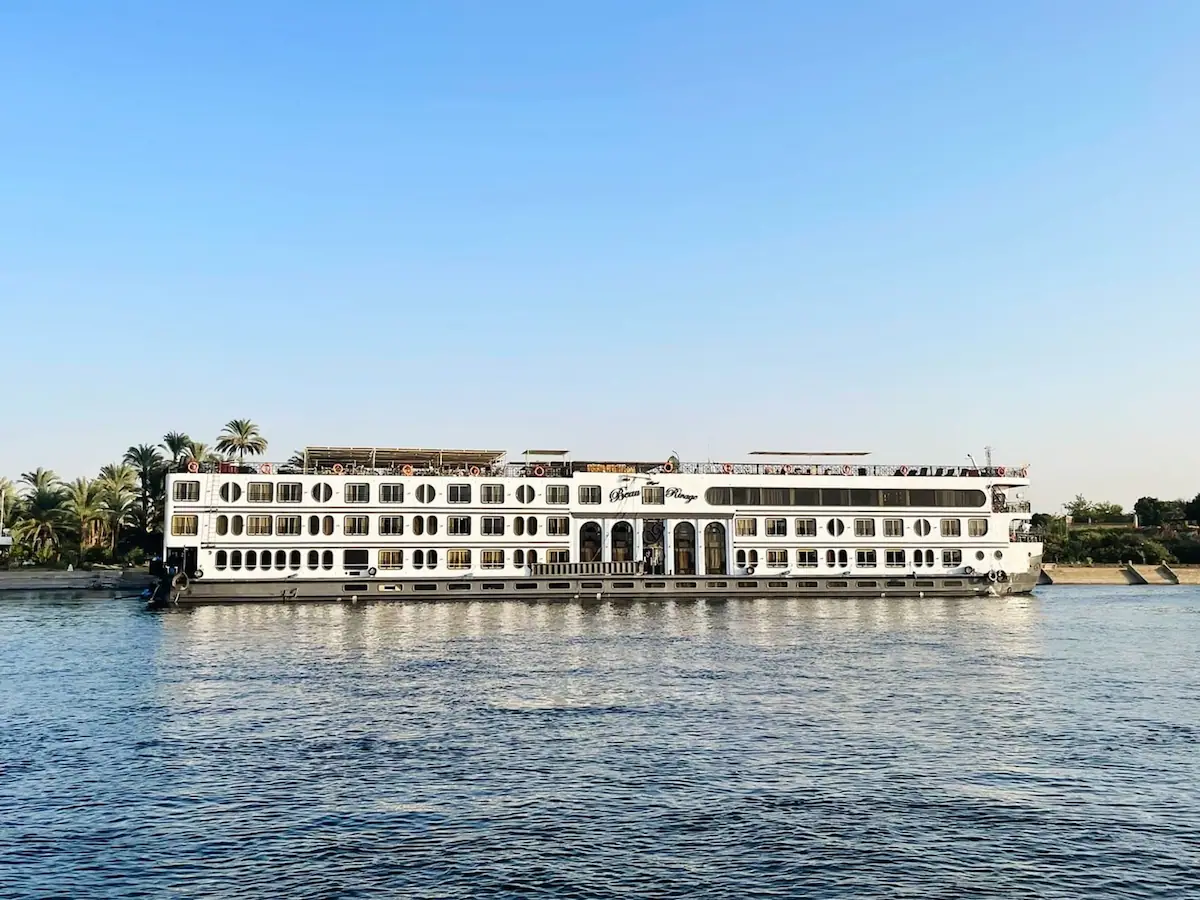
There is no better way to capture the soul of the country than from the deck of a ship. Captivating sunsets and sunrises on Nile cruises provide soft, natural light that every photographer dreams of. Whether you take an Aswan to Luxor Nile cruise or a longer journey, the changing landscapes offer endless inspiration.
Street Photography and Cultural Etiquette
Cairo’s streets are alive with energy. From the modern face of Cairo’s contemporary districts to the historic El Moez Street and Khan el-Khalili, there is a lot to see. However, street photography comes with responsibilities:
- Government Buildings: Never photograph police stations, military installations, or sensitive infrastructure.
- Asking Permission: It is culturally respectful to ask “Mouskin Soora?” (May I take a photo?).
- Tipping: Sometimes people expect a small tip for being photographed. Learn how much to tip in Egypt to handle these situations gracefully.
For a deeper dive into the culture you are capturing, read about the Ancient Egypt civilization and its modern descendants.

Logistics for the Traveling Photographer
Planning your trip involves more than just packing lenses. You need to ensure your legal entry. Most tourists can easily apply for an Egypt e-visa via the official e-visa portal. Once you arrive, you might choose to travel between cities via the Egypt sleeper trains, which offer a unique perspective of the Egyptian countryside at dawn.
If you prefer a stress-free experience with all permits handled, consider our luxury Egypt travel packages or private tours in Egypt tailored for photography enthusiasts.
Photography in Other Regions
Don’t limit yourself to Cairo and Luxor. The ruins of Ancient Alexandria provide a Mediterranean backdrop, while the Siwa Oasis offers some of the most surreal desert landscapes. For those seeking adventure, the Bahariya Oasis safari is perfect for astrophotography.

Prohibited Items and Security Measures
While Photography permits for tourists in Egypt 2026 are more accessible, security remains high. Egypt is one of the safest travel destinations, but rules are strictly enforced:
- Drone Laws: As mentioned, drones are illegal without defense permits.
- Telephoto Lenses: Extremely large lenses may sometimes be questioned at airports or site entrances; keep your professional permits handy.
- Tripods: Using a tripod in a busy museum or site usually requires an extra fee or is banned for personal use to prevent crowd obstruction.
Summary of Photography Permits for 2026
Photography Permits & Costs
| Type of Photography | Permit Needed? | Approximate Cost |
|---|---|---|
| Smartphone/Personal Camera | No | Free |
| Professional (Tripod/Umbrella) | Yes | Varies by site |
| Commercial Filming | Yes (Prior Approval) | Daily fee applies |
| Drone Photography | Strictly Prohibited | N/A (Restricted) |
(Swipe table left/right to see details)
Conclusion
Photography in Egypt is a rewarding challenge. In 2026, the barriers are lower than ever, allowing you to document your journey through Ancient Egypt’s history with ease. By respecting local laws, securing the right Photography permits for tourists in Egypt 2026 for professional work, and booking with a trusted agency like Nile Empire, your visual story of Egypt will be nothing short of legendary.

Frequently Asked Questions (FAQ)
1. Do I need a permit for my DSLR camera in Egypt in 2026?
No, personal photography with a DSLR or mirrorless camera is free at all archaeological sites and museums as long as you do not use professional gear like tripods or external lighting.
2. Are drones allowed for tourists in Egypt?
No, drones are strictly prohibited for tourists. Bringing one into the country without a military permit can lead to its confiscation at the airport.
3. Can I take photos inside the Valley of the Kings tombs?
Yes, phone photography is generally free in most tombs. However, some special tombs like Nefertari’s require a separate ticket and may have stricter rules.
4. Is flash photography allowed in museums?
Generally, flash is banned inside museums and tombs to protect ancient artifacts from light damage. Always look for the “No Flash” signs.
5. How can I get a professional filming permit?
Professional permits must be requested through the Ministry of Tourism and Antiquities. It is best to have your travel agency handle the paperwork at least 4 weeks in advance.
6. What is the best time of day for photography in Egypt?
The “Golden Hour” (one hour after sunrise and one hour before sunset) provides the best light. Check the best time to visit Egypt to plan your seasonal shoots.
